Operational Synergy: Tuning the Machine to the Self-Cleaning Screen
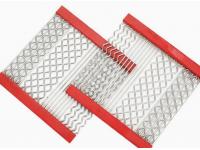
A self-cleaning screen cannot work in isolation; the vibrating screen itself must be tuned to activate the cleaning mechanism.
Design Features that Enhance Ease of Use for Lightweight Polyurethane Screen Panels
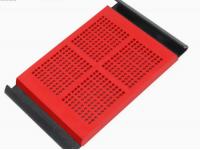
Replacing heavy, cumbersome screen panels is often a labor-intensive and time-consuming task, requiring multiple personnel and specialized equipment. Lightweight polyurethane panels are engineered t
The core components of the rapid screen changing system
The new panel is then positioned, and the tensioning system of polyurethane tensioned panel is engaged sequentially to apply even, repeatable tension across the full width.
Why Torque Standards Matter for Self-Cleaning Screens
The advanced vibration technology of a self-cleaning screen is only as reliable as its installation. A poorly tensioned screen deck will fail prematurely, regardless of its self-cleaning capabilities.
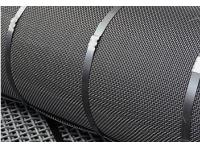
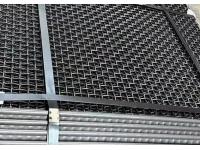
The Ideal Woven Wire Mesh: A Dual-Performance Solution
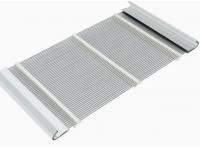
Screening compound fertilizer puts woven wire mesh through its paces. Unlike plain rocks or sand, fertilizer granules soak up water from the air, chew through metal, and stick to just about anything.
Anti-sticking Requirements for Woven Mesh Used in Compound Fertilizer Granules Screening
Honestly, sticking is not your only enemy—corrosion is even nastier. Some salts will eat right through regular carbon steel, especially when things get humid.
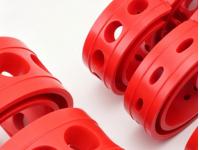
Early Warning Signs That a Spring Is Failing
Failure warning signals for rubber buffer springs are often subtle but consistent. The most obvious is a change in the screen's sound or vibration pattern.
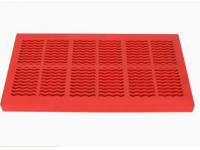
The Bounce Factor: How Polyurethane Screen Beats Static Screens
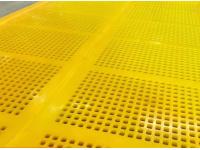
Anti-clogging polyurethane screen panels work differently than metal or rubber. The material flexes under vibration.
Surprising Health Benefits of This Ancient Forest Superfood
Golden Dust of Spring: Hormone, Energy & Libido Support
Copyright:@2020-2021