
Non-woven fabrics are composed of long fibers bonded through physical or chemical methods. They are strong, durable, and have diverse applications. These fabrics can be made from materials like paper, cloth, or plastic.
The three main types of non woven fabric are spunbond, meltblown, and thermal bonded. Each type has its unique properties and uses. Spunbond non-woven fabrics are made from Polypropylene (PP) and are used in a wide range of applications, including medical disposables, filters, and more.
Meltblown non-woven fabrics, made from Polyethylene (PE), are used in applications such as HEPA filters and battery separators. Thermal-bonded non-woven fabrics, made from materials like Polyester (PET), Polypropylene (PP), and Polyethylene (PE), are used in auto upholstery, carpet backing, and similar applications.
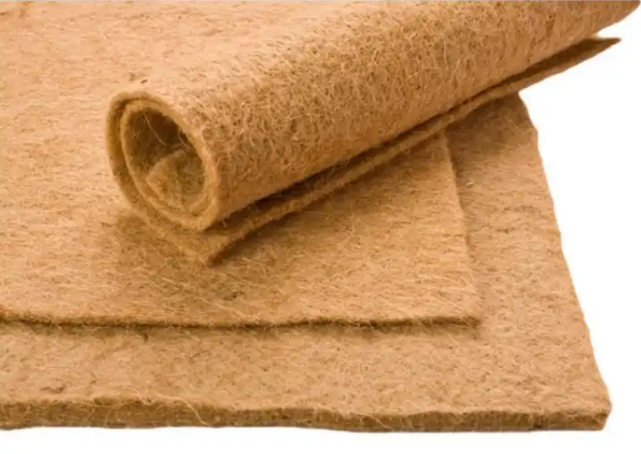
Spunbond non-woven fabric is made by spinning polypropylene filaments (8-14 microns in diameter and 20-30 mm in length) into a continuous web. The material is then heat-treated, cooled, and stretched to enhance its strength and properties, including resistance to water, chemicals, oils, and acids. It is lightweight, breathable, and non-allergenic.
Spunbond non-woven fabrics are widely used in medical disposables, filters, and protective clothing, such as the lining of medical face masks. They are also used in car seat covers, liners, storage bags, and more due to their strength and durability.
Meltblown non-woven fabric, made from polyethylene (PE), is widely used in applications such as HEPA filters and battery separators due to its high filtration efficiency. It is lightweight and flexible, making it suitable for products like face masks. This fabric is also used in medical disposables, including bandages and wound dressings.
Meltblown fabric can undergo various treatments to modify its properties, such as UV and flame treatments. It can be made hydrophobic or oleophobic for water or oil repellence and treated with antistatic agents to ensure electrical non-conductivity, which is essential for applications like HEPA filters.
Polypropylene non-woven fabric, made from PP, is versatile and widely used in applications such as bags and liners. Its strength and durability make it suitable for the inner and outer layers of products like car seat covers and mattress covers. It is also food-safe, commonly used in reusable grocery bags, and is a key material in disposable wipes and diapers.
This lightweight, breathable, and non-allergenic fabric can be treated for water and oil repellence or made flame retardant, making it ideal for automotive upholstery, carpet backing, and other applications requiring fire safety.
Non-woven fabrics come in various materials and types, each with unique properties and applications. The three main types are spunbond, meltblown, and thermal-bonded. Spunbond non-woven fabric, made from polypropylene, is ideal for medical disposables and filters. Meltblown non-woven fabric, made from polyethylene, is used in HEPA filters and battery separators. Polypropylene non-woven fabric is commonly used in products like reusable grocery bags and bandages. Each type offers distinct properties suited to a wide range of applications.
Next: None.
Copyright:@2020-2021

Comments Please sign in or sign up to post.
0
0 of 500 characters used