
When using electric lifting scaffolding, following safety regulations is crucial. These rules help protect workers and ensure efficient operations. Electric lifting scaffolding is a powerful tool, but it requires careful handling. Understanding these safety guidelines can prevent accidents and injuries on the job site.
One important regulation involves load capacity limits. Each electric lifting scaffolding has a maximum weight it can support. Always check the manufacturer’s specifications. Overloading the scaffolding can lead to structural failure. Workers must be aware of the weight of materials and equipment being lifted. This ensures safety and prevents accidents.
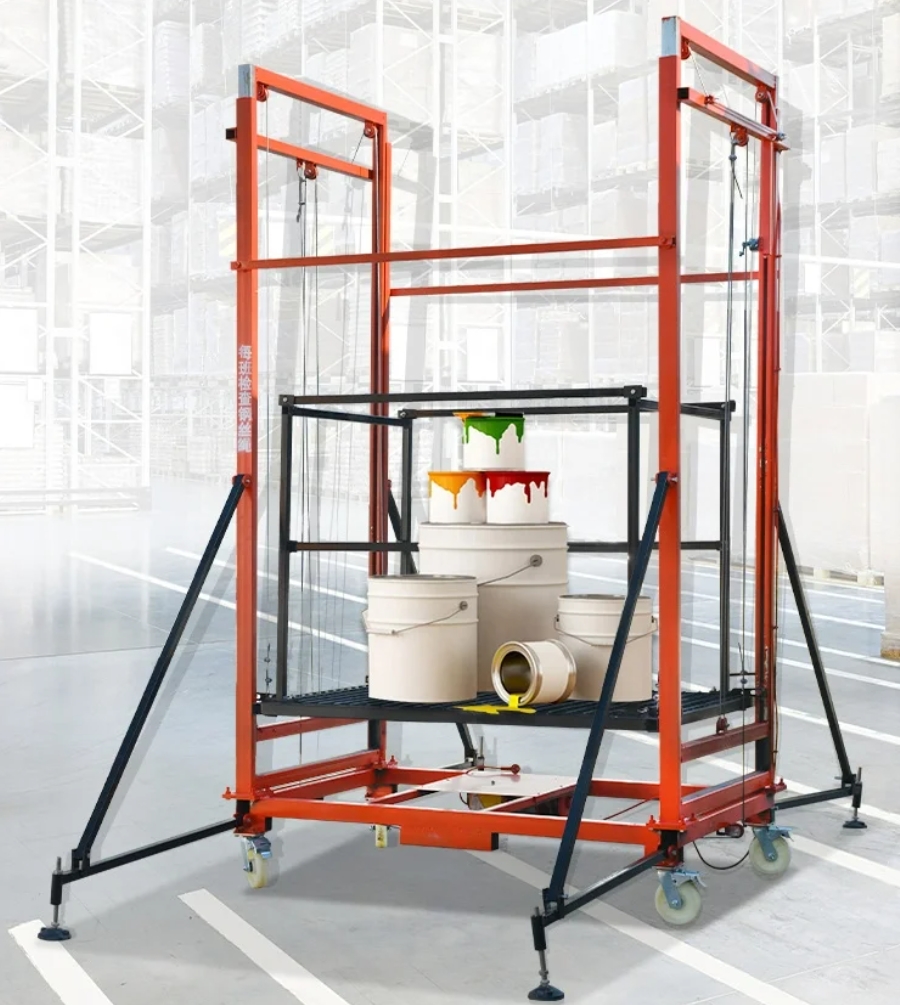
Another vital regulation is the proper setup of the scaffolding. Ensure the scaffolding is placed on a stable, level surface. Use base plates or outriggers to enhance stability. Inspect the area for any hazards, such as holes or uneven ground. Properly securing the scaffolding prevents tipping and accidents.
Regular inspections are essential for safe operation. Before each use, check the scaffolding for any signs of wear or damage. Inspect the electrical components for functionality. A daily check can identify potential issues early. This practice helps maintain safety and efficiency.
| Regulation | Description |
|---|---|
| Load Capacity Limits | Follow the maximum weight specified by the manufacturer |
| Proper Setup Procedures | Ensure the scaffolding is on a stable surface and secured |
| Regular Inspections | Conduct daily checks for wear and damage |
| Electrical Safety | Use GFCIs and ensure secure connections |
| Personal Protective Equipment | Require helmets, harnesses, and non-slip footwear |
Electrical safety is another critical aspect. Ensure all electrical connections are secure and protected from moisture. Use ground fault circuit interrupters (GFCIs) to prevent electrical shocks. Workers should be trained on electrical safety measures. This includes knowing how to handle equipment properly.
Personal protective equipment is necessary when using electric lifting scaffolding. Workers should wear helmets, safety harnesses, and non-slip footwear. Proper PPE reduces the risk of injuries from falls or accidents. It is essential to enforce the use of safety gear on the job site.
Training and certification are vital for operators of electric lifting scaffolding. All workers should receive proper training on how to use the equipment safely. This training should cover emergency procedures and safety protocols. Ensuring that operators are knowledgeable increases workplace safety.
In conclusion, adhering to common safety regulations is essential when using electric lifting scaffolding. Understanding load capacity, proper setup, and regular inspections can prevent accidents. Additionally, electrical safety and personal protective equipment are crucial for worker safety. Investing in training and certification enhances operational safety. By following these guidelines, you can ensure a safer work environment while considering the electric lifting scaffolding price and its value in your operations.
Copyright:@2020-2021

Comments Please sign in or sign up to post.
0
0 of 500 characters used