
Choosing the right mattress cover is not just about aesthetics—it's about enhancing the longevity of your mattress, maintaining hygiene, and ensuring a more restful sleep. A mattress cover acts as the first line of defense against allergens, spills, and general wear and tear. Here's how to ensure you select the perfect one for your specific needs.
Before we dive into the selection criteria, let’s understand the primary functions of a mattress cover:
Protection: Shields against dust mites, allergens, sweat, stains, and bed bugs.
Comfort Enhancement: Adds a layer of softness or firmness to your mattress.
Temperature Regulation: Some covers offer cooling or heating properties.
Hygiene and Washability: A removable cover allows easy cleaning and promotes a cleaner sleep environment.
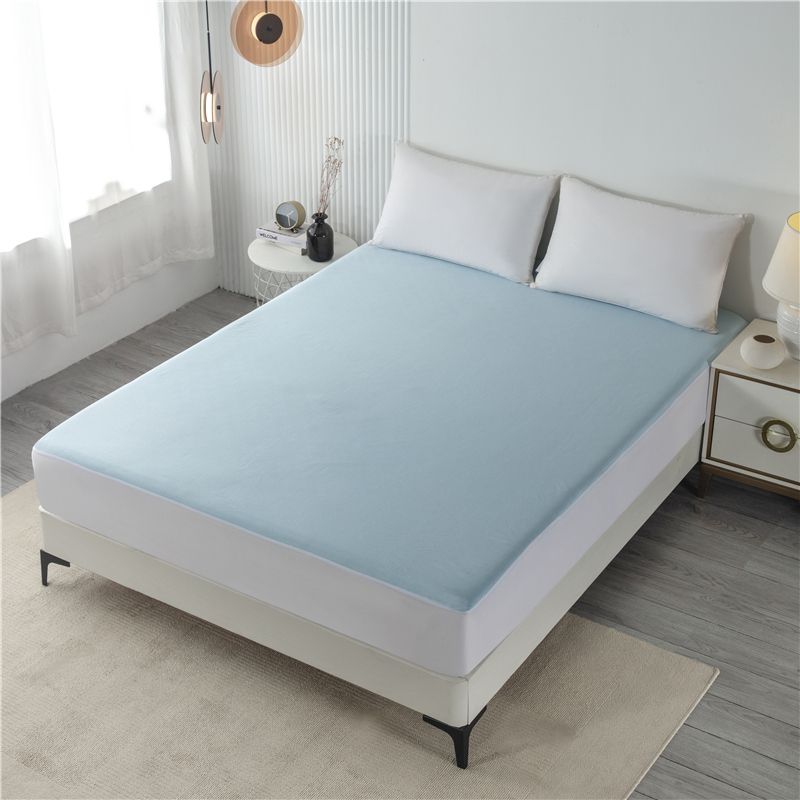
Not all mattress covers are created equal. Here are the main types and their defining features:
Ideal for families with kids or anyone prone to spills or accidents. These are essential for mattress longevity, preventing any liquid damage to the internal layers.
Best For:
Bedwetting children
Elderly individuals
People who eat or drink in bed
Designed to protect against dust mites, mold, and allergens, these covers are often made with tightly woven materials that block microscopic irritants.
Best For:
Allergy sufferers
Asthma patients
People with sensitive skin
Constructed with breathable, moisture-wicking fabrics such as bamboo or cotton blends, these covers help maintain optimal body temperature during sleep.
Best For:
Hot sleepers
Those living in warmer climates
Thicker than standard covers, quilted options provide additional padding and comfort, often mimicking a pillow-top feel.
Best For:
Mattresses that feel too firm
Users seeking a plush, hotel-like sleep experience
Fully encase the mattress for maximum protection against bed bugs and allergens. Usually zippered on all sides for a secure fit.
Best For:
Rental properties
Hostels and hotels
Urban living areas with higher pest risks
Ensure the cover matches your mattress dimensions (Twin, Full, Queen, King, etc.), and more importantly, its depth. Standard covers may not fit pillow-top or hybrid mattresses. Always measure your mattress height before purchasing.
Pro Tip: Look for "deep pocket" covers for mattresses over 12 inches thick.
The material determines comfort, breathability, and durability. Common options include:
Cotton: Soft, breathable, hypoallergenic
Polyester: Durable, wrinkle-resistant, often used in blends
Bamboo: Naturally cooling, eco-friendly
Tencel: Sustainable, silky soft, excellent moisture management
Vinyl/TPU: Waterproof but can be noisy if not layered with soft fabric
Avoid covers that crinkle or produce sound when you move. Noise-free construction is especially important for light sleepers. Opt for quilted or padded options that muffle sound while providing comfort.
A mattress cover should allow air to circulate to prevent heat buildup. Materials like cotton and bamboo are breathable, while waterproof versions should have a membrane that blocks liquids but permits air flow.
Machine-washable covers are the gold standard. Ensure the label confirms easy-care instructions such as:
Cold water washing
Tumble dry low
No bleach
A washable cover prolongs both your mattress and the cover's lifespan.
Look for certifications such as OEKO-TEX or GREENGUARD, which ensure the product is free from harmful chemicals. This is crucial for families with babies or individuals with chemical sensitivities.
Though often used interchangeably, there is a key distinction:
Mattress Protector: Prioritizes protection, often waterproof and hypoallergenic.
Mattress Cover: May include both protective and comfort-enhancing features like padding or cooling layers.
If you're unsure which one to choose, determine whether protection or comfort is your top priority—or find a product that offers both.
When it comes to quality and durability, here are a few top-rated options:
SafeRest Premium Hypoallergenic Waterproof Mattress Protector – Great for families and allergy sufferers.
Linenspa Zippered Encasement Mattress Protector – Best for full protection including bed bugs.
Luna Premium Cooling Mattress Cover – Excellent for hot sleepers.
PlushDeluxe Organic Cotton Cover – Ideal for eco-conscious shoppers.
Choose a brand with positive reviews, long-term warranties, and clear return policies.
Prices vary depending on materials and features:
Basic covers: $20–$40
Waterproof/hypoallergenic: $40–$70
Luxury or organic covers: $70–$150+
While it's tempting to go for cheaper options, investing in a high-quality cover can extend the life of your mattress by years, saving you money in the long run.
✅ Does it fit your mattress size and depth?
✅ Is it breathable and comfortable?
✅ Does it offer the level of protection you need?
✅ Is it easy to clean?
✅ Does it carry trusted certifications?
✅ Are customer reviews generally positive?
If all boxes are ticked, you're well on your way to a healthier, cleaner, and more comfortable sleep.
Choosing the right mattress cover is a small investment that brings significant returns in comfort, cleanliness, and mattress durability. By understanding your needs—whether it's waterproofing, allergen control, cooling, or added cushioning—you can select a cover that enhances both your sleep and your mattress’s longevity.
Previous: Custom Flags Manufacturer, Premium Custom Flag Printing Services
Next: None.
Copyright:@2020-2021

Comments Please sign in or sign up to post.
0
0 of 500 characters used