
In an increasingly connected world, the need to protect ourselves, our devices, and our sensitive data from electromagnetic interference and unauthorized scans has never been more critical. Shielding and blocking fabrics—engineered with conductive fibers capable of attenuating or reflecting electromagnetic waves—offer versatile solutions across consumer, industrial, and medical applications. This article explores four key categories of these performance textiles: EMF shielding fabric, anti-radiation fabric, RFID blocking fabric, and RF shielding fabric.
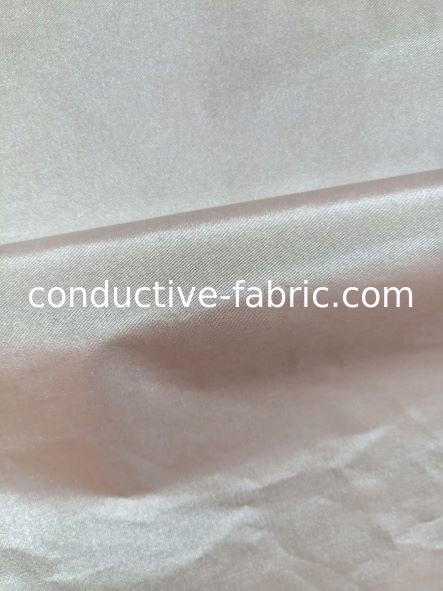
Electromagnetic Field (EMF) shielding fabric is specifically designed to protect against the broad spectrum of electromagnetic radiation emitted by power lines, mobile devices, routers, and other electronics.
Materials & Construction
Conductive fibers such as silver-plated nylon, copper-infused polyester, or stainless-steel blends
Knitted or woven structures to maintain flexibility, breathability, and drapeability
Key Benefits
Reduces exposure to low-frequency (ELF) and high-frequency (RF) EMF
Maintains fabric softness and durability for apparel and home textiles
Washable for long-term use
Typical Applications
Protective clothing and undergarments for EMF-sensitive individuals
Curtains, window screens, and tent linings to create “quiet zones” in homes and offices
Enclosures for electronic equipment, medical devices, and laboratory spaces
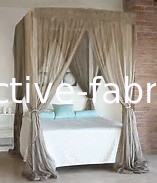
Anti-radiation fabric overlaps with EMF shielding textiles but is often marketed toward general “radiation protection,” including both electromagnetic and ionizing radiation shielding.
Material Variations
Silver or copper coated textiles for non-ionizing EMF
Metal-foil laminates (e.g., aluminum or stainless steel foils sandwiched in fabric layers) for enhanced barrier performance
Core Advantages
Broader spectrum attenuation, potentially including X-rays and gamma rays when laminated with dense metal foils
High tensile strength and tear resistance for industrial or medical shielding curtains
Customizable in multilayer composites for capsule or enclosure applications
Use Cases
Protective aprons and lab coats for radiology departments
Wall and ceiling panels in radiotherapy rooms
Consumer garments and bedding marketed to EMP enthusiasts
Radio Frequency Identification (RFID) blocking fabric specifically targets the prevention of unauthorized reading of RFID chips embedded in passports, credit cards, ID badges, and access cards.
Shielding Mechanism
Conductive fibers create a Faraday cage effect around RFID antennas
Blocks common RFID frequencies (125 kHz, 13.56 MHz, and UHF 860–960 MHz)
Standout Features
Lightweight and ultra-thin, enabling integration into wallets, passport covers, and bags
Durable through repeated flexing and laundering
Available in rolls, sheets, and customizable cut-to-size pieces
Practical Applications
Travel accessories: wallets, passport holders, ticket sleeves
Fashion and accessories: jackets, purses, hats with embedded blocking lining
Industrial ID management: badge holders for secure facilities
Radio Frequency (RF) shielding fabric is engineered to attenuate or reflect radio waves across a specified frequency range, from VHF/UHF television bands up to microwave and millimeter-wave frequencies.
Common Fabric Types
Stainless steel® woven mesh fabrics for broad-band RF shielding
Copper-nylon blends for targeted attenuation at specific frequencies (e.g., Wi-Fi at 2.4 GHz and 5 GHz)
Advantages & Performance Metrics
High shielding effectiveness (SE) ratings, often exceeding 60 dB—meaning over 99.9999% signal reduction
Flexibility and conformability for complex shapes and enclosures
Often supplied with grounding options to safely dissipate intercepted energy
Typical Uses
EMI/RFI gaskets and seals in aerospace, telecommunications, and defense equipment
Shielded rooms and enclosures for EMC testing labs
Protective covers and drapes for antennas and radar installations
When selecting between EMF, anti-radiation, RFID blocking, and RF shielding fabrics, consider the following factors:
Frequency Range & Shielding Effectiveness (SE):
Match the fabric’s tested SE to the frequencies you need to block.
Form Factor & Flexibility:
Apparel and soft furnishings require knitted or woven textiles, while rigid foil laminates suit panel applications.
Durability & Maintenance:
Ensure the fabric withstands laundering, UV exposure, or chemical cleaning if used in demanding environments.
Customization & Integration:
Look for suppliers offering roll goods, die-cut shapes, or laminated composites tuned to your project specifications.
Conductive-fiber fabrics offer versatile solutions to modern challenges of electromagnetic exposure, data privacy, and signal interference. Whether you’re designing protective garments, travel accessories, secure enclosures, or industrial shielding, the right choice among EMF shielding, anti-radiation, RFID blocking, and RF shielding fabrics will deliver both performance and practicality. Explore specialized products at Conductive-Fabric.com to find tailored options that balance shielding effectiveness, comfort, and durability.
For samples, technical datasheets, and custom fabric runs, visit Conductive-Fabric.com.
Copyright:@2020-2021

Comments Please sign in or sign up to post.
0
0 of 500 characters used