
In agricultural practices, efficient water usage stands as a pressing concern for many farmers, particularly in regions susceptible to drought. A method that has gained recognition for its effectiveness is the use of pressure compensating drip tape. This innovative irrigation solution not only enhances water efficiency but also promotes healthier crop growth. Industry experts emphasize its benefits, shedding light on how it can transform irrigation practices.
If you want to learn more, please visit our website Pressure Compensating Drip Tape.
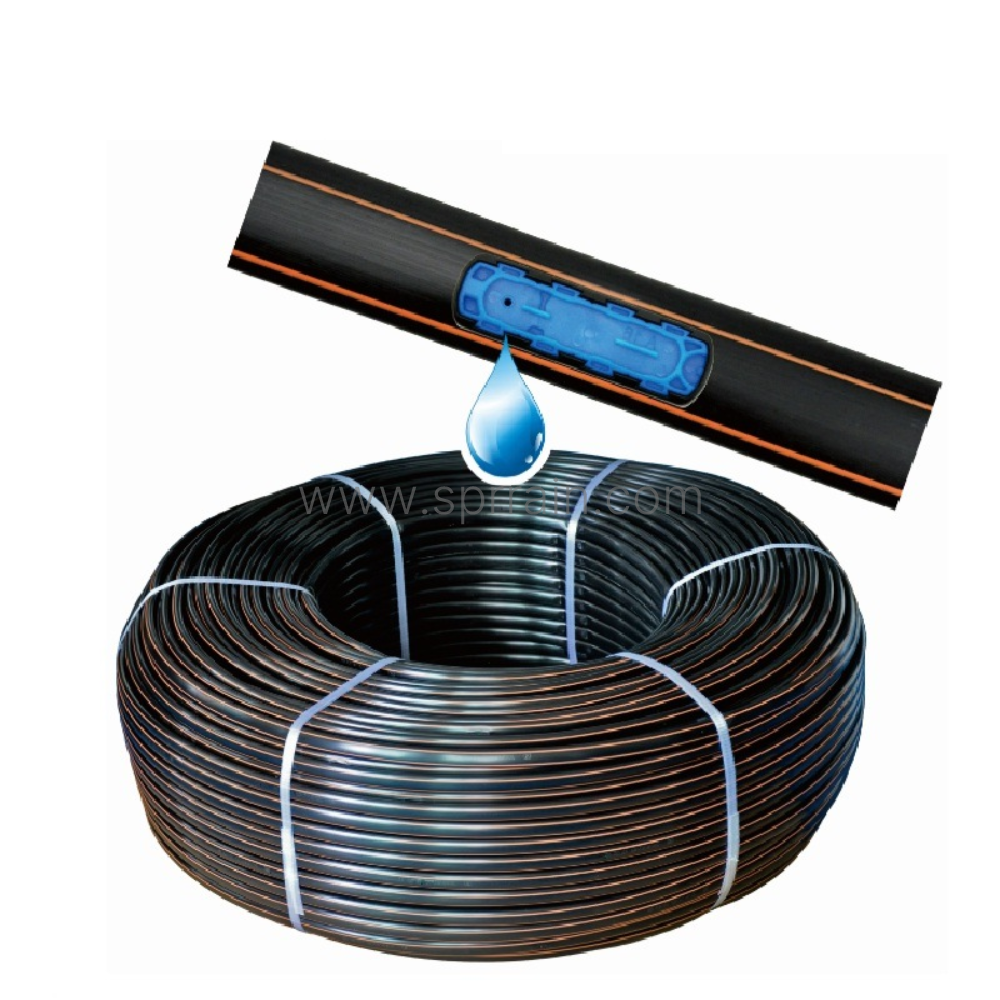
Pressure compensating drip tape is designed to deliver a uniform flow of water, regardless of variations in elevation and pressure. Unlike traditional drip irrigation systems, which may lead to uneven watering, the pressure compensating feature ensures that each emitter releases water consistently. This unique ability is crucial for optimizing water utilization across fields.
According to Dr. Sarah Jenkins, an agronomist with over 15 years of experience in irrigation technology, “One of the standout benefits of pressure compensating drip tape is its efficiency in water usage. By maintaining consistent pressure throughout, it minimizes water wastage and ensures that every plant receives the precise amount of moisture it requires.” This capability not only conserves water but also reduces the frequency of irrigation cycles.
John Parker, a seasoned agronomist and consultant, highlights the impact of pressure compensating drip tape on crop yields. “With uniform water distribution, crops receive nutrients more effectively. Healthier plants lead to improved yields, making this technology a worthwhile investment for growers.” This can be particularly beneficial for high-value crops that demand consistent moisture levels for optimal growth.
In addition to water conservation and increased yields, pressure compensating drip tape can save labor costs. As stated by Clara Thompson, a farm management expert, “Once the system is installed, it significantly reduces the need for manual watering and adjustments. Farmers can redirect their labor to other critical tasks, ultimately increasing operational efficiency.” This aspect of convenience cannot be overstated in fast-paced agricultural environments.
Mike Romero, a soil scientist, notes that pressure compensating drip tape is particularly adaptable across different soil types. “What’s remarkable about this system is that it caters to the varying water retention capabilities of different soils. Whether a farmer is working with sandy or clay soils, pressure compensating drip tape provides a tailored solution that meets the specific needs of the crops being grown.”
Lastly, the environmental benefits of pressure compensating drip tape are noteworthy. Water conservation means reducing the strain on local water sources, which is particularly critical in areas facing water scarcity. Additionally, by promoting healthier crop growth, farmers can contribute positively to local ecosystems. Jane Miller, an environmental scientist, states, “Adopting efficient irrigation practices, such as using pressure compensating drip tape, feeds into broader sustainability goals that are essential for our planet's health.”
Adopting pressure compensating drip tape for irrigation presents a wealth of advantages that extend beyond typical watering practices. With improved water efficiency, enhanced crop yields, labor savings, and adaptable features, this irrigation technology stands out as a reliable choice for modern farming. As experts continue to advocate for its use, it becomes increasingly clear that pressure compensating drip tape is not just a trend, but a significant advancement in sustainable agriculture.
For more information, please visit Lfsprrain.
Previous: what are the benefits of UHMWPE sheet
Copyright:@2020-2021

Comments Please sign in or sign up to post.
0
0 of 500 characters used