
In any filtration system, the feed pump plays a critical role. It drives the slurry into the filter press, allowing the filtration cycle to begin. Whether you're using an oil filter press or a chamber-style press, the feed pump must match the machine’s capacity.
The feed pump delivers slurry to the press under controlled pressure. At the start, the pump runs at high speed to fill the chambers quickly. Once filled, pressure builds gradually to squeeze out liquids. In systems like the oil filter press, this step ensures maximum oil recovery and minimal residue.
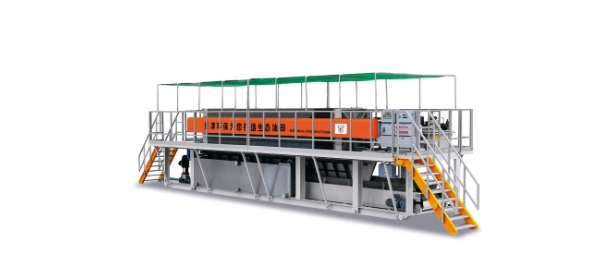
Several types of pumps can power a filter press:
Centrifugal pumps offer fast flow but lower pressure.
Diaphragm pumps are ideal for high-pressure tasks.
Screw pumps handle viscous materials with ease.
Each type suits different materials and flow rates. For example, oil filtration often uses diaphragm pumps for their pressure stability.
In an oil filter press, the right feed pump ensures smooth and efficient operation. An underpowered pump reduces throughput. An oversized pump wastes energy. Matching the pump to your filter size and media makes a big difference in cost and quality.
The feed pump is essential to any filter press system. It controls flow, builds pressure, and protects your equipment. Whether working with an oil filter press or another setup, choose a pump that balances speed, pressure, and material compatibility. Knowing your feed pump means better results and longer machine life.
Previous: HM-GX Series Small Format Ultra-Fast Fiber Cutting Machine
Next: Why Is a Large Format Fiber Laser Cutting Machine the Best Choice for Industrial Manufacturing?
Copyright:@2020-2021

Comments Please sign in or sign up to post.
0
0 of 500 characters used