
Achieving the ideal texture in snacks is critical for consumer satisfaction. The crunch of a potato chip, the crisp snap of a cracker, or the satisfying bite of a pretzel can define a snack's success. A food texture analyzer helps manufacturers measure these qualities objectively by quantifying the break force—the pressure needed to fracture a sample.
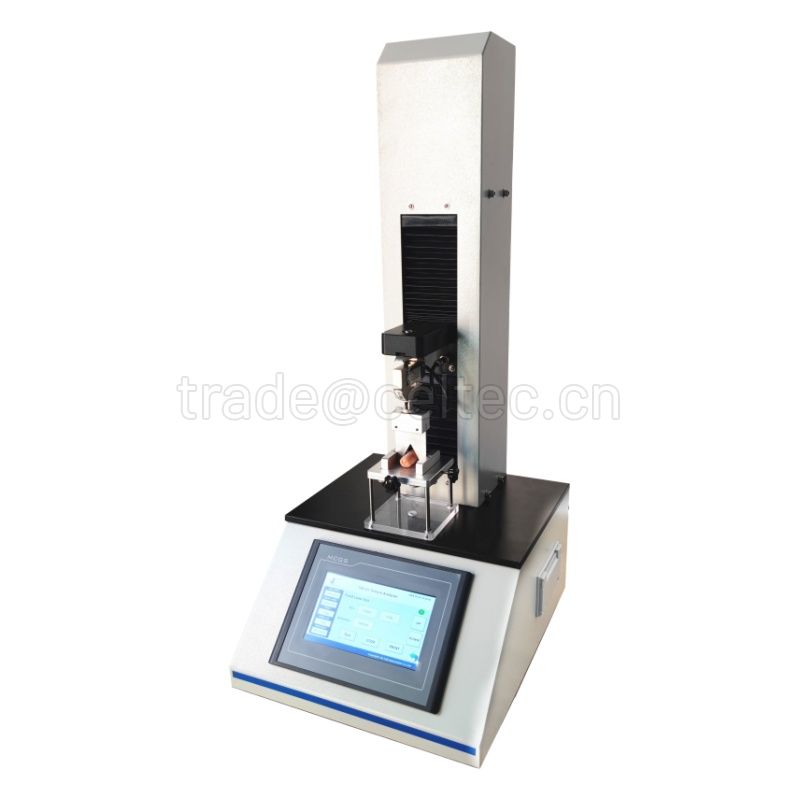
Different snacks require unique texture characteristics. A food texture analyzer evaluates these properties to ensure each product meets its desired texture profile. Below are detailed examples of how break force detection applies to various snacks:
Potato Chips:
Potato chips need a light, crisp texture that breaks easily under minimal pressure. Using a cylindrical support and a ball extrusion jig, the analyzer measures the force required to break the chip, ensuring consistent crispiness across batches.
Pretzels:
Pretzels have a firmer texture compared to chips. The analyzer tests their break force to balance crunchiness with chewability. Adjusting ingredients and baking times based on these results helps maintain quality.
Crackers:
Crackers require a delicate balance between brittleness and firmness. Break force detection ensures they snap cleanly without crumbling excessively, improving both handling and eating experience.
Tortilla Chips:
For tortilla chips, a food texture analyzer checks for a robust, crunchy texture that can withstand dips without breaking easily. Measuring break force ensures that chips are both durable and enjoyable.
Rice Cakes:
Rice cakes have a unique airy texture. The analyzer assesses the force needed to break them to achieve the perfect balance of lightness and structural integrity.
Manufacturers use break force data to fine-tune ingredients, processing techniques, and baking times. By standardizing texture, they can maintain product consistency and meet consumer expectations.
Quality Control: Regular testing helps detect deviations in texture, enabling quick adjustments.
Product Development: New recipes can be optimized for desired textures early in the development phase.
Cost Efficiency: By reducing waste and rework, manufacturers can save time and resources.
While sensory tests provide insights into consumer preferences, a food texture analyzer offers objective data. Together, they create a comprehensive approach to texture evaluation, ensuring snacks not only taste good but feel right, too.
In the competitive snack market, delivering products with the perfect texture is crucial. A food texture analyzer enables manufacturers to measure break force accurately, ensuring consistency and quality across various snack types, from chips to rice cakes. This data-driven approach helps maintain high standards and delight consumers with every bite.
Previous: 30fps vs. 60fps Camera Module: Differences & What's Better
Next: Optical Glass Mirrors: Precision and Clarity for High-Performance Applications
Copyright:@2020-2021

Comments Please sign in or sign up to post.
0
0 of 500 characters used