
A solar energy storage system transforms your solar installation from a daytime energy source to a 24/7 power solution. For regions with unreliable grids or high electricity costs, storage systems deliver continuous power, maximize solar investment, and provide critical backup during outages.
Maintain critical operations during outages with seamless backup power transition.
Store solar energy during the day and use it during peak rate periods for significant cost reduction.
Reduce reliance on unstable grids and eliminate expensive generator dependency.
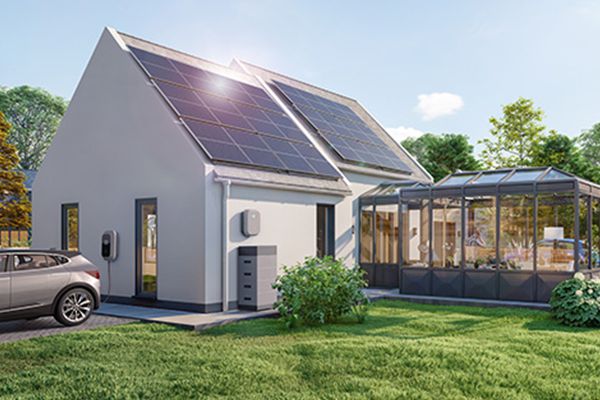
Understanding the different types of solar energy storage systems is crucial for selecting the right solution for your needs: The most popular solution offering high energy density and long lifespan: Lithium Iron Phosphate (LFP) - safest chemistry 10-15 year lifespan with minimal maintenance 90-95% round-trip efficiency Compact size and lightweight The traditional solution with lower upfront costs: Flooded and sealed (AGM/Gel) varieties 5-8 year typical lifespan 70-85% round-trip efficiency Well-established recycling infrastructure Emerging technology ideal for large-scale applications: Vanadium redox flow batteries 20+ year lifespan with deep cycling Unlimited cycle life with electrolyte replacement Excellent for long-duration storage Solid-State Batteries: Higher energy density and improved safety Thermal Storage: Storing energy as heat for later conversion Hydrogen Storage: Using excess solar to produce hydrogen fuel Mechanical Storage: Flywheels and compressed air systems Residential solar energy storage systems are specifically designed for home applications with these key features: Space-efficient units designed for garages, utility rooms, or outdoor installation with minimal footprint. Intuitive apps for monitoring energy usage, controlling systems remotely, and receiving maintenance alerts. Compatible with existing solar installations and grid connections with automatic switchover during outages. Protection for critical appliances during power outages 75%+ reduction in electricity bills through peak shaving Increased solar self-consumption from 30% to 80%+ Enhanced property value with energy independence Reduced carbon footprint with optimized energy use A 12kWh residential solar energy storage system in a region with frequent outages: Daily grid outages of 6-8 hours High cooling demand in tropical climate Critical medical equipment requiring continuous power "The storage system provided 24/7 power reliability, eliminating $220/month in generator fuel costs while ensuring vital medical devices remained operational." A 200kWh solar energy storage system for a manufacturing plant: High peak electricity rates ($0.35/kWh) 24-hour production requirements Frequent voltage fluctuations damaging equipment "The system reduced peak demand charges by 78% and provided seamless backup power during grid failures, with a payback period of just 3.8 years." Selecting the optimal solar energy storage system requires considering these key factors: Determine your daily energy needs and peak power requirements to size your system correctly. Account for temperature extremes that can impact battery performance and lifespan. Higher efficiency means less energy lost during charging and discharging cycles. Energy audit to determine consumption patterns Critical load analysis for backup requirements Solar production forecasting for optimal sizing Future expansion planning capabilities Compatibility with existing solar equipmentTypes of Solar Energy Storage Systems
Lithium-Ion (Li-ion) Systems
Lead-Acid Battery Systems
Flow Battery Systems
Emerging Storage Technologies
Residential Solar Energy Storage Systems
Compact Design
Smart Management
Seamless Integration
Key Benefits for Homeowners
Real-World Success Stories
Family Residence - Nigeria
Commercial Facility - Saudi Arabia
Choosing the Right Storage System
Capacity & Power
Climate Considerations
Round-Trip Efficiency
Professional System Design
Discover how the right storage solution can transform your solar investment.
Copyright:@2020-2021

Comments Please sign in or sign up to post.
0
0 of 500 characters used