
When considering the implementation of air management systems in industrial settings, one critical component to evaluate is the PP Air Damper. Selecting the right dampers can ensure efficiency, optimize airflow, and enhance energy savings.
For more information, please visit PP Damper.
PP dampers are made from polypropylene (PP), which offers durability and resistance to a wide range of chemicals and moisture. These characteristics make PP Air Dampers ideal for various applications, such as HVAC systems, ventilation, and dust collection in industrial processes.
When selecting PP dampers, consider the following features:
Material Quality: Ensure the dampers are made from high-grade polypropylene to withstand environmental challenges.
Size and Dimensions: Assess your installation space and choose dampers that fit well within the confines.
Sealing Efficiency: Look for dampers that provide an effective seal to minimize air leakage.
Control Mechanisms: Consider manual or automatic control options for better airflow management.
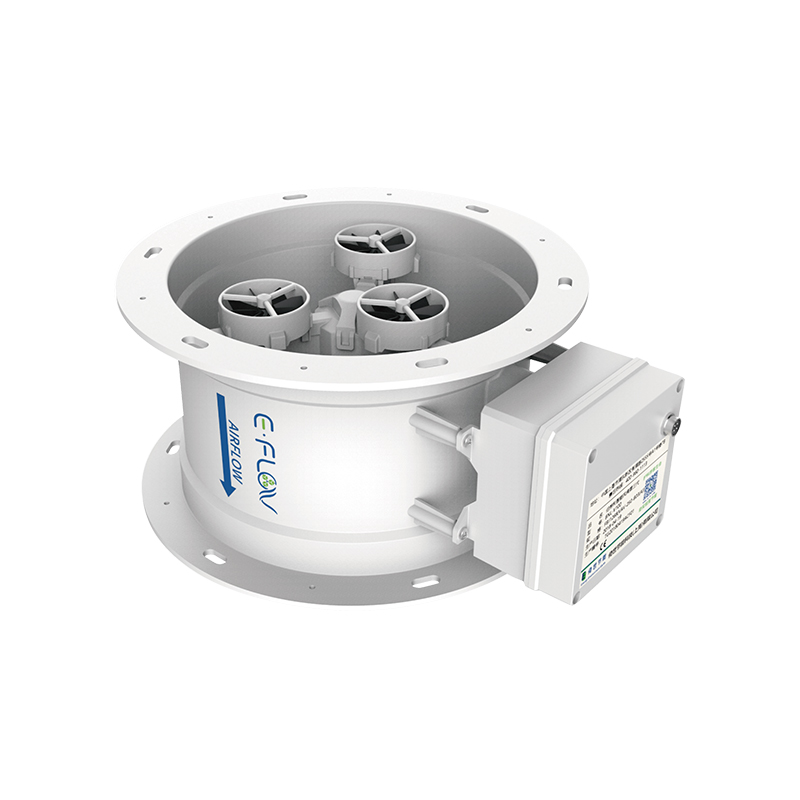
Understanding the application requirements will guide your selection of PP Air Dampers:
Temperature and Pressure Conditions: Ensure that the dampers can handle the specific conditions in your application.
Airflow Direction: Evaluate if the dampers can be installed for both positive and negative pressure systems.
Installation Environment: Determine if the damper will be used in a corrosive environment where the chemical resistance of PP is crucial.
Problem: Air Leakage
Solution: Ensure you chose dampers with excellent sealing properties and regularly inspect for any wear or damage.
Problem: Control Failures
Goto E3 Green Technology to know more.
Solution: Implement regular maintenance checks on manual or electrical control mechanisms to avoid costly downtime.
Problem: Improper Sizing
Solution: Conduct accurate airflow calculations to select the right size of PP Air Dampers, preventing performance issues.
Using PP dampers in your system has numerous advantages:
Durability: The construction material ensures a long operational life even in demanding conditions.
Energy Efficiency: Properly working dampers reduce unnecessary energy consumption by controlling airflow effectively.
Reduced Noise Levels: By allowing smooth airflow, PP Air Dampers can contribute to lower noise levels in HVAC systems.
To ensure longevity and peak performance from your selected PP dampers, follow these maintenance tips:
Regular Inspections: Schedule inspections at least once a year to check for wear and tear.
Cleanliness: Keep the dampers clean from dust and debris to maintain airflow efficiency.
Check Moving Parts: Ensure that any actuators or manual levers function smoothly without sticking.
When you're ready to make a purchase, keep the following considerations in mind:
Supplier Reputation: Choose a reputable supplier known for quality and reliable customer service.
Warranty and Support: Opt for products that come with a warranty and good after-sales support.
Costs vs. Benefits: Weigh the initial cost against the expected energy savings and the longevity of the product.
Selecting the right PP Air Damper is crucial for maintaining airflow efficiency and system performance. By understanding your application needs, considering key features, and addressing common challenges, you can make informed decisions that lead to optimal results. Don’t overlook the importance of maintenance to ensure the longevity of your dampers. If you are looking to implement or upgrade your air management systems, consider consulting with experts to find the best solutions tailored to your unique requirements. Take action today for a more efficient tomorrow!
E3 Green Technology are exported all over the world and different industries with quality first. Our belief is to provide our customers with more and better high value-added products. Let's create a better future together.
Previous: D series horizontal multi-stage centrifugal pump
Next: None.
Copyright:@2020-2021

Comments Please sign in or sign up to post.
0
0 of 500 characters used