
Choosing the right lubricating oils supplier is crucial for maintaining the efficiency and longevity of your machinery. With various options available in the market, how can you ensure that you select the best one? In this blog post, we will explore essential factors to consider when choosing a lubricating oils supplier, helping you make an informed decision that meets your business needs.
Want more information on Lubricating Oils Supplier? Feel free to contact us.
Before delving into how to choose a lubricating oils supplier, it's essential to recognize the importance of high-quality lubricants. Oils serve a vital role in minimizing friction, reducing wear, and preventing overheating in machinery. Low-quality lubricants can lead to mechanical failures, increased maintenance costs, and unexpected downtimes. Hence, selecting a reputable supplier is paramount.
One of the foremost considerations should be the supplier's reputation. A well-established lubricating oils supplier with years of experience is likely to provide better products and services. Look for reviews and testimonials. Websites like Trustpilot or industry-specific forums can provide insights into the experiences of other customers.
Different applications require different types of lubricating oils. Make sure the supplier offers a wide range of products, including synthetic oils, mineral oils, and specialty lubricants. A comprehensive catalog allows you to source all your lubricants from a single supplier, simplifying your purchasing process.
Quality control is crucial in the lubricant industry. Ensure that the supplier's products meet pertinent industry standards and certifications, such as API, ISO, or SAE. These certifications indicate that the lubricants have undergone testing and meet specific performance criteria.
A good lubricating oils supplier should provide excellent technical support. This includes guidance on product selection, application advice, and assistance with troubleshooting. Suppliers that offer additional resources like data sheets, equipment compatibility charts, or technical blogs can be invaluable.
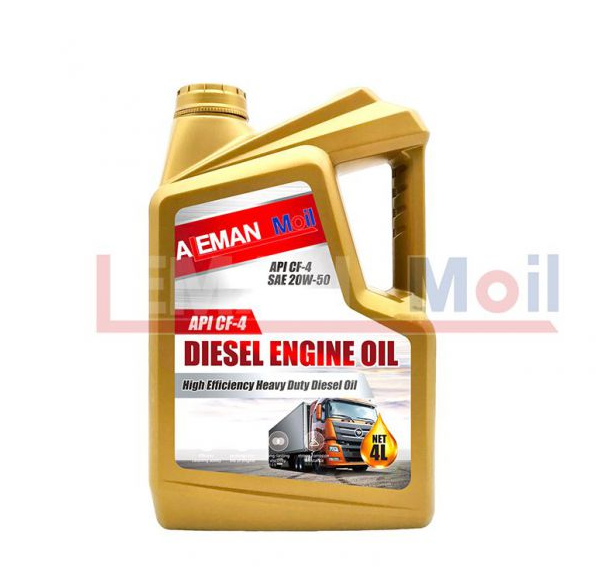
If you are looking for more details, kindly visit Aleman Moil.
Consider the supplier’s ability to deliver products timely. You don’t want to face equipment downtime due to delayed shipments. A reliable supplier should have a well-defined inventory management system and flexible delivery options that suit your needs, whether you require regular shipments or one-off orders.
While price shouldn’t be the only factor, it is certainly essential. Compare pricing among different lubricating oils suppliers, but be wary of prices that seem too low. They often indicate compromised quality. Additionally, review the terms of service, including payment terms and return policies, to avoid future complications.
Once you've selected a lubricating oils supplier, it’s beneficial to foster a strong partnership. Open communication allows you to keep track of new products, updates on existing ones, and other valuable information that could benefit your operations. Building a relationship with your supplier can lead to better pricing, priority services, and timely updates on industry trends.
Selecting the right lubricating oils supplier can significantly impact your operations. By considering factors such as reputation, product range, certifications, technical support, delivery options, and pricing, you'll be better equipped to make a wise choice. Remember, investing time in researching the best supplier pays off in the long run through improved performance and cost-saving.
Are you ready to find the right lubricating oils supplier for your business? Start by listing your requirements and reach out to potential suppliers to gather information. Don’t hesitate to ask questions — the right supplier will appreciate your diligence in making an informed decision. Happy sourcing!
You will get efficient and thoughtful service from Aleman Moil.
Previous: Top Tips for DIY Brake Pad Replacement?
Next: Replacing Piston Rings: 5 Signs It's Time for a Replacement
Copyright:@2020-2021

Comments Please sign in or sign up to post.
0
0 of 500 characters used