
The standardization of RIM drive thrusters is an increasingly relevant topic in the marine industry. As vessels evolve and the need for efficient propulsion systems grows, understanding the benefits of standardizing RIM drive thrusters becomes crucial. Below are key steps to consider why this standardization is not only necessary but also beneficial for both manufacturers and operators.
Are you interested in learning more about RIM drive thruster? Contact us today to secure an expert consultation!
Standardizing RIM drive thrusters ensures that different manufacturers' components can work seamlessly together. This interoperability is vital for vessel operators who may want to switch suppliers or upgrade components without overhauling entire systems.
How to Achieve This: Manufacturers can collaborate to agree on universal specifications and operating standards.
Practical Scenario: A shipping company can easily replace a faulty thruster from one brand with a compatible one from another manufacturer, saving time and reducing downtime costs.
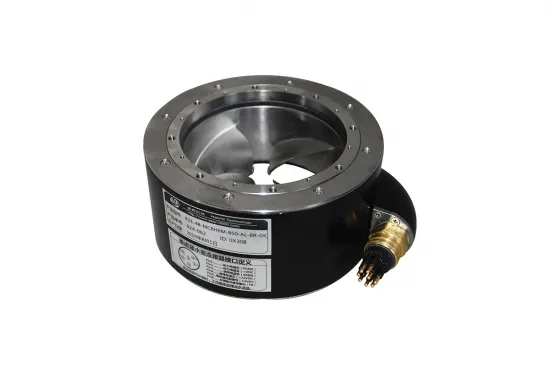
Standardization can lead to significant cost reductions in both production and maintenance. When RIM drive thrusters follow standardized designs, production scales up, and prices decrease due to mass manufacturing.
How to Implement Cost Efficiency: Companies should analyze current production workflows and identify areas where unified designs can reduce material costs and production time.
Practical Scenario: A fleet operator could purchase standardized thrusters in bulk, not only lowering the purchase price but also decreasing maintenance training costs.
With standardized RIM drive thrusters, manufacturers can focus their research and development efforts on improving specific features and technologies rather than reinventing the wheel for each new model.
How to Encourage Innovation: Establish innovation hubs where manufacturers can collaborate on enhancing standardized systems.
Practical Scenario: A developer might create a new automation system for RIM drive thrusters, which can be applied across all standardized models, increasing efficiency for various vessels simultaneously.
Standardization leads to more predictable performance characteristics, which enhances safety and reliability in operations. Operators will have a better understanding of the expected behaviors of their RIM drive thrusters.
How to Ensure Safety: Conduct regular assessments and revise standards based on findings from real-world operations.
Practical Scenario: Constantly updated safety protocols linked to standardized thrusters can help prevent accidents due to mechanical failures.
Employees need less specialized training when operating standardized equipment. This simplification can improve operational efficiency significantly.
How to Simplify Training: Develop comprehensive training materials that encompass the standardized systems, focusing on key operational procedures and safety protocols.
Practical Scenario: A company can organize training sessions for crews across multiple vessels with standardized RIM drive thrusters, ensuring all staff have the same skill set, enhancing operational consistency.
The path to standardizing RIM drive thrusters involves strategic collaboration between manufacturers, operators, and regulatory bodies. As the marine industry continues to evolve, embracing these standards can lead to enhanced interoperability, reduced costs, and improved safety. Making these changes today will position companies for success as tomorrow's technology demands more efficient and reliable propulsion solutions.
Please visit our website for more information on this topic.
Standardizing RIM drive thrusters ensures that different manufacturers' components can work seamlessly together. This interoperability is vital for vessel operators who may want to switch suppliers or upgrade components without overhauling entire systems.
Standardization can lead to significant cost reductions in both production and maintenance. When RIM drive thrusters follow standardized designs, production scales up, and prices decrease due to mass manufacturing.
With standardized RIM drive thrusters, manufacturers can focus their research and development efforts on improving specific features and technologies rather than reinventing the wheel for each new model.
Standardization leads to more predictable performance characteristics, which enhances safety and reliability in operations. Operators will have a better understanding of the expected behaviors of their RIM drive thrusters.
Employees need less specialized training when operating standardized equipment. This simplification can improve operational efficiency significantly.
The path to standardizing RIM drive thrusters involves strategic collaboration between manufacturers, operators, and regulatory bodies. As the marine industry continues to evolve, embracing these standards can lead to enhanced interoperability, reduced costs, and improved safety. Making these changes today will position companies for success as tomorrow's technology demands more efficient and reliable propulsion solutions.
Haoye Product Page
Previous: Compact UV Water Sterilizer 5 GPM WGUV-K02
Next: What Makes a Hydraulic Cylinder So Vital in Heavy-Duty Applications?
Copyright:@2020-2021

Comments Please sign in or sign up to post.
0
0 of 500 characters used