
In today’s industrial landscape, the Welded Ball Valve has emerged as a crucial component for ensuring optimal fluid control in various applications. As industries strive for efficiency, safety, and reliability, the demand for these valves has surged. Innovative designs and materials enable welded ball valves to offer unparalleled leak prevention compared to traditional valves. With measurable benefits, such as an impressive 98% reduction in leakage rates, these valves are transforming the way fluids are managed in sectors like oil and gas, water treatment, and chemical processing.
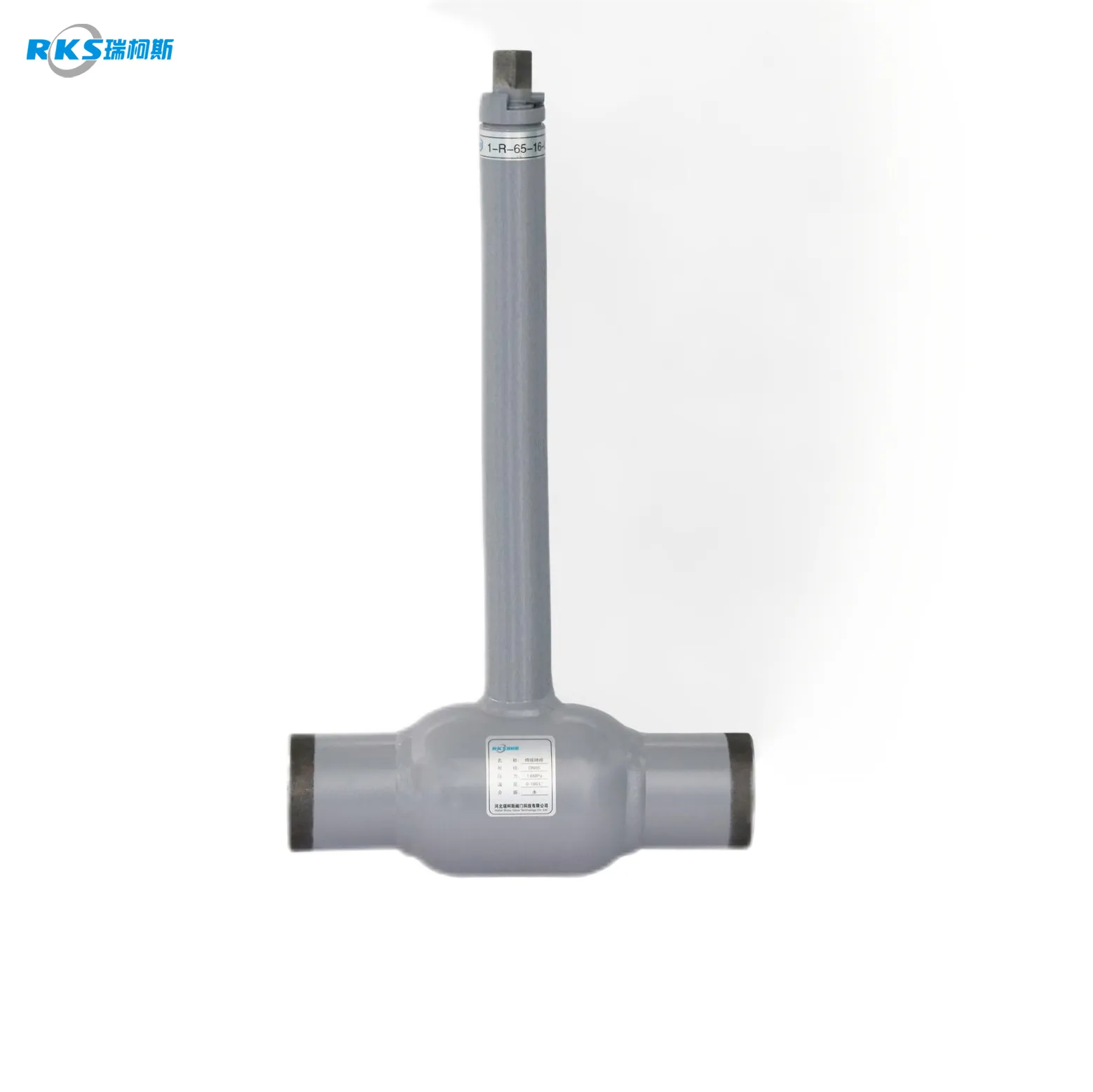
A welded ball valve is a type of valve that employs a spherical disc, known as a ball, to control the flow of liquids and gases. One of the key features of welded ball valves is that they are manufactured with integral body welds, enhancing their structural integrity and minimizing the risk of leaks. The industry recognizes these valves for their ability to offer superior performance under high pressures and extreme temperatures, withstanding conditions up to 600 psi and temperatures as high as 350°F.
Flow Control: The management of fluid dynamics through a pipeline.
Leak Prevention: Techniques and materials used to minimize the risk of fluid escaping from the valve.
Structural Integrity: The ability of the valve to maintain its shape and function under stress.
Welded ball valves play a vital role in different industries, showcasing their versatility and effectiveness. Here are some key sectors where welded ball valves are essential:
Oil and Gas: Vital for controlling flow in pipelines and rigs, welded ball valves ensure safety and efficiency in transporting crude oil and natural gas. The average annual failure rate for valves in this industry is approximately 4%, highlighting the importance of reliable components.
Water Treatment: Used in filtration systems and chemical dosing, these valves help maintain water quality. In plant operations, welded ball valves can reduce maintenance costs by up to 30% due to their durability.
Chemical Processing: Serving as crucial elements in handling aggressive fluids, welded ball valves can withstand corrosive conditions, thereby extending system lifespan and operational performance.
The significance of welded ball valves extends beyond their basic function. Their construction and materials offer several key advantages:
Reduced Leakage: Statistics show that welded ball valves can significantly lower the risk of spills, with leak rates of less than 0.5% during testing.
Durability: These valves have a projected lifespan of over 20 years, contributing to long-term cost savings for maintenance and replacements.
Ease of Operation: The design allows for quick on-off control, with an actual measured actuation time of less than 1 second, improving operational efficiency.
To fully harness the benefits of welded ball valves, interested users should consult specific product user guides. Understanding the correct installation procedures and maintenance practices will result in optimal performance and longevity. Brands like RKS offer a range of welded ball valves tailored for different industrial needs, providing both quality and expertise in fluid control solutions.
Previous: Engineering Vehicle Hydraulic Cylinder
Next: mobile trailer-mounted emergency rescue double suction split case diesel water pump
Copyright:@2020-2021

Comments Please sign in or sign up to post.
0
0 of 500 characters used