
Flooding has become an increasingly prevalent concern due to climate change, urbanization, and poor infrastructure. As communities face the risks of rising water levels, effective solutions like the Stainless Steel Flood Control Barrier have emerged to offer protection. These innovative barriers are designed to withstand severe environmental conditions, and the technology behind them has evolved significantly, providing efficient and reliable flood defense. This article will explore the significance of Flood Control Barriers, their applications, advantages, and how they can effectively mitigate flooding risks.
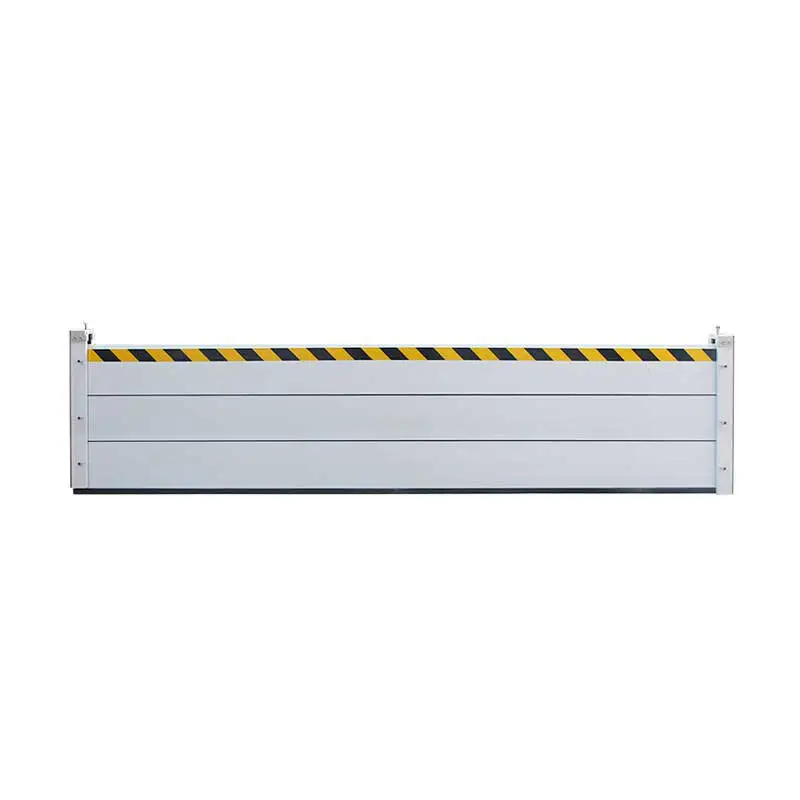
A flood control barrier is a vital infrastructure element designed to prevent water from entering specific areas during significant flooding events. Typically made from durable materials like stainless steel, these barriers can flexibly integrate into existing urban designs, offering an efficient flood defense system. Stainless steel is preferred due to its corrosion resistance, strength, and longevity, providing a lifespan surpassing 30 years under adverse conditions.
The functioning of a flood control barrier entails the construction of a water-tight seal that can withstand hydrostatic pressure generated by floodwaters, effectively redirecting or blocking water flow. The importance of these barriers is underscored by the fact that flooding can cost municipalities up to $10 billion annually in damages and lost productivity, according to a report by the National Oceanic and Atmospheric Administration (NOAA).
Flood control barriers find extensive usage across various sectors. Here are some common applications:
Urban Infrastructure: Cities are increasingly adopting stainless steel flood barriers to protect businesses and residences from storm surges and rising floodwaters. High-density urban areas like Miami and Houston are leading examples where these systems are critical for urban planning.
Industrial Facilities: Manufacturing plants and warehouses often face the threat of potential flooding. Using flood control barriers helps to safeguard valuable equipment and materials, reducing downtime and saving costs associated with water damage.
Coastal Protection: Coastal regions, vulnerable to rising sea levels and hurricanes, utilize flood barriers to defend against tidal surges and flooding, thereby preserving public safety and economic stability.
Agricultural Fields: Farmers use these barriers to protect crops from flooding, ensuring food security and sustaining agricultural production.
The adoption of stainless steel flood control barriers offers several key advantages:
Durability: Stainless steel barriers have an impressive life expectancy, with most installations lasting over 30 years with minimal to no maintenance.
High Resistance to Corrosion: Unlike conventional materials, stainless steel is less susceptible to rust and degradation, even in harsh environmental conditions, ensuring the infrastructure remains effective over time.
Flexibility in Design: These barriers can be customized precisely to fit various locations and requirements, enabling seamless integration into urban landscapes without compromising aesthetics.
Cost-Effectiveness: With their long lifespan and minimal maintenance costs, stainless steel flood barriers may lead to a 40% reduction in flood-related expenses over time.
Rapid Deployment: Unlike traditional constructions, stainless steel barriers can be installed quickly, sometimes in as little as one week, providing immediate protection when needed.
Understanding how to utilize flood control barriers effectively is essential for residents and business owners in vulnerable areas. For comprehensive information regarding the installation and maintenance of these systems, refer to user guides specific to products like the Hanshenglong Stainless Steel Flood Control Barrier. Accessing official documentation can provide insights into maximizing the barrier’s protective qualities.
Q: What sizes do stainless steel flood control barriers come in? A: They can be customized to various heights and lengths according to the specific needs of an area, ranging from 1 foot to over 5 feet high.
Q: Can flood control barriers be used in tandem with other flood control measures? A: Yes, these barriers can complement other flood mitigation strategies, such as retention basins and levees, for enhanced protection.
Q: How often should barriers be inspected? A: Regular inspections are recommended, ideally biannually, to ensure the integrity of seals and materials is maintained.
Q: Are there examples of successful implementations of these barriers? A: Cities like Venice, Italy, and New Orleans, U.S., have successfully implemented stainless steel flood barriers as part of their flood defense strategies.
In summary, stainless steel flood control barriers serve a critical role in safeguarding lives, property, and infrastructure from the increasing threat of flooding. With their robust advantages, understanding their applications and maintenance guidelines can enhance community resilience. For readers interested in deeper learning or trial installations, checking out Hanshenglong products is a great next step.
Previous: Carbon Dioxide Fire Extinguisher
Copyright:@2020-2021

Comments Please sign in or sign up to post.
0
0 of 500 characters used