
Choosing the right material for high-precision gears can be challenging. Two common options are POM and HDPE, each with its unique properties. POM, or polyoxymethylene, is known for its high precision and stiffness. On the other hand, HDPE, or high-density polyethylene, is appreciated for its strength and flexibility. But how do these materials match up when it comes to gears? Understanding their differences can save you time and money.
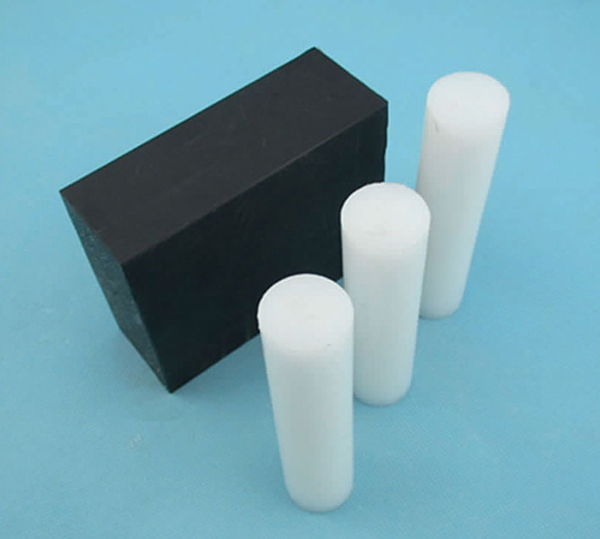
When choosing between POM and HDPE for high-precision gears, POM is ideal for applications requiring tight tolerances, while HDPE is better for applications needing flexibility and impact resistance.
POM is a strong thermoplastic with excellent dimensional stability and resistance to wear. Its stiffness allows for precise shapes, making it suitable for intricate gears. POM also has low friction and a high resistance to chemicals, making it ideal for mechanical parts.
In applications where mechanical precision is vital, POM's properties often lead to longer-lasting gear performance. Its ability to maintain shape under stress reduces maintenance needs and improves overall efficiency.
HDPE offers a different set of advantages. It is lightweight but incredibly strong. It can resist impact and has good chemical resistance, which makes it suitable for various environments. While not as stiff as POM, HDPE offers flexibility, making it a popular choice for gears in less demanding applications.
An experiment showed that HDPE gears can endure high impact forces without breaking, displaying resilience that POM may lack in certain scenarios. This makes HDPE a good option for applications subject to sudden stress.
Pricing for these materials can vary. POM is typically more expensive than HDPE. However, the choice may depend on the specific needs of your project. Availability is generally good for both materials, but local suppliers may influence your options.
| Material | Cost | Properties |
|---|---|---|
| POM | Higher | Stiff, precise, low friction |
| HDPE | Lower | Flexible, impact-resistant |
Here are some guidelines to help you make your decision:
Use POM when your application needs high precision and minimal tolerances.
Use HDPE for applications where impact resistance and flexibility are more important.
In summary, selecting between POM and HDPE for high-precision gears requires careful consideration of your specific needs. POM is optimal for rigid, precise applications, while HDPE excels in flexible, impact-resistant situations. Understanding these differences will help you choose the right polymer for your project.
Previous: Aluminum Coil Protective Film Options: A Comprehensive Guide
Next: Top Benefits of Black Big Diameter UHMWPE Rods for Industrial Applications
Copyright:@2020-2021

Comments Please sign in or sign up to post.
0
0 of 500 characters used