
Turkey's construction sector is undergoing a transformative phase, driven by urbanization, government-led infrastructure projects, and a growing focus on sustainable building practices. At the heart of this evolution lies Hydroxypropyl Methylcellulose (HPMC)—a critical additive that enhances the performance, durability, and environmental compliance of modern construction materials. This article explores why HPMC for Turkey is uniquely positioned to meet the demands of Turkey's dynamic construction landscape, from seismic resilience to eco-friendly innovations.
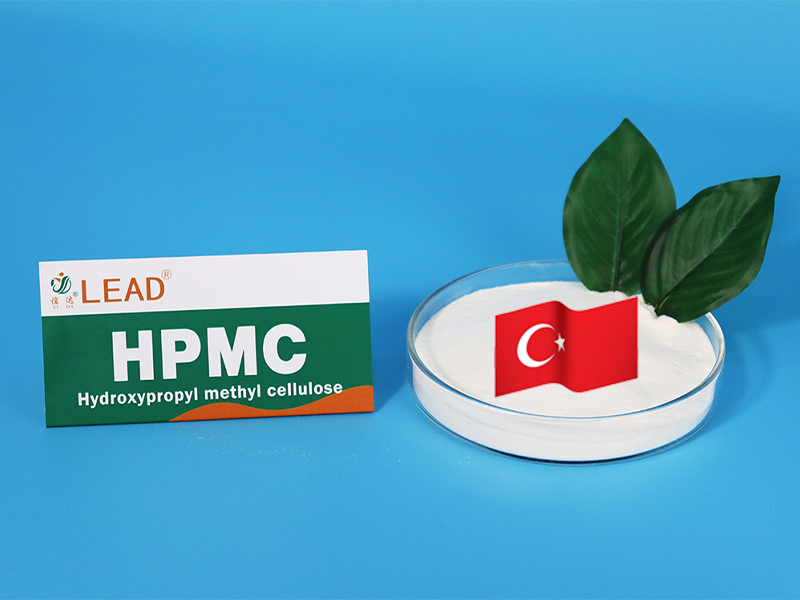
Turkey's construction industry contributes over 5% to its GDP and employs nearly 2 million workers, making it a cornerstone of economic growth. The government's 2023-2028 Infrastructure Master Plan allocates $150 billion to projects spanning transportation, energy, and housing, with a strong emphasis on earthquake-resistant designs.
Seismic Safety: Turkey lies in a high-risk earthquake zone, necessitating materials that improve structural integrity. HPMC enhances the adhesive properties of mortars and tile adhesives, reducing cracking and detachment risks during seismic events.
Urban Renewal: Over 60% of Turkey's urban housing stock predates modern building codes. HPMC-based dry mixes accelerate renovations by improving workability and reducing labor costs.
Sustainability Mandates: The Turkish Ministry of Environment requires construction materials to meet low-VOC and energy-efficient standards. HPMC's biodegradability and role in reducing cement usage align with these goals.
HPMC is a non-ionic cellulose ether derived from natural wood pulp, modified to exhibit exceptional water retention, thickening, and film-forming properties. For Turkey's construction sector, its benefits are multifaceted:
Turkey's diverse geography—from the humid Black Sea coast to the arid Anatolian plateau—demands materials that perform consistently. HPMC regulates water evaporation in mortars and plasters, preventing premature drying in hot climates and ensuring proper curing in cold regions.
Case Study: In Istanbul's summer construction projects, HPMC-modified tile adhesives demonstrated a 40% longer open time compared to traditional mixes, reducing waste and rework.
HPMC reduces cement consumption by up to 15% in dry mixes without compromising strength. This is critical for Turkey, where cement prices have risen by 22% since 2023 due to energy costs.
Economic Impact: A 2024 study by the Turkish Construction Materials Association found that HPMC adoption could save the industry $320 million annually in material costs by 2026.
Turkey's TS EN 13499 standard for dry-mix mortars mandates strict adhesion and flexibility benchmarks. HPMC formulations consistently outperform cement-based alternatives in these tests, ensuring compliance and avoiding project delays.
While global HPMC suppliers dominate markets like Europe and Asia, Turkey has emerged as a regional hub for customized solutions. Local manufacturers leverage advanced production technologies to tailor HPMC grades for Turkey's specific needs.
Leading Turkish producers, such as Dilmen Kimya and AkzoNobel's local partners, operate ISO-certified plants with automated quality control systems. These facilities ensure batch consistency, a critical factor for large-scale infrastructure projects.
Example: A 2025 expansion by a major Turkish HPMC producer added 10,000 tons/year capacity, targeting exports to the Middle East and Balkans.
Turkish HPMC suppliers offer on-site formulation assistance, helping contractors optimize mix designs for projects ranging from high-rise buildings to historic restoration. Collaborative R&D with universities like Istanbul Technical University has yielded HPMC variants with improved fire resistance and thermal insulation.
Proximity to raw materials (e.g., cotton linters from Turkey's textile industry) and strategic logistics hubs in Istanbul and Mersin reduce lead times and transportation costs. This agility was critical during the 2024 global cellulose ether shortage, when Turkish suppliers maintained uninterrupted supply to domestic clients.
Turkey's LEED and BREEAM-certified projects doubled in 2024, driving demand for HPMC in low-carbon mortars and insulating plasters. Manufacturers now offer HPMC grades with 30% lower embodied carbon compared to 2020 baselines.
As Turkey explores 3D-printed housing to address affordable housing shortages, HPMC's role in extrudable concrete mixes has become pivotal. Trials in Ankara demonstrated that HPMC-enhanced mixes reduced printing time by 25% while maintaining structural integrity.
Recycled aggregates from demolition waste are gaining traction in Turkey. HPMC improves the bond strength of these materials, enabling their use in non-structural applications like partition walls.
Previous: Acrylic Emulsion for Abrasive Cloth Shaping: The Key to High-Performance Grinding Materials
Next: Optical Glass: Precision Materials for a Brighter Technological Future
Copyright:@2020-2021

Comments Please sign in or sign up to post.
0
0 of 500 characters used