
As homeowners look for more energy-efficient solutions, air source heat pump service is gaining increased attention. These systems use renewable energy from the environment to heat or cool homes, allowing consumers to reduce their reliance on traditional fossil fuel heating methods. With energy prices fluctuating significantly, the need for reliable, cost-effective temperature control solutions has become more pressing than ever. In this article, we will explore air source heat pumps, covering everything from their applications to the technology behind them—ultimately helping you make informed decisions about your home’s heating and cooling needs.
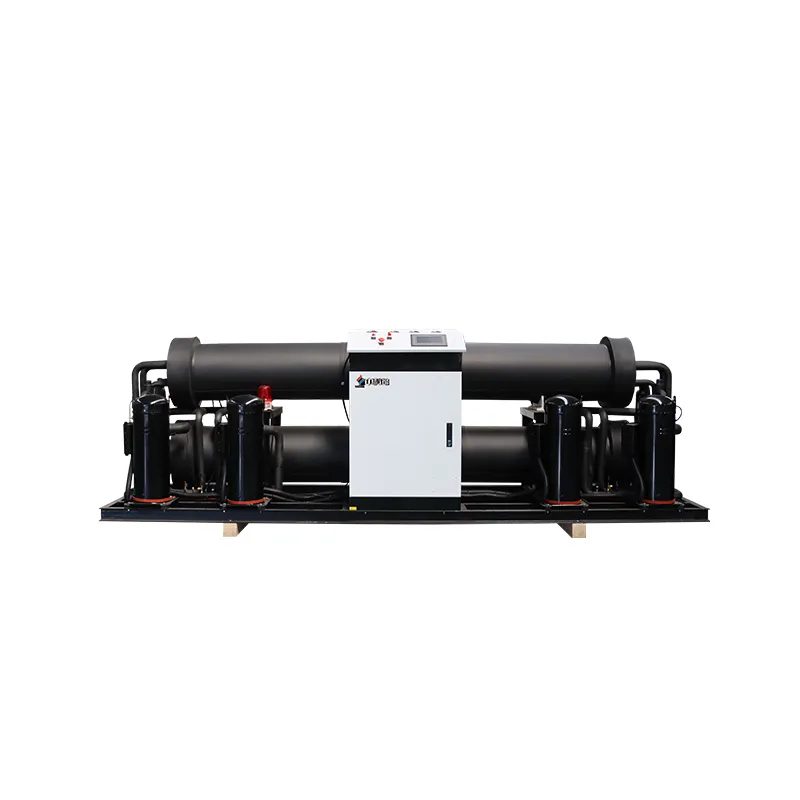
Air source heat pumps (ASHPs) are HVAC systems that extract heat from the outside air to regulate indoor temperatures. In simple terms, when the outdoor temperature is mild, these systems can transfer heat indoors for warmth. Conversely, during the summer, air source heat pumps can function in reverse, extracting heat from the home and expelling it outside, effectively cooling the space.
Coefficient of Performance (COP): This metric measures the efficiency of a heat pump. A higher COP indicates a more efficient heat pump that provides more heating or cooling for each unit of electricity consumed. According to a report by the International Energy Agency (IEA), modern air source heat pumps typically have a COP of between 3 to 5, translating to 300-500% efficiency.
Seasonal Energy Efficiency Ratio (SEER): This term quantifies the cooling efficiency of heat pumps. Higher SEER ratings indicate more efficient systems. Current models can achieve SEER ratings as high as 25.
Air source heat pumps are versatile and can be used in various scenarios:
Residential Heating and Cooling: Ideal for homes in temperate climates where the outdoor temperature rarely drops below freezing, these systems can significantly reduce energy bills and emissions.
Commercial Spaces: Businesses, such as retail shops and offices, can benefit from ASHPs to manage their energy consumption, offering clients a comfortable environment at lower operating costs.
Aquaculture and Agriculture: Farms use air source heat pumps for heating greenhouses or maintaining suitable temperatures for livestock, enhancing productivity and sustainability.
Air source heat pumps are becoming increasingly important for several reasons:
Cost Efficiency: Studies have shown that homeowners can save between 30-50% on their heating bills when switching to an air source heat pump.
Environmental Benefits: ASHPs have lower carbon emissions compared to traditional heating systems. The U.S. Department of Energy reports that using heat pumps can cut carbon emissions by up to 60%, making them a sustainable choice.
Year-Round Comfort: With the capability to both heat and cool, air source heat pumps provide consistent climate control throughout the year, catering to the changing climate needs.
Low Maintenance: Air source heat pumps typically require less maintenance compared to combustion-based heating systems, offering lasting help and peace of mind to homeowners.
If you’re considering upgrading your heating or cooling system, a great next step is to read through the user guide for air source heat pumps. Understanding your specific needs and how ASHPs can meet them is crucial. Consider reaching out to professional service providers like ZKN for a consultation. You can also explore their extensive range of energy-efficient products.
Q1: How long do air source heat pumps last?
A: On average, air source heat pumps have a lifespan of 15 to 20 years, making them a long-term investment in home heating and cooling.
Q2: Are air source heat pumps suitable for all climates?
A: While they perform exceptionally well in milder climates, advancements in technology have improved their functionality in colder areas, even operating effectively in temperatures as low as -13°F (-25°C).
Q3: How noisy are air source heat pumps?
A: The sound level varies by model, but many modern systems operate at sound levels similar to normal household activities, ranging from 40-60 decibels.
Conclusion: Discover Your Options
The air source heat pump is an excellent investment in energy efficiency and comfort. By harnessing renewable energy, these systems not only lower your energy bills but also reduce your carbon footprint. Consider exploring the options available to you, particularly those offered by reputable brands like ZKN. Understanding your heating and cooling needs will place you at the forefront of adopting sustainable energy solutions.
Previous: 2-Offset Butterfly Valve: Reliable Flow Control with Enhanced Sealing Performance
Next: Motor core direct stacking process & large rotation process
Copyright:@2020-2021

Comments Please sign in or sign up to post.
0
0 of 500 characters used