
A multiple hole puncher is a versatile office tool designed to create several holes in a sheet of paper simultaneously. While standard three-hole punches are common for binder-ready paper, multiple hole punchers come in various configurations that may include two, three, or even adjustable punching options. They’re popular not only for traditional filing systems but also for specialized projects such as scrapbooking, crafting, and industrial applications.
Whether you’re outfitting an office, classroom, or crafting space, a reliable hole puncher is an essential tool. But when it comes to multiple hole punchers—devices capable of punching several holes at once—choosing the right model can be confusing. This buyer guide walks you through what to consider, key features to look for, and our top product recommendations to help you make an informed decision.
- Efficiency: Punch multiple holes at once, saving time and reducing manual effort.
- Versatility: Suitable for different paper sizes, materials, and specialized binding formats.
- Enhanced Organization: Ensures consistent hole placement for binders, folders, or project materials.
- Ergonomic Design: Many models now incorporate comfort grips and reduced-effort mechanisms.
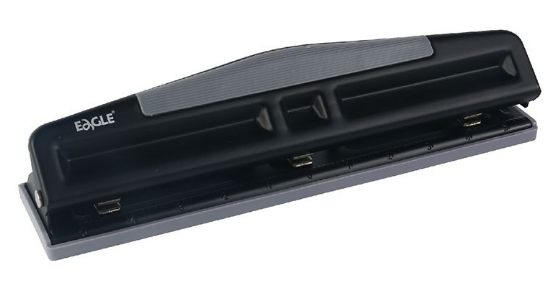
Before purchasing a multiple hole puncher, it’s important to weigh the following factors:
- Standard vs. Adjustable: Standard models (e.g., three-hole punches) offer fixed hole configurations ideal for letter-size paper. Adjustable models allow you to customize the hole pattern for different binder sizes or creative projects.
- Hole Spacing: Verify that the hole spacing matches your binder or filing system requirements. Some models allow repositioning of the punch heads.
- Sheet Capacity: Look for a puncher that specifies the maximum number of sheets it can punch in one go. Options range from 10 to 40+ sheets, with heavy-duty models available for bulk applications.
- Material Compatibility: Some models are designed for standard 20–24 lb. paper, while others are robust enough to handle thicker materials or even cardstock.
- Comfort Grip Handles: Models with padded or ergonomically designed handles reduce strain and are ideal for frequent use.
- Reduced Effort Mechanisms: Look for punches featuring technology (like reduced-effort or smart-touch mechanisms) that minimize the pressure needed to punch multiple sheets.
- Build Quality: An all-metal construction typically ensures longevity and consistent performance.
- Chip Tray & Waste Disposal: A built-in chip tray can help keep your workspace tidy by collecting paper waste.
- Manual vs. Electric: While most multiple hole punchers are manual, electric models are available for high-volume tasks. Electric models often include dual power options (battery or AC) and advanced alignment features.
Multiple hole punchers come in various types to meet different needs:
- Traditional Three-Hole Punches: The most common type, designed for standard binder configurations.
- Two-Hole & One-Hole Punchers: Often used for specialized filing systems or craft projects.
- Adjustable Punches: Offer the flexibility to change the number and position of holes, perfect for custom binders or creative applications.
- High-Capacity Models: Designed for office environments where large stacks of paper are punched at once. They often feature robust mechanisms and a durable build.
- Reduced Effort Designs: These models incorporate technology that significantly reduces the manual force required, making them ideal for frequent or prolonged use.
- Automated Solutions: Best for high-volume environments, these devices offer quick, consistent punching with minimal physical effort. They’re ideal for offices or schools where speed and efficiency are critical.
Selecting the perfect hole puncher depends on several factors:
1. Assess Your Volume: For occasional use, a manual punch with a lower sheet capacity might suffice. High-volume environments may benefit from heavy-duty or electric models.
2. Determine Your Hole Configuration: Match the hole puncher to your binder or filing system. If you require flexibility, consider an adjustable model.
3. Consider Ergonomics: If you’re likely to use the puncher frequently, prioritize comfort features such as padded handles and reduced-effort mechanisms.
4. Budget and Durability: While premium models come with robust features and longer lifespans, many affordable options also deliver excellent performance. Read reviews and check warranty details to ensure long-term satisfaction.
Previous: None.
Next: None.
Copyright:@2020-2021

Comments Please sign in or sign up to post.
0
0 of 500 characters used