
An autonomous delivery vehicle is a self-driving vehicle designed to transport and deliver goods without human intervention. It uses advanced technologies such as artificial intelligence (AI), lidar and radar sensors, GPS navigation, and computer vision to navigate roads, detect obstacles, and make driving decisions in real time.
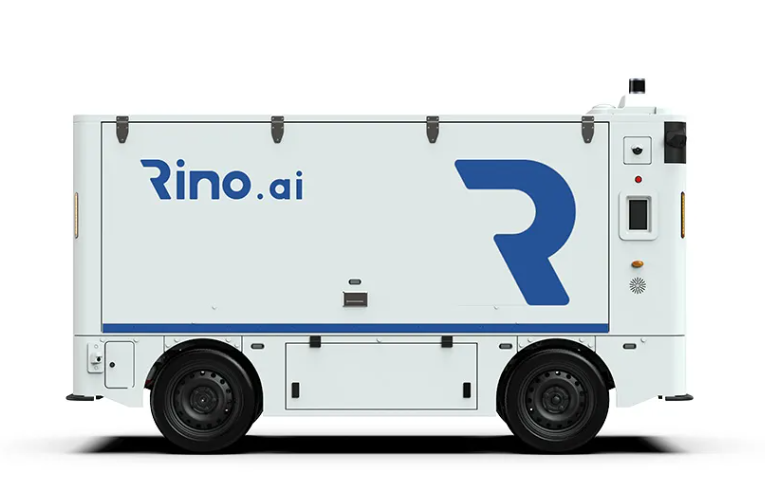
Self-Driving Technology:
Autonomous delivery vehicles operate using AI-powered systems that allow them to recognize traffic signs, pedestrians, and other vehicles, enabling safe and efficient movement without a driver.
Electric Power:
Most of these vehicles are electric-powered, which reduces emissions and operating costs while promoting sustainability.
Real-Time Navigation:
They rely on GPS and mapping data to plan optimal routes, adjust to traffic conditions, and ensure timely deliveries.
Safety and Sensors:
Equipped with cameras, radar, and lidar, these vehicles can sense their surroundings in 360 degrees, avoiding collisions and navigating through complex environments.
E-commerce Deliveries: Transporting packages from warehouses or local hubs directly to customers.
Food and Grocery Delivery: Bringing meals and groceries safely and quickly to doorsteps.
Campus and Industrial Logistics: Used in closed environments such as universities, factories, or hospitals for internal goods transport.
Efficiency: Operates 24/7 with consistent performance.
Cost Savings: Reduces the need for human drivers and fuel expenses.
Environmental Impact: Lower carbon emissions due to electric propulsion and optimized routes.
Safety: Minimizes accidents caused by human error.
In short, an autonomous delivery vehicle is a key innovation in smart logistics, combining automation, artificial intelligence, and green technology to make deliveries faster, safer, and more sustainable.
Previous: Autonomous Driving Cargo Vans: The Future of Smart Logistics
Next: None.
Copyright:@2020-2021

Comments Please sign in or sign up to post.
0
0 of 500 characters used