
In today’s rapidly advancing energy landscape, high voltage lithium battery packs have emerged as a cornerstone technology powering everything from electric vehicles to renewable energy storage systems. With superior efficiency, longevity, and performance compared to traditional batteries, these power units are redefining the future of sustainable energy solutions.
A high voltage lithium battery pack is a group of lithium-ion cells connected in series to produce higher voltages—typically between 200V and 800V or even higher in specialized applications. These battery systems are designed to meet the demanding power requirements of electric vehicles (EVs), industrial machinery, and large-scale energy storage systems.
The term “high voltage” refers to the ability of the battery pack to deliver greater power output, enabling higher energy transfer rates and improved performance efficiency. Each pack consists of lithium-ion cells, battery management systems (BMS), and cooling structures to ensure safe and reliable operation.
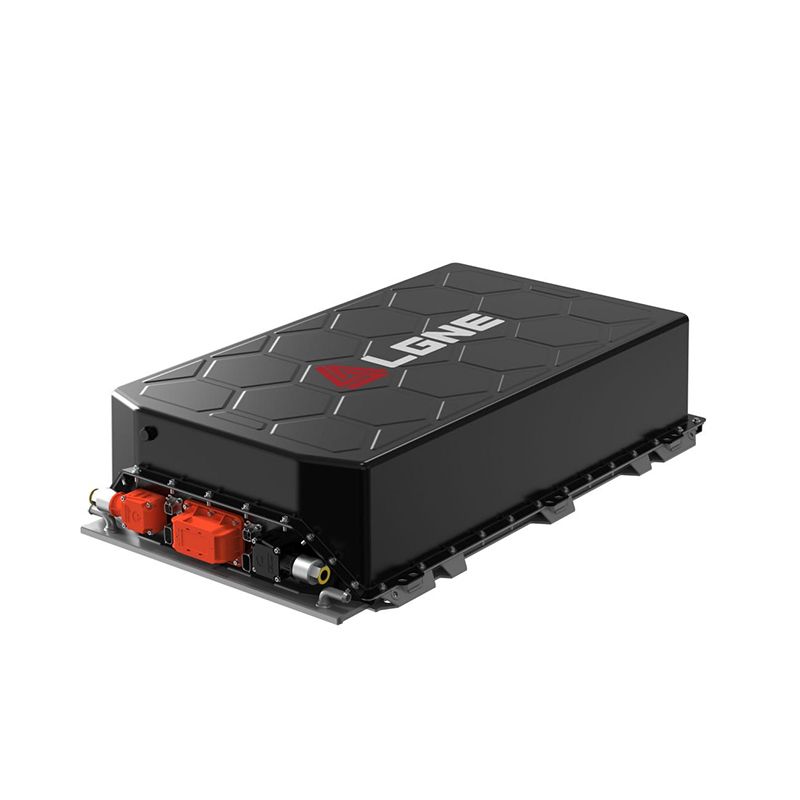
Lithium battery technology is known for its high energy density, allowing more energy to be stored in a smaller space. This means a longer operational range for electric vehicles and greater backup capacity for renewable energy systems.
High voltage systems improve power conversion efficiency, reducing energy losses and optimizing performance. This results in faster charging times and lower operational costs, making them ideal for high-demand applications.
One of the major advantages of lithium-based batteries is their extended lifecycle. A typical high voltage lithium battery pack can last for over 3000–5000 charge cycles, maintaining high capacity and reliability over many years of use.
Advanced Battery Management Systems (BMS) continuously monitor the voltage, current, and temperature of each cell to prevent overcharging, overheating, and short-circuiting. With intelligent balancing and protection mechanisms, safety remains a top priority.
The EV industry heavily depends on high voltage lithium battery packs for propulsion. The high voltage allows faster acceleration, greater power output, and extended driving ranges, making it a perfect fit for both passenger and commercial vehicles.
In renewable systems like solar and wind energy, high voltage lithium batteries store excess power generated during peak times and release it when demand rises. Their scalability and fast response times make them essential for modern smart grids.
Forklifts, robotics, and automated machinery are increasingly adopting high voltage lithium battery packs due to their high discharge rates, energy efficiency, and maintenance-free operation compared to lead-acid batteries.
Marine vessels and aircraft systems benefit from lightweight yet powerful energy solutions. High voltage lithium packs provide compact power storage with reduced emissions and superior energy utilization.
A well-designed high voltage lithium battery pack consists of:
Lithium-ion cells: Typically arranged in series for voltage and parallel for capacity.
Battery Management System (BMS): Ensures safety and performance optimization.
Cooling System: Maintains optimal operating temperature.
Protective Housing: Provides insulation and protection from environmental conditions.
Power Connectors and Fuses: Facilitate energy transfer and protect against faults.
The design process requires precision engineering to balance energy density, thermal management, and electrical safety. Manufacturers often use modular architectures to simplify scalability and maintenance.
Safety is paramount in high voltage battery design. The thermal management system ensures that all cells remain within safe temperature limits. This can involve liquid cooling, air cooling, or phase-change materials to dissipate heat efficiently.
In addition, the BMS software provides real-time diagnostics, preventing over-voltage or under-voltage conditions that could damage cells or cause hazards. Compliance with international standards such as IEC 62619 and UN38.3 ensures safe global transport and use.
The evolution of high voltage lithium battery packs continues with significant innovations on the horizon:
Solid-State Batteries: Offering higher energy densities and improved safety.
Faster Charging Technologies: Ultra-fast charging in minutes rather than hours.
Recyclable Materials: Focus on sustainability through eco-friendly materials and recycling.
Integration with AI Systems: Smart energy management for predictive maintenance and efficiency.
These trends signal a transformative shift toward cleaner, more efficient, and intelligent power systems across industries.
Choosing high voltage lithium battery packs is a strategic investment for businesses seeking energy independence, cost efficiency, and environmental responsibility. Whether you’re upgrading your EV fleet, powering industrial systems, or building a renewable energy project, these batteries deliver unmatched performance, reliability, and scalability.
With the global move toward decarbonization and electrification, high voltage lithium batteries are not just a technological option—they’re the driving force of the future energy ecosystem.
High voltage lithium battery packs stand at the forefront of modern energy innovation. Their high efficiency, longevity, and adaptability make them indispensable in automotive, industrial, and renewable applications. As the world embraces electric mobility and sustainable power, the role of these advanced battery systems will only continue to grow.
To stay ahead in the energy revolution, investing in high voltage lithium battery technology means investing in a cleaner, more efficient, and more powerful tomorrow.
For more details please visit www.lgnepower.com
Copyright:@2020-2021

Comments Please sign in or sign up to post.
0
0 of 500 characters used