
Users often face the daunting dilemma of protecting sensitive materials from moisture and gas penetration. Whether it's preserving food freshness, safeguarding delicate electronics, or ensuring the longevity of construction materials, the implications of moisture damage can have costly consequences. Barrier coatings provide a robust solution, sealing surfaces to prevent unwanted penetration. By utilizing substances like HumenChem’s advanced barrier coatings, which boast a displayed permeation reduction rate of over 90%, users can effectively address these problems. Let's delve deeper into the user pain points, exploring scenarios of moisture-related damage and how barrier coatings can offer a pathway to protection.
Before embarking on applying barrier coatings for moisture protection, it is essential to gather the right materials and tools:
Materials: HumenChem barrier coatings, surface cleaner, and primer.
Tools: Paintbrushes, rollers, spray guns, and protective gear such as gloves and masks.
Prerequisites: Ensure a clean, dry workspace free from contaminants to improve coating performance.
Understanding these preparatory steps is vital for achieving lasting results in moisture protection.
Surface Preparation: Clean the surface using a suitable solvent to remove dirt, grease, or old coatings. A clean surface significantly enhances adhesion.
Priming: If the substrate is porous, apply a primer first to seal the surface. This step can reduce absorption and ensure an even application of the barrier coating.
Coating Application: Using a roller or spray gun, apply the HumenChem barrier coating evenly across the surface. Aim for a thickness of about 150 microns for optimal protection against moisture and gas.
Drying: Allow the coating to cure based on the manufacturer’s recommendations, typically about 24 hours. This process increases the durability and effectiveness of the barrier.
Inspection: After the drying period, inspect the coating for any missed areas and, if necessary, apply a second coat for enhanced protection.
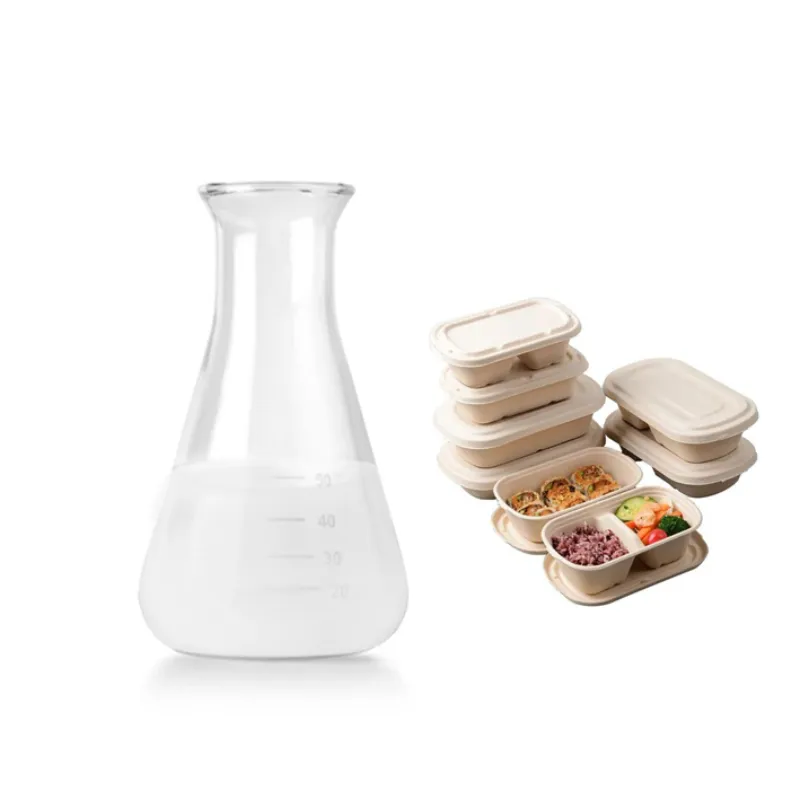
While applying barrier coatings, novices may encounter common errors:
Inconsistent Coverage: Ensure even application to avoid weak points where moisture can penetrate. Use a gauge to maintain consistent thickness.
Insufficient Drying Time: Rushing the drying process can lead to adhesion failures. Follow the instructions for optimal drying periods.
Poor Surface Preparation: Neglecting to clean or prime the surface can lead to peeling or flaking. Always prepare surfaces accordingly.
Barrier coatings are vital for preventing moisture and gas penetration in various applications, from food storage to electronics. By understanding the user need for moisture protection and following the outlined steps for application, users can effectively combat moisture-related issues. For best results, consider conducting tests on a small surface area to understand the coating's effectiveness before full application.
Copyright:@2020-2021

Comments Please sign in or sign up to post.
0
0 of 500 characters used