
Pressure plays a vital role in the flow of fluids within pipes. If the pressure is too high, it can lead to damage in pipes, equipment, and even safety hazards. On the other hand, too low of a pressure can result in inefficient operation and poor performance. That’s where a pressure reducing valve comes into play.
PRVs ensure that the pressure of a system remains within a safe and functional range. By maintaining a steady, reduced pressure downstream, these valves prevent system overload, reduce wear on equipment, and ensure the safe and efficient operation of a system.
A pressure reducing valve is a mechanical device designed to reduce the incoming pressure of fluids or gases to a specified, lower level. These valves are installed in systems where the pressure of the incoming fluid or gas is higher than required for downstream use. The valve works by automatically adjusting the flow to maintain a constant downstream pressure, regardless of fluctuations in the inlet pressure.
The basic design of a PRV involves a spring-loaded mechanism or diaphragm that senses the downstream pressure and adjusts the valve opening to maintain the desired pressure. The valve will close when the downstream pressure exceeds the set limit, or it will open to allow more flow when the pressure drops below the desired level.
There are various types of pressure reducing valves, each suited for different applications. The choice of valve depends on the specific needs of the system, such as flow rates, pressure levels, and the type of fluid being regulated.
Spring-loaded PRVs are the most common type of pressure reducing valve. They use a spring mechanism to control the valve opening and closing. The pressure on the downstream side is compared to the spring tension, which adjusts the flow. These valves are simple and reliable, making them ideal for a wide range of residential, commercial, and industrial applications.
Brass pressure reducing valve are often available in spring-loaded designs, offering durability and resistance to corrosion, especially in water and other non-corrosive fluids.
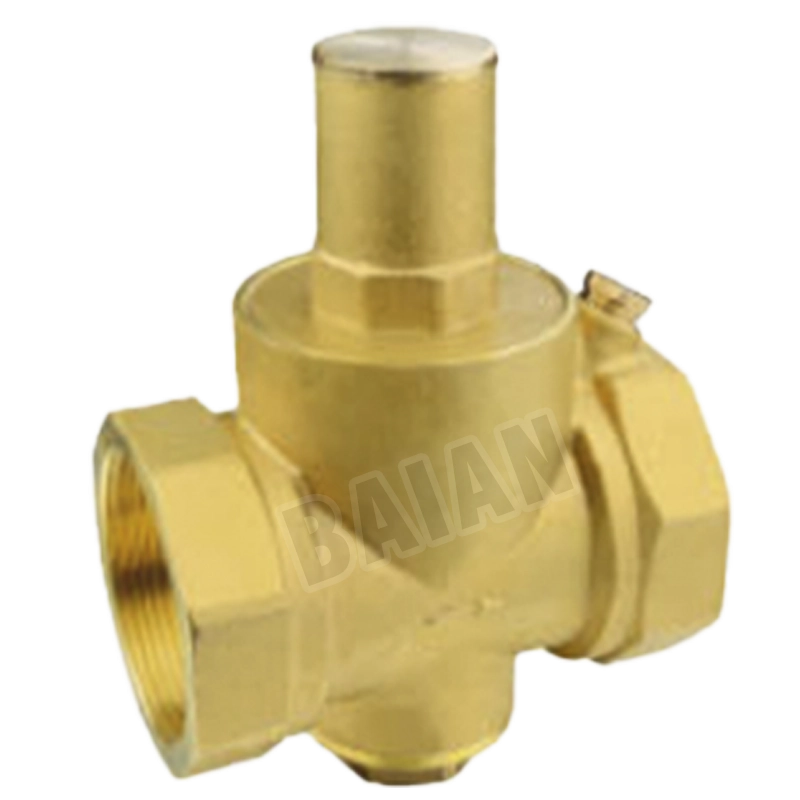
Diaphragm-operated PRVs use a flexible diaphragm to sense changes in downstream pressure. The diaphragm moves in response to pressure fluctuations, which in turn adjusts the valve opening. This type of valve is highly sensitive and can provide more accurate pressure control compared to spring-loaded models. Diaphragm-operated valves are ideal for applications where precise pressure control is essential.
Pilot-operated PRVs are used in high-flow systems where a more robust and accurate pressure control is needed. These valves use a pilot valve to monitor and regulate the downstream pressure. The pilot valve then adjusts the main valve to maintain a constant downstream pressure. Pilot-operated valves are more complex but provide better control in high-pressure systems.
Electronic pressure reducing valves combine traditional mechanical control with electronic sensors and actuators. These valves use electronic sensors to detect pressure changes and electronically control the valve’s operation. This type of PRV is commonly used in automated systems, where precise control and monitoring of pressure are essential.
A pressure reducing valve operates by using a mechanism that senses the downstream pressure and adjusts the valve opening accordingly. Here’s a simple breakdown of how it works:
Inlet Pressure: Fluid or gas enters the valve from the high-pressure side, typically at a higher pressure than needed for the downstream system.
Sensing the Pressure: The valve has an internal sensing mechanism, such as a spring, diaphragm, or pilot valve, which detects the pressure of the fluid downstream.
Adjusting the Valve: Based on the sensed pressure, the valve adjusts its opening to either allow more fluid to pass through (if the pressure is too low) or restrict the flow (if the pressure is too high).
Maintaining Constant Pressure: The valve continues to regulate the flow, ensuring that the downstream pressure remains constant, even if the inlet pressure fluctuates.
Using a pressure reducing valve provides several key benefits for fluid systems:
Protecting Equipment: Excessive pressure can cause damage to pipes, fittings, and equipment. By reducing pressure to a safe and stable level, PRVs help protect downstream components from wear and tear, extending their lifespan.
Energy Efficiency: In many systems, reducing pressure to the appropriate level can improve energy efficiency. For example, in water distribution systems, a brass pressure reducing valve can help regulate pressure and reduce energy consumption by optimizing the flow of water.
Improved System Performance: By ensuring a stable pressure, PRVs help systems operate efficiently. Fluctuating pressure can cause erratic performance, but with a PRV in place, the system can maintain consistent pressure levels, ensuring optimal operation.
Safety: High pressure in pipes and equipment can lead to dangerous situations, including bursts, leaks, or even explosions. A PRV helps to keep the pressure within safe limits, reducing the risk of accidents and improving overall system safety.
Water Conservation: In water systems, pressure reducing valves help optimize the flow of water, ensuring that it is used efficiently and preventing waste due to over-pressurization.
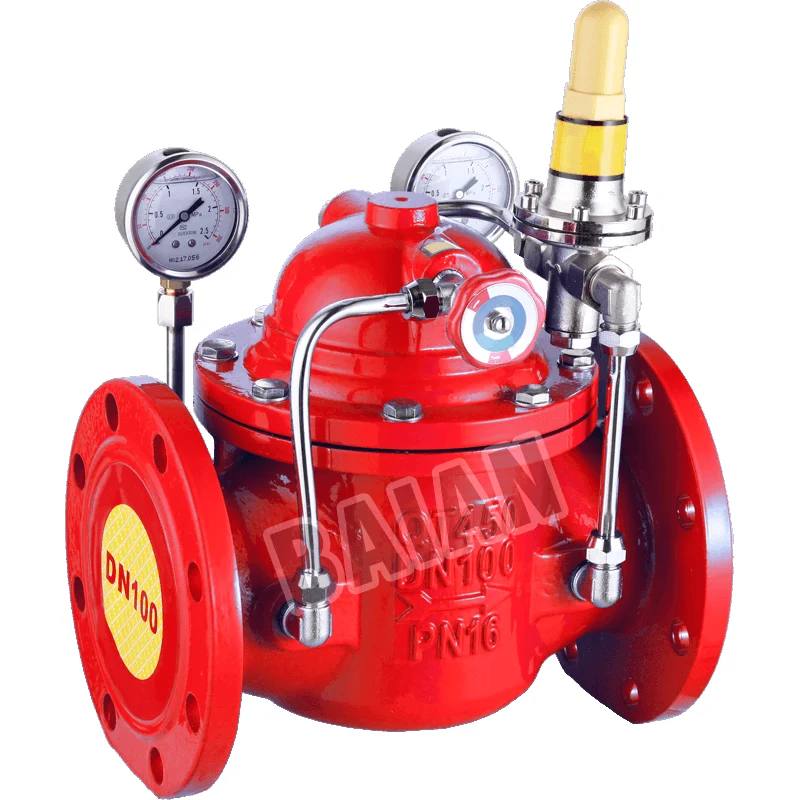
Pressure reducing valves are used in a variety of systems across different industries. Some common applications include:
Plumbing Systems: PRVs are widely used in residential and commercial plumbing systems to maintain safe water pressure levels. They are especially important in areas where water pressure is high and can cause damage to pipes and fixtures.
Industrial Systems: In industrial settings, PRVs are used in various processes where fluid pressure must be controlled for safety and efficiency. For example, they are used in chemical plants, oil refineries, and manufacturing systems.
HVAC Systems: In heating, ventilation, and air conditioning (HVAC) systems, PRVs help regulate water or gas pressure, ensuring efficient operation of boilers, pumps, and cooling systems.
Irrigation Systems: Pressure reducing valves are commonly used in irrigation systems to ensure that the water pressure is appropriate for optimal watering and to prevent over-pressurizing the sprinkler heads.
When selecting a pressure reducing valve for a particular application, several factors need to be considered:
Flow Rate: Ensure that the PRV can handle the required flow rate for the system. Choose a valve that is rated for the expected volume of fluid or gas.
Pressure Range: Select a valve that can effectively reduce the incoming pressure to the desired downstream pressure. The valve should be able to handle both high inlet pressures and maintain the desired outlet pressure.
Material Compatibility: Consider the material of the valve, especially for systems involving corrosive fluids. Brass pressure reducing valves are often preferred for their corrosion resistance, but in highly corrosive environments, stainless steel or other materials may be required.
Size and Installation: Ensure that the valve fits into the available space and is compatible with the existing piping system. Proper installation is crucial for the valve to function effectively.
The pressure reducing valve plays a pivotal role in fluid systems by regulating pressure and ensuring the safe and efficient operation of pipes, equipment, and machinery. Whether you are using a brass pressure reducing valve in a plumbing system or a more complex diaphragm or pilot-operated valve in an industrial setting, understanding how these valves work and how to select the right one is essential for maintaining system performance.
By controlling the pressure within safe limits, PRVs protect equipment, improve energy efficiency, and enhance overall system performance. Their widespread use across residential, commercial, and industrial applications underscores their importance in modern fluid management systems.
Previous: Introduction to a Calcium Silicate Board Production Line
Next: 7 Key Benefits of Ground Rail Plate Fiber Laser Cutting Machines
Copyright:@2020-2021

Comments Please sign in or sign up to post.
0
0 of 500 characters used