
An independent cubing system refers to a fully automated process that handles the stacking, sorting, and organization of products within a production environment. Unlike traditional cubing systems, which may rely on manual labor or semi-automated processes, an independent system operates autonomously, without the need for constant human intervention. It is designed to increase throughput, improve product quality, and optimize the handling of goods in high-volume manufacturing.
The system works by using automated cubing equipment, such as robots, conveyors, and specialized sorting machines, to perform tasks that were once done by workers. These systems are particularly useful in industries that require the precise organization of products, such as the concrete block industry, where heavy and bulky items need to be handled with care.
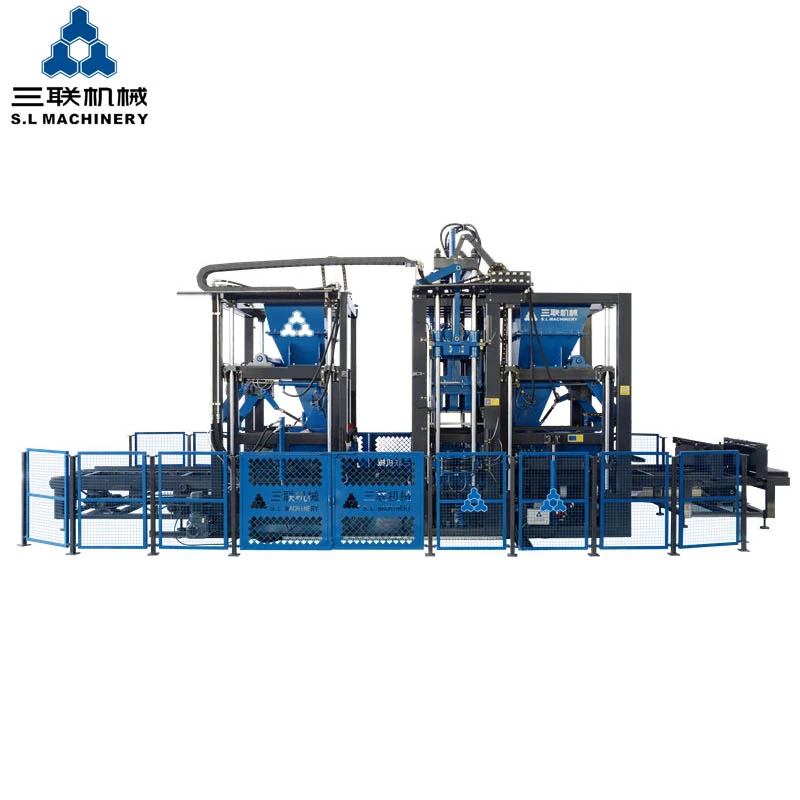
An independent cubing system consists of various interconnected components that work together to automate the cubing process. Here is a breakdown of how it functions:
The first step in the process is the intake of the products to be cubed. These products could be anything from concrete blocks to packaged goods, depending on the industry. The items are first transported along conveyors, where they are sorted according to specific criteria such as size, weight, and shape. Automated cubing equipment helps to categorize these products efficiently, ensuring they are handled correctly from the beginning.
Once the products are sorted, the next step is the actual cubing process. This involves stacking the items into neat, organized cubes or bundles for easy storage, transportation, and handling. The cubing process is typically carried out by robots or automated machines that can stack products in layers, adjusting the arrangement as necessary. These machines can also handle products of various sizes and weights, making them versatile for different production environments.
A crucial part of an independent cubing system is the integration of quality control mechanisms. Throughout the cubing process, the system uses sensors and cameras to monitor the products for defects or irregularities. If any issues are detected, the system can automatically reject faulty items, ensuring that only high-quality products are processed further.
Once the products are properly cubed, the next step is packaging and palletizing. The system can automatically wrap and secure the stacked products, preparing them for shipment. Automated cubing equipment helps to arrange the packages onto pallets, which are then ready to be transported to their destination. This automated handling process significantly reduces the time and labor required for packaging and shipping.
Another essential feature of an independent cubing system is its ability to integrate with other production systems. These systems often come with software that tracks production data in real-time. This data includes the number of products cubed, the time taken for each process, and any issues encountered during production. This allows manufacturers to monitor the efficiency of the system and make adjustments as needed.
Implementing an independent cubing system offers a wide range of benefits for manufacturing operations. Below are the key advantages:
The most significant advantage of an independent cubing system is the increase in efficiency. By automating the sorting, stacking, and packaging processes, the system reduces the need for manual labor, leading to faster production times. The system can work continuously, 24/7, without the need for breaks or rest periods, thus increasing overall throughput.
One of the main challenges in manual cubing systems is maintaining consistency. Human error can lead to uneven stacks, misplaced products, and inconsistencies in packaging. An automated cubing equipment ensures that each product is stacked and sorted with precision, leading to a more consistent final product. This is especially important in industries that require uniformity, such as the production of concrete blocks, where even slight variations can affect the quality of the end product.
Labor costs can be one of the highest expenses in manufacturing. An independent cubing system automates many of the tasks that would typically require human workers. This leads to a significant reduction in labor costs, as fewer workers are needed to perform repetitive tasks. The system also reduces the risk of workplace injuries, as heavy lifting and physically demanding tasks are handled by machines rather than employees.
Safety is a major concern in any manufacturing facility. Automated cubing equipment reduces the risk of accidents by taking over dangerous tasks such as lifting heavy items or stacking large quantities of products. This allows workers to focus on other tasks, such as overseeing operations or maintaining machinery, rather than being exposed to potential hazards.
An independent cubing system is highly flexible and can be adapted to a wide range of production needs. Whether you are working with heavy concrete blocks or smaller packaged goods, the system can handle different products with ease. It can also be customized to accommodate varying levels of automation, depending on the needs of the production line.
Handling products manually or with semi-automated systems can result in damage to delicate or fragile items. With automated cubing equipment, products are handled with greater care and precision, minimizing the risk of damage during production, stacking, and transport.
The integration of automated cubing equipment has transformed manufacturing processes across various industries. This equipment, which includes robots, conveyors, and sorting machines, plays a vital role in streamlining operations and enhancing efficiency. The automation of tasks such as sorting, stacking, and packaging has made it possible for manufacturers to meet the increasing demands for faster production while maintaining high-quality standards.
In industries such as concrete block production, where heavy materials need to be handled safely and efficiently, automated cubing equipment provides an invaluable solution. These systems ensure that products are cubed consistently and precisely, reducing the risk of errors and increasing the overall quality of the end product.
An independent cubing system is a game-changer in modern manufacturing. By automating the process of sorting, stacking, and packaging, these systems significantly improve efficiency, accuracy, and safety. Whether used in concrete block production, packaging industries, or other manufacturing processes, automated cubing equipment offers numerous benefits, from reducing labor costs to ensuring consistent product quality. As manufacturing continues to evolve, the importance of independent cubing systems in improving production workflows will only increase.
Copyright:@2020-2021

Comments Please sign in or sign up to post.
0
0 of 500 characters used