
First and foremost, recycled plastic cutting boards make a significant contribution to environmental protection. Every year, a large amount of plastic waste is generated globally, causing severe pollution to the environment. Recycled plastic cutting boards are made from recycled plastic waste through professional processing and treatment. This not only reduces the amount of plastic waste that ends up in landfills or oceans but also reduces the demand for new plastic raw materials. By reusing plastic waste, we can reduce the energy consumption and carbon emissions associated with the production of new plastics, there by alleviating the pressure on the ecological environment. It is a concrete practice of the concept of "reducing, reusing, and recycling".
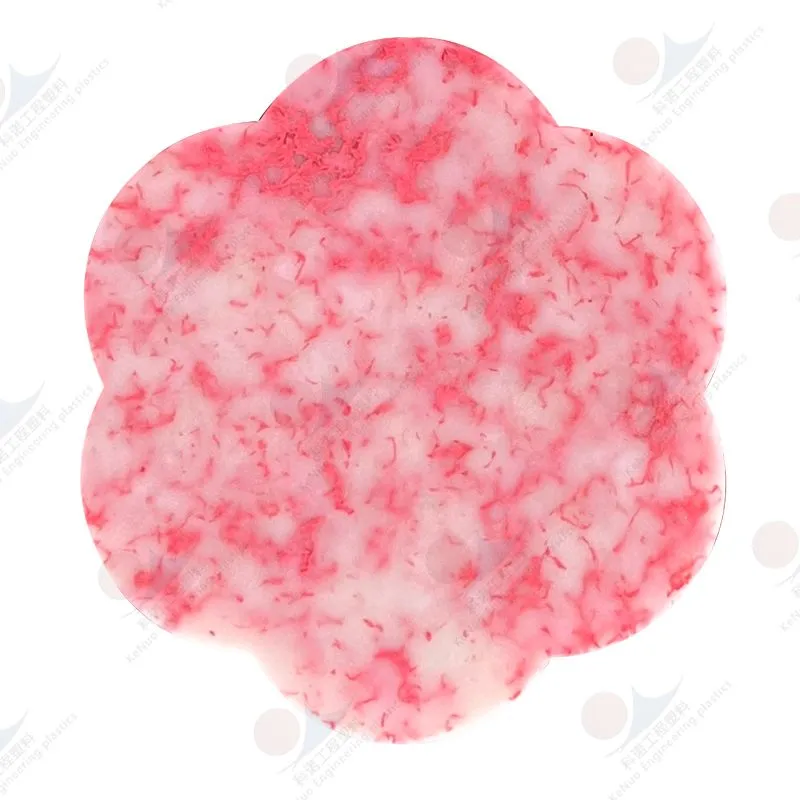
In terms of economy, recycled plastic cutting boards also have obvious advantages. Compared with cutting boards made of other materials such as solid wood or high-grade new plastics, the production cost of recycled plastic cutting boards is generally lower. This cost advantage is reflected in the market price, making them more affordable for consumers. For families, restaurants, and other places that need to use cutting boards in large quantities, choosing recycled plastic cutting boards can save a considerable amount of expenses. At the same time, due to their long service life, the average cost per use is lower, bringing long-term economic benefits.
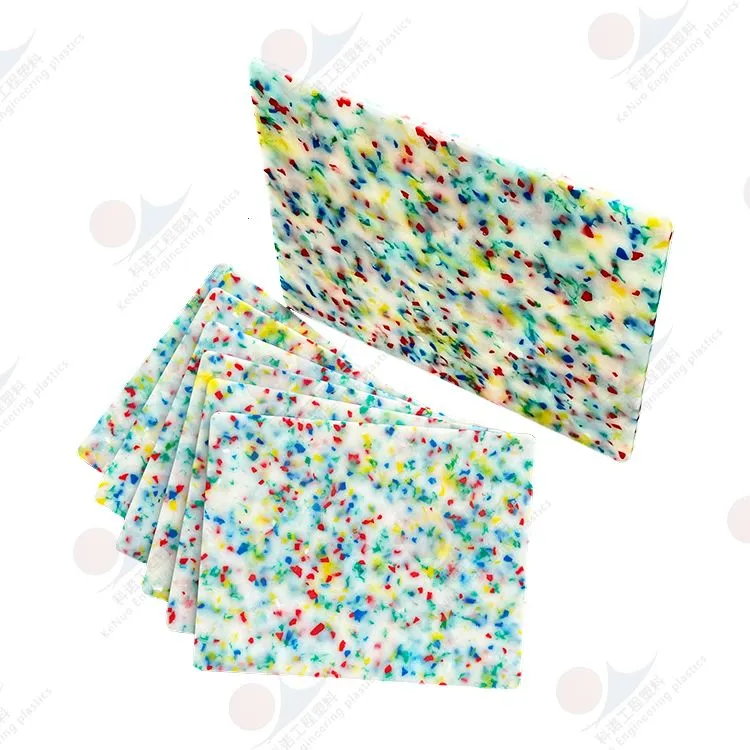
Durability is another prominent advantage of recycled plastic cutting boards. Recycled plastic, after special processing, has good hardness and toughness. It is not easy to crack, deform, or wear even after long-term use. Unlike wooden cutting boards, which are prone to mold and rot due to moisture absorption, recycled plastic cutting boards are not easily affected by water. They can maintain their original shape and performance for a long time, reducing the frequency of replacement. This durability not only saves costs but also reduces the waste of resources caused by frequent replacement of cutting boards.
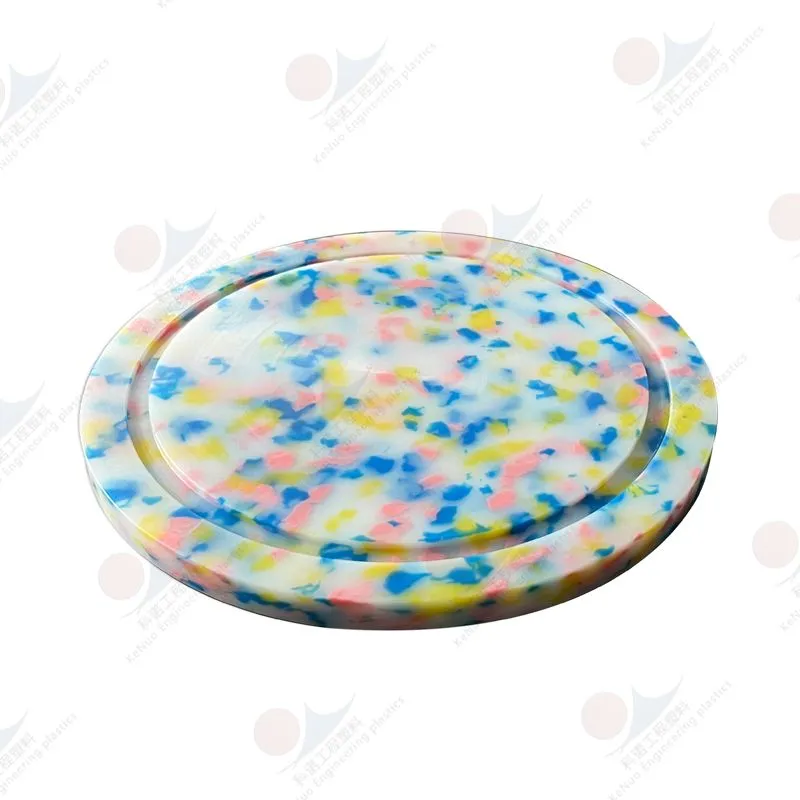
From a hygiene perspective, recycled plastic cutting boards also perform well. They have a smooth surface, which is not easy to hide dirt and bacteria. Compared with wooden cutting boards, which have pores that can trap food residues and bacteria, recycled plastic cutting boards are easier to clean. After use, simply rinse them with water or wipe them with a disinfectant cloth to keep them clean and hygienic. This is particularly important for food processing, as it can effectively reduce the risk of food contamination and protect people's health.

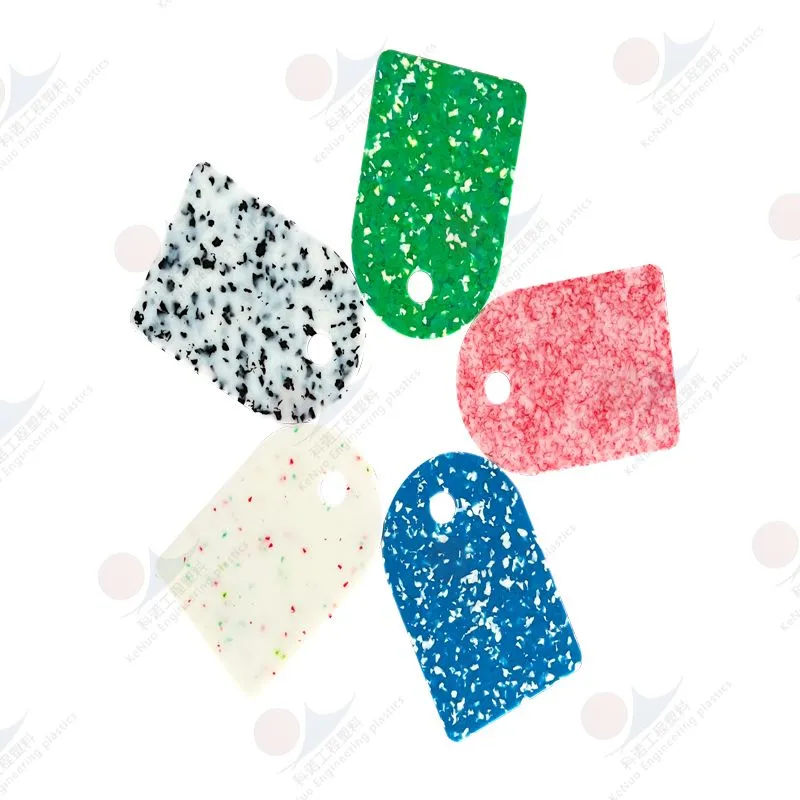
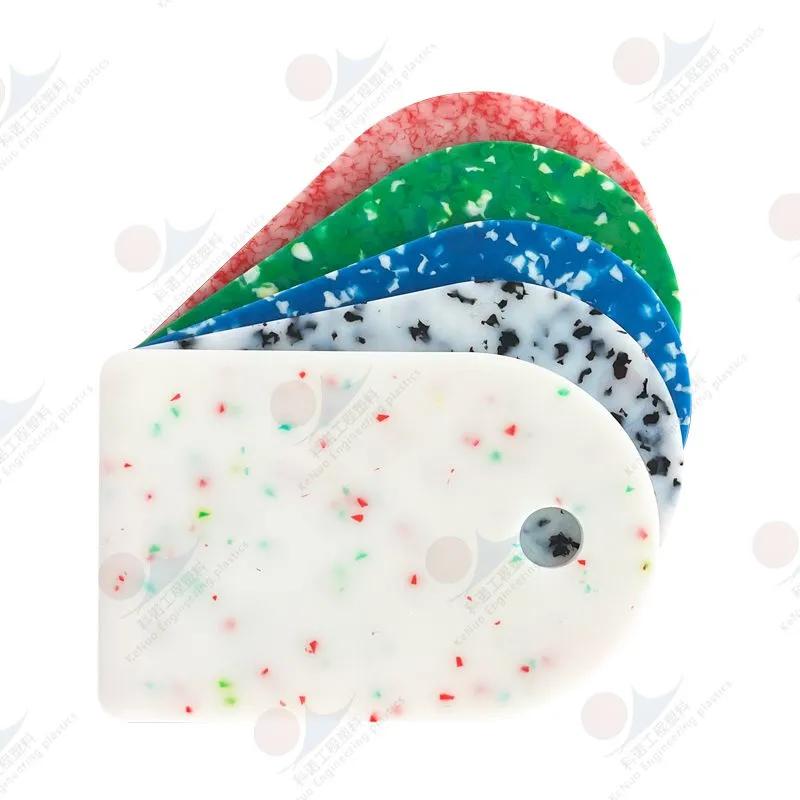
In addition, recycled plastic cutting boards have good versatility. They can be used for cutting various foods such as vegetables, fruits, meat, and seafood. Customers can also choose cutting boards of different shapes, sizes and colors according to their own usage. We can provide customization services. Please contact us at any time if needed.
Previous: UHMWPE Neutron Shielding Sheets: High-Performance Protection for Nuclear and Radiation Applications
Copyright:@2020-2021

Comments Please sign in or sign up to post.
0
0 of 500 characters used