
Cast iron pipes are made from molten iron, which is poured into molds to form the desired shape. These pipes are then subjected to high temperatures to increase their strength and durability. Cast iron has been used in plumbing systems for hundreds of years due to its longevity and resilience. The material is known for its ability to withstand high-pressure water flow, making it ideal for older plumbing systems in buildings and infrastructure.
Cast iron pipes are typically thicker than other types of pipes, which adds to their durability. However, they can be quite heavy and difficult to install, requiring specialized equipment and expertise. Over time, cast iron pipes may rust, which can cause blockages and leaks if not maintained properly.
Galvanized pipes are made from steel or iron that has been coated with a layer of zinc to prevent rust and corrosion. The zinc coating provides a protective barrier that prevents moisture and other elements from directly affecting the pipe. This coating helps extend the lifespan of galvanized pipes, making them resistant to corrosion for a number of years. Galvanized pipes are commonly used in residential and commercial plumbing systems, as well as in outdoor applications where rust resistance is needed.
The coating on galvanized pipes is relatively thin, and over time, it can wear down or become damaged. Once the zinc coating deteriorates, the pipe can begin to corrode and weaken. As with cast iron pipes, regular maintenance is necessary to keep galvanized pipes in good condition.
When it comes to durability, both cast iron and galvanized pipes have a strong reputation, but they differ in how long they last and under what conditions.
Cast iron pipes are known for their ability to withstand high levels of pressure and stress. They have a thick wall structure, which helps them resist impacts, making them suitable for heavy-duty use. Cast iron pipes can last up to 100 years or more when properly maintained. However, their durability is heavily dependent on their environment. Cast iron pipes are more prone to rust and corrosion over time, especially if exposed to moisture.
Galvanized pipes are durable but not as much as cast iron. The zinc coating provides some protection against rust, but it wears down over time. On average, galvanized pipes can last between 40 and 60 years. The lifespan is shorter than that of cast iron pipes, and once the zinc coating starts to erode, the pipe becomes vulnerable to corrosion and rust.
In areas with high levels of moisture, galvanized pipes tend to degrade faster. Once corrosion sets in, galvanized pipes are much harder to repair compared to cast iron, which is why many plumbers recommend replacing them once they show signs of wear.
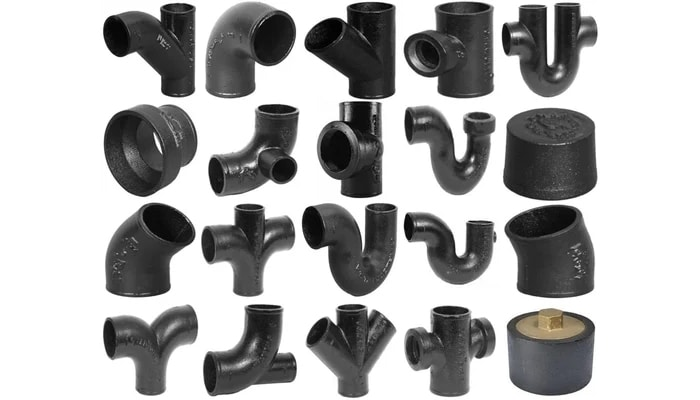
Corrosion resistance is one of the key considerations when selecting plumbing pipes. Both materials are subject to corrosion, but they behave differently over time.
Cast iron is more susceptible to corrosion, particularly when exposed to moisture or acidic conditions. Over time, the iron in the pipes reacts with water and oxygen, causing rust. This rust can block water flow and weaken the pipe. In areas with high humidity or where the pipes are buried underground, the risk of corrosion increases.
However, cast iron can resist corrosion for several decades if the system is properly maintained. Regular cleaning and inspection can help extend the life of cast iron pipes. If corrosion does occur, it’s usually localized, meaning that only a small section of the pipe may need to be replaced.
Galvanized pipes, while initially resistant to corrosion due to the zinc coating, are not immune to it. The zinc coating can wear off over time, especially in areas with hard water or high moisture levels. Once the zinc coating is gone, the steel or iron underneath begins to rust. The corrosion process in galvanized pipes can be faster than in cast iron pipes due to the thinner protective layer.
Additionally, corrosion in galvanized pipes can cause blockages that restrict water flow. The rust build-up can also lead to water discoloration, especially in older pipes. Homeowners with galvanized plumbing may notice a decrease in water pressure over time as corrosion continues to build up.
Cost and ease of installation are always important factors to consider when choosing a piping material. Let’s take a closer look at how cast iron and galvanized pipes compare in this regard.
Cast iron pipes are generally more expensive than galvanized pipes due to the manufacturing process and material costs. Additionally, the installation of cast iron pipes is more labor-intensive because they are heavier and harder to work with. Specialized tools are often required to cut and fit cast iron pipes, which can add to the installation cost.
However, while the upfront cost is higher, cast iron pipes are a long-term investment. They can last for decades or even over a century, making them a good choice for people looking for durable plumbing systems in commercial buildings or historical structures.
Galvanized pipes are less expensive than cast iron pipes, both in terms of material cost and installation. They are lighter and easier to handle, which reduces installation labor costs. Galvanized pipes are also relatively easy to cut and fit, making them a good choice for residential plumbing systems.
While galvanized pipes are cheaper initially, their lifespan is shorter than cast iron pipes. This means that over time, you may need to replace them, which can add to the overall cost. For homeowners on a budget, galvanized pipes may be a more affordable option, but for those planning for long-term use, cast iron may be a better investment.
Both cast iron and galvanized pipes have their own specific applications where they shine.
Cast iron pipes are primarily used in commercial, industrial, and municipal plumbing systems. Their ability to handle high pressure and large volumes of water makes them suitable for large-scale systems such as water mains, stormwater systems, and sewer lines. Cast iron is also used in the construction of older buildings, where its durability and long lifespan are essential.
While cast iron pipes are still used today, they are less common in residential plumbing systems due to the availability of other materials like PVC and copper.
Galvanized pipes are commonly found in residential plumbing systems. They are typically used for water supply lines, but over time, they have been phased out in favor of materials like PVC, PEX, and copper. However, galvanized pipes are still sometimes used for outdoor applications such as irrigation systems and outdoor plumbing.
They were widely used in homes built before the 1960s and are often found in older plumbing systems that need upgrading.
Both cast iron and galvanized pipes require regular maintenance to ensure their longevity and prevent failures.
Maintaining cast iron pipes involves periodic inspections for signs of rust and corrosion. It’s essential to clean the pipes regularly to remove any buildup that could cause blockages. Cast iron pipes should also be protected from excessive moisture and water exposure to prevent corrosion.
In cases where corrosion occurs, affected sections of the pipe can be replaced. The repair process for cast iron pipes is straightforward, as long as the problem is localized.
Galvanized pipes require maintenance to prevent the zinc coating from wearing off. In areas with hard water, mineral deposits can build up inside the pipes, accelerating corrosion. Regular flushing of the system can help reduce the risk of buildup.
Once galvanized pipes begin to show signs of rust or corrosion, they should be replaced. The repair process is often more difficult than with cast iron pipes, as the corrosion can be widespread and affect large sections of the pipe.
When comparing cast iron vs galvanized pipe, the choice depends on your specific needs and preferences. Cast iron pipes offer superior durability, corrosion resistance, and longevity, making them ideal for high-pressure and large-scale applications. However, they are more expensive and require specialized installation.
On the other hand, galvanized pipes are more affordable and easier to install. They are suitable for residential applications but have a shorter lifespan compared to cast iron. Over time, galvanized pipes may require replacement due to corrosion.
Copyright:@2020-2021

Comments Please sign in or sign up to post.
0
0 of 500 characters used