
Brass valves control liquid or gas flow. They are durable and corrosion-resistant. Many systems rely on Brass Valve technology. Understanding their function improves safety. Proper operation ensures efficient performance. Brass is ideal for high-pressure systems. Valves regulate, stop, or redirect fluid. They are used in homes, industries, and firefighting. Learning how they work prevents mistakes.
Brass valves come in several types. Gate valves stop or allow flow. Ball valves rotate to control passage. Globe valves regulate pressure precisely. Check valves prevent backflow. Each type has a unique mechanism. Choosing the right valve depends on application. Proper selection ensures longevity. Brass Valve design adapts to varied systems.
A typical valve has a body, stem, and seal. The body holds internal parts. The stem moves the internal mechanism. Seals prevent leakage under pressure. Handles or handwheels operate the valve. Internal gates, balls, or discs control flow. Brass Valve parts are machined for precision. Maintenance ensures reliable operation. Correct assembly maintains performance.
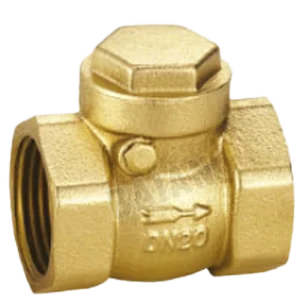
Turning the handle moves the internal element. Flow starts when the valve opens fully. Partially opening allows controlled flow. Closing stops movement completely. The design minimizes pressure loss. Brass Valve materials withstand high temperatures. Smooth flow ensures system efficiency. Correct operation prevents damage. Understanding flow is key for safety.
Gate valves use a flat gate to block fluid. Turning the handwheel lifts the gate. Water or gas passes when the gate rises. Closing lowers the gate to stop flow. These valves are durable and reliable. They handle high-pressure systems well. Brass Gate Valves are common in water supply. Proper handling ensures long-term use.
Ball valves rotate a spherical ball with a hole. Turning the handle aligns the hole with the pipe. Flow starts when aligned. Rotating perpendicular stops flow completely. Ball valves are fast to operate. They are ideal for quick shut-off needs. Brass Valve construction provides smooth rotation. Minimal leakage ensures efficiency.
Globe valves regulate flow precisely. Turning the handwheel moves a plug against a seat. Flow adjusts based on plug position. They provide smooth control and pressure regulation. Globe valves are common in heating systems. Brass Valve precision maintains accuracy. Fine control is essential in complex systems. Proper use prevents wear and tear.
Check valves prevent backflow automatically. Fluid moves in one direction only. Internal disc or ball blocks reverse flow. They protect pumps and pipes from damage. Brass Valve strength handles high pressure. They require no manual operation. Backflow prevention is critical in many systems. Regular inspection ensures reliability.
Install valves correctly to avoid damage. Align with pipeline and support weight. Ensure correct flow direction. Tighten connections without over-torquing. Leave space for maintenance access. Proper installation preserves function. Brass Valve design allows easy mounting. Following guidelines prevents leaks and failures.
Regular inspection prevents failure. Lubricate moving parts for smooth motion. Replace worn seals and washers. Check handle and stem function. Clean to prevent corrosion buildup. Brass Valve longevity depends on care. Maintenance reduces emergency failures. Correct procedures improve system safety.
Detailed Maintenance Checklist:
Inspect valves monthly for leaks
Lubricate stems and gates quarterly
Replace gaskets or washers as needed
Clean debris from internal components
Test operation under normal system pressure
Verify alignment and connection tightness
Check for corrosion or wear
Open valves slowly to avoid water hammer. Use smooth, steady pressure. Avoid excessive force on handles. Monitor flow and pressure gauges. Document valve operation for records. Train personnel on safe usage. Brass Valve operation requires practice. Efficient operation prevents system damage.
Fire systems rely on brass valves. They regulate hydrants and sprinklers. Gate valves and ball valves are common. They control high-pressure water effectively. Brass Valve durability is critical in emergencies. Regular maintenance ensures quick response. Fire safety depends on reliable valves. Proper handling prevents system failure.
Case Example:
A city fire department inspected hydrant valves weekly. Gate valves opened fully during drills. Ball valves allowed rapid shut-off. Fire safety improved with consistent maintenance.
Brass valves control steam, water, and air systems. They are used in oil, gas, and chemical plants. Ball and globe valves regulate industrial flow. Check valves prevent backflow damage. Brass Valve materials resist chemical corrosion. Industrial efficiency depends on smooth operation. Correct installation reduces downtime.
Case Example:
A chemical plant installed globe valves for precise flow. Check valves prevented pipeline backflow. Regular lubrication ensured reliability. Downtime decreased significantly.
Brass valves are common in homes. They control water to appliances. Gate valves shut off supply during repairs. Ball valves provide quick emergency shut-off. Brass Valve precision prevents leaks. Smooth operation ensures convenience. Maintenance extends lifespan. Homeowners rely on proper valve function.
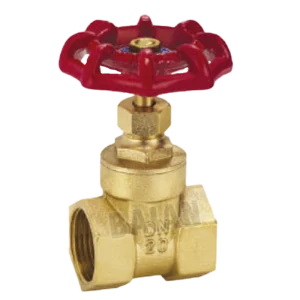
Brass valves manage liquid and air flow. They maintain pressure and control movement. Ball and globe valves adjust flow precisely. Check valves prevent system damage. Brass Valve materials handle pressure fluctuations. Regular inspection ensures efficiency. Hydraulic and pneumatic systems require reliable valves.
Leaking valves may need seal replacement. Sticking stems require lubrication. Handle damage reduces control. Debris can block valve movement. Flow inconsistencies indicate internal wear. Brass Valve troubleshooting involves inspection and repair. Regular checks prevent system failure. Quick action restores normal operation.
Use gradual pressure adjustments. Monitor downstream systems. Combine multiple valves for complex control. Avoid excessive cycling. Check for vibration or unusual noise. Document any irregularities. Proper technique increases valve lifespan. Skilled operators prevent accidents.
Brass valves are recyclable and long-lasting. Efficient flow reduces energy loss. Minimal leakage prevents water waste. Proper maintenance extends valve life. Environmentally conscious design supports sustainability. Brass Valve contributes to resource efficiency. Long-term durability reduces replacements. Sustainable practices protect systems and the environment.
Q1: How often should I maintain a brass valve?
A1: Inspect monthly, lubricate quarterly. Replace seals as needed.
Q2: Can a brass valve handle high pressure?
A2: Yes, Brass Valve materials resist high pressure.
Q3: What if the valve leaks?
A3: Check seals, clean debris, or replace worn parts.
Q4: Are brass valves suitable for hot water systems?
A4: Yes, they resist high temperatures effectively.
Q5: How do I prevent valve failure?
A5: Proper installation, regular maintenance, and careful operation.
Brass valves are essential for homes, industry, and firefighting. They regulate, control, and protect fluid systems. Gate, ball, globe, and check valves serve specific functions. Maintenance ensures reliability and longevity. Safe operation prevents accidents. Brass Valve materials provide durability and corrosion resistance. Understanding their mechanics improves system efficiency. Proper use, inspection, and care ensure safety and performance across all applications.
Previous: None.
Next: Is a Stainless Steel Trowel the Best Tool for Your Finishing Projects?
Copyright:@2020-2021

Comments Please sign in or sign up to post.
0
0 of 500 characters used