
Diameter reducing machine can process steel rods, rebar, round steel, and thread steel. A diameter reducing machine is a highly versatile tool used in various industries to alter the diameter of rods, pipes, and cylindrical workpieces with precision and efficiency. Its ability to handle a wide array of materials makes it an indispensable asset in manufacturing processes across sectors like automotive, construction, aerospace, and more. Understanding the types of materials a diameter reducing machine can process is crucial for manufacturers looking to optimize their production while maintaining quality standards. 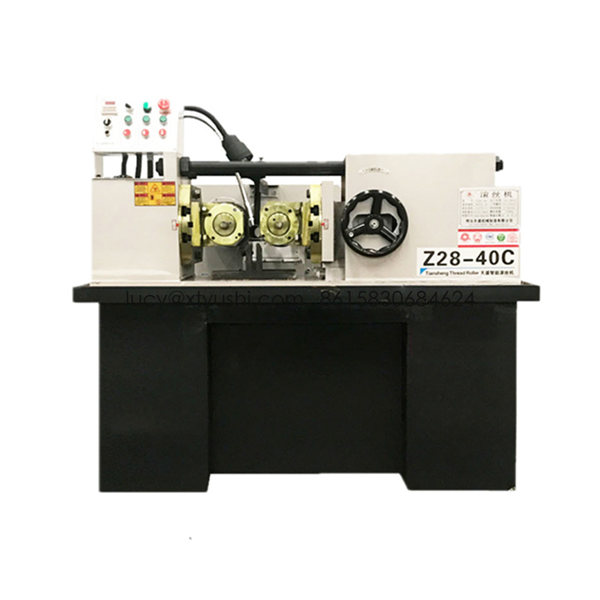
Carbon steel is one of the most widely processed materials in diameter reducing machines due to its strength, durability, and cost-effectiveness. Common applications of reduced-diameter carbon steel include structural frameworks, automotive components, and industrial machinery parts. Properties: High tensile strength, good machinability, and availability in various grades. Challenges: Requires machines with robust dies to handle the material’s hardness and prevent wear during high-volume production. Stainless steel is favored for its corrosion resistance, making it ideal for industries requiring high durability in harsh environments. Diameter reducing machines are commonly used to process stainless steel rods and tubes for applications like medical devices, food processing equipment, and decorative architectural components. Properties: Corrosion resistance, strength, and a polished surface finish. Considerations: Requires precision tools and well-lubricated processes to avoid surface damage during reduction. Aluminum is lightweight, strong, and corrosion-resistant, making it a staple material for aerospace, automotive, and construction applications. Diameter reducing machines excel at shaping aluminum rods and tubes into components like fuel lines, aircraft structural parts, and lightweight machinery components. Properties: Lightweight, high corrosion resistance, and excellent conductivity. Applications: Industries prioritizing weight reduction without compromising strength. Copper and brass are widely used in electrical, plumbing, and decorative applications. Their malleability and excellent conductivity make them suitable for processing in diameter reducing machines. Copper Properties: High electrical and thermal conductivity. Brass Properties: Corrosion resistance, aesthetic appeal, and good machinability. Titanium is a high-performance material known for its strength-to-weight ratio and corrosion resistance. It is commonly used in aerospace, medical, and high-end automotive applications. Properties: Lightweight, corrosion-resistant, and biocompatible. Challenges: Requires high-precision tools and optimized machine settings to avoid material fatigue during reduction. Advanced alloys such as Inconel, Hastelloy, and Monel are known for their performance in high-stress and high-temperature environments. Diameter reducing machines play a critical role in shaping these alloys into components like engine parts and exhaust systems. Properties: High-temperature resistance, strength, and corrosion resistance. Challenges: Require specialized machines with advanced cooling systems and hardened dies. Certain diameter reducing machines can also process rigid plastics and polymers, commonly used in lightweight structural components, piping systems, and insulation products. Properties: Lightweight, corrosion-resistant, and non-conductive. Applications: Construction, electronics, and consumer goods industries. For manufacturers, the ability to process diverse materials enhances production flexibility and cost-effectiveness. High-quality machines, such as those provided by YUSHI, are designed to accommodate a wide range of materials, helping businesses meet stringent quality standards and industry demands.1. Carbon Steel
2. Stainless Steel
3. Aluminum and Aluminum Alloys
4. Copper and Brass
5. Titanium
6. Alloys for Aerospace Applications
7. Plastics and Polymers
Why Material Versatility Matters
Copyright:@2020-2021

Comments Please sign in or sign up to post.
0
0 of 500 characters used