
Stainless steel pipes play a crucial role in oil and gas piping systems due to their exceptional durability, corrosion resistance, and ability to withstand high temperatures. Understanding the applications of stainless steel pipes can alleviate various issues faced by engineers and operators in the oil and gas industry. This article delves into the significance of stainless steel pipes in these systems, providing insights into their practical uses, benefits, and performance metrics.
Stainless steel pipes offer a range of advantages, including:
Corrosion Resistance
High Strength-to-Weight Ratio
High-Temperature Resistance
Longevity and Low Maintenance
Recyclability
Stainless steel's resistance to rust and corrosion extends the lifespan of pipes in harsh environments.
These pipes provide robust support with less material, enhancing system efficiency.
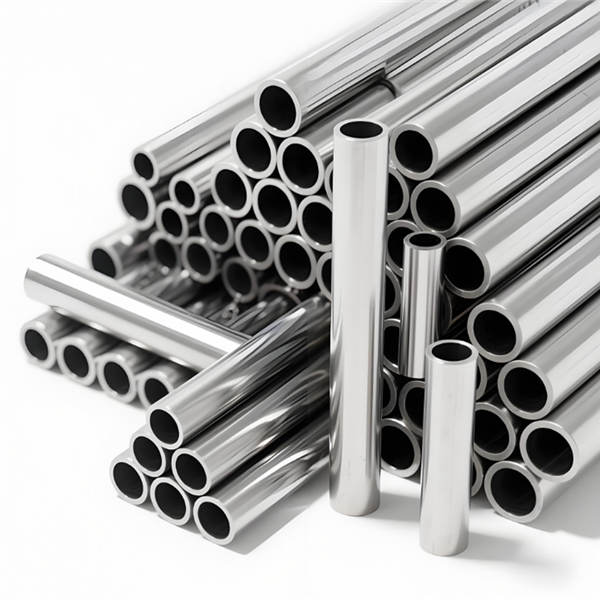
Stainless steel pipes can withstand extreme temperatures, making them ideal for various processes.
Due to their durability, these pipes require minimal upkeep, saving costs.
Stainless steel is 100% recyclable, leading to a smaller environmental footprint.
Stainless steel pipes are utilized in various applications:
Pipeline Construction
Refinery and Processing Plants
Storage Tanks
Gas Gathering and Distribution
In pipeline construction, stainless steel provides a reliable solution for transporting oil and gas efficiently.
These pipes withstand harsh chemicals and high temperatures during the refining process.
Stainless steel's corrosion resistance makes it suitable for storage applications in various liquids and gases.
In gas distribution systems, stainless steel pipes ensure safety and reliability over extensive networks.
The industry employs various types of stainless steel pipes, including:
Seamless Stainless Steel Pipes
Welded Stainless Steel Pipes
Structural Stainless Steel Pipes
These are preferred for applications requiring high pressure and temperature.
Ideal for applications where a budget-friendly option is essential.
These pipes provide additional strength in construction contexts.
When installing stainless steel pipes in oil and gas applications, consider:
Pipe Support and Spacing
Welding Methods
Thermal Expansion
Corrosion Protection Measures
Proper supports ensure structural integrity and prevent sagging.
Selecting appropriate welding techniques is vital to maintain corrosion resistance.
Understanding thermal expansion properties aids in fitting considerations.
Implementing coatings can extend the pipe's operational lifetime.
Regular maintenance enhances safety, including:
Routine Inspections
Cleansing and Flushing Systems
Leak Detection Technologies
Frequent inspections help identify potential issues before they escalate.
Regular cleansing prevents buildup that can lead to corrosion.
Advanced technologies provide real-time monitoring and safety alerts.
Understanding the cost-effectiveness of stainless steel pipes includes:
Initial Investment vs. Longevity
Maintenance Cost Comparison
Operational Efficiency
While initial costs may be higher, the long-term savings from durability and maintenance costs are substantial.
Stainless steel typically has lower maintenance costs compared to other materials.
Efficient operation leads to reduced energy costs, making stainless steel a cost-effective choice.
In conclusion, stainless steel pipes are vital in oil and gas piping systems, providing a blend of durability, efficiency, and safety. For manufacturers like Qingze, investing in high-quality stainless steel products ensures reliability and satisfaction for overseas buyers and distributors.
Previous: None.
Copyright:@2020-2021

Comments Please sign in or sign up to post.
0
0 of 500 characters used