
Air Source Heat Pumps have rapidly gained traction as a flexible and efficient solution in the HVAC industry. This surge in popularity can be attributed to their capacity to provide both heating and cooling, making them a versatile option for homeowners looking to enhance comfort while lowering energy costs. With the increasing emphasis on sustainability, the importance of air source heat pump service is more pronounced than ever, offering a smart alternative to traditional heating methods. In the United States, residential heating and cooling account for nearly 50% of energy consumption, leading to the search for efficient solutions like ASHPs that deliver an average of 3-4 units of heat for every unit of electricity used.
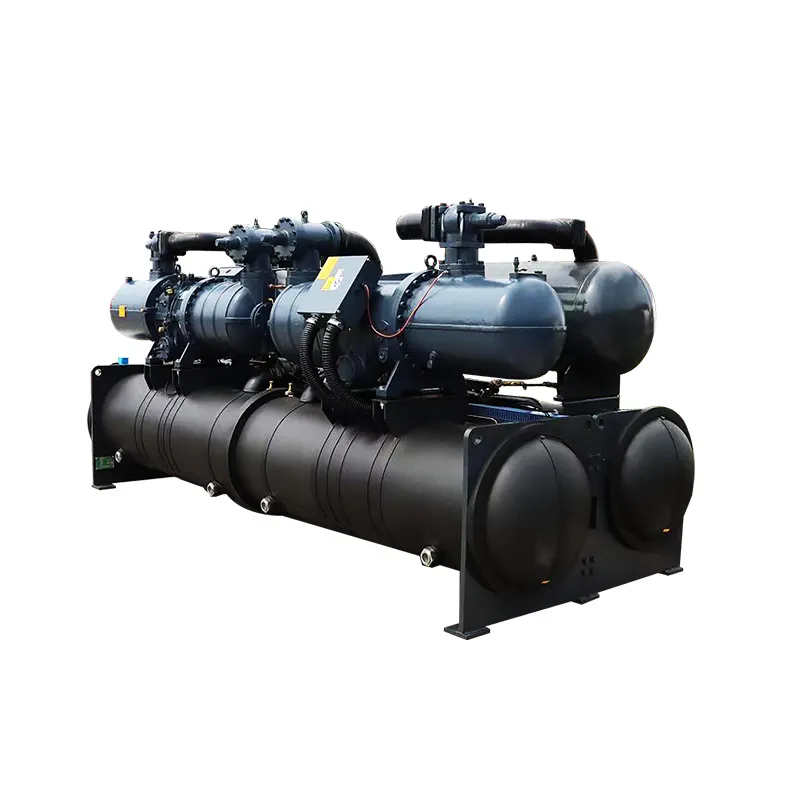
An air source heat pump is a mechanical device that transfers heat from the outside air into a building, functioning as both a heater and an air conditioner. In heating mode, it absorbs heat from the outside air and delivers it indoors; in cooling mode, it reverses this process. The efficiency of ASHPs is measured in coefficient of performance (COP), where a value of 3.0 indicates that for every 1 kWh of electricity used, 3 kWh of heat is produced, showing a significant energy efficiency compared to traditional heating systems.
Coefficient of Performance (COP): A measure of a heat pump's efficiency, calculated by dividing the amount of heat produced by the amount of energy consumed.
Heating Seasonal Performance Factor (HSPF): A rating indicating the efficiency of the heating mode of a heat pump. A higher HSPF value means better energy efficiency.
Air source heat pumps are used in various sectors, including:
Residential HVAC Systems: These systems provide year-round comfort and energy savings for homeowners.
Commercial Buildings: Offers efficient climate control in retail spaces, offices, and warehouses, leading to large reductions in energy costs.
Industrial Heating: Frequently utilized in processes requiring moderate heating levels, minimizing both carbon footprint and fuel costs.
Hot Water Supply: ASHPs can efficiently heat water for domestic use, providing a sustainable alternative to gas or electric water heaters.
Understanding why air source heat pumps are essential involves recognizing their key benefits:
Energy Efficiency: ASHPs can reduce energy consumption by 30-40% compared to conventional heating systems, with some systems achieving efficiencies exceeding 400%.
Environmental Impact: By utilizing renewable air resources and reducing reliance on fossil fuels, ASHPs play a crucial role in lowering greenhouse gas emissions.
Cost-Effective: Homeowners can expect a return on investment, as the initial installation cost can be offset by decreased utility bills— estimates suggest savings can exceed $500 annually.
Dual Functionality: The versatility of ASHPs means they can both heat and cool spaces efficiently, offering year-round climate control.
If you are considering switching to an air source heat pump system, the next steps involve researching more about installation services, exploring different brands such as ZKN, and consulting user guides to understand your options better. Engaging with professionals who specialize in air source heat pump service can ensure that you choose the right system tailored to your home’s needs.
Previous: Top Global Carbon Steel Pipe Fittings Suppliers In 2026
Next: Digital Scales Redefine Food Industry Enhanced Quality through Precision Measurement
Copyright:@2020-2021

Comments Please sign in or sign up to post.
0
0 of 500 characters used