
Are you facing issues with your UV Water Sterilizer installation? Many homeowners encounter common pitfalls that can compromise the effectiveness of their water purification systems. Understanding these mistakes is crucial, as improper installation not only diminishes the sterilizer's performance but may also lead to costly repairs. By avoiding these errors, you can ensure safe drinking water and extend the lifespan of your system. This article will outline critical installation mistakes, provide actionable solutions, and guide you through a seamless setup process.
Why: Sizing your UV sterilizer improperly can result in inadequate disinfection of water. Operation: Ensure that you choose a UV sterilizer that matches your household's water flow rate. For instance, WELGO's sterilizers come in various capacities, such as 3 GPM and 12 GPM, catering to different needs. If your demand exceeds the unit's capability, you risk insufficient UV exposure time, which can lead to bacterial survival.
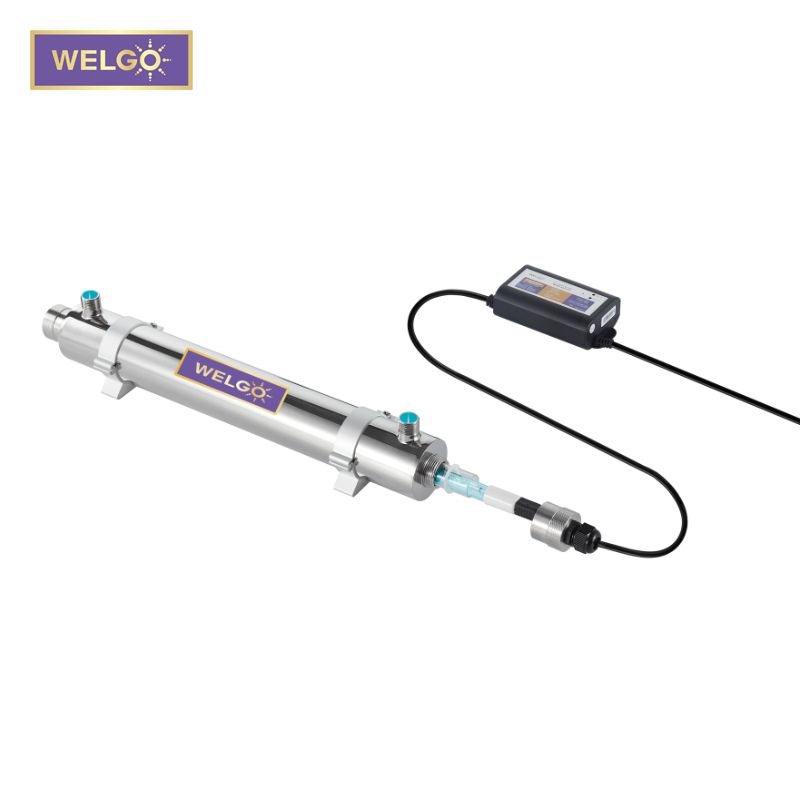
Why: Skipping pre-filtration can damage the UV lamp and reduce its effectiveness. Operation: Install sediment filters before your UV system to remove larger particles and ensure crystal-clear water enters the sterilizer. This process prevents UV lamp fouling which, according to the "American Water Works Association," can reduce UV effectiveness by up to 50%.
Why: Improperly installed electrical connections can lead to safety hazards and malfunction. Operation: Follow the manufacturer's guidelines carefully for electrical setup. For example, always connect the WELGO UV sterilizer to a dedicated circuit to prevent overloads, and ensure that all wiring is insulated and compliant with local electrical codes.
Why: Neglecting regular UV lamp maintenance leads to decreased disinfection efficiency. Operation: Schedule annual replacements of your UV lamp as they lose efficacy over time. According to the "Environmental Protection Agency," UV lamps should be replaced after 9000 hours of use or usually once a year. Implement a reminder system to ensure you stay on schedule.
Why: Installing the unit in an unsuitable location impacts its performance. Operation: Place your UV sterilizer in a cool, dry area where it won't be exposed to excessive heat or moisture. Ideal location temperature should be between 40°F and 100°F, as recommended by WELGO, to ensure optimal performance.
Why: Failing to test water quality before and after installation can lead to unaddressed issues. Operation: Use a testing kit to measure parameters such as pH, sediments, and microbial content. Regular testing helps you to evaluate the UV sterilizer's effectiveness and determine if additional filtration methods are needed.
Previous: Cranberry Apple Quinoa Salad: A Nutritionist-Approved Balanced Meal Guide
Next: Understanding Automate Auxiliary for CNC Pipe Threading Machine and Its Industrial Value
Copyright:@2020-2021

Comments Please sign in or sign up to post.
0
0 of 500 characters used