
A hydraulic parking brake valve is an essential component of a vehicle's braking system that helps control the parking brake mechanism using hydraulic pressure. It is typically used in commercial vehicles, large trucks, and fleet vehicles, where a secure parking brake is necessary to keep the vehicle stationary when not in use.
Engaging the Parking Brake: The valve controls the hydraulic pressure needed to engage the parking brake.
Releasing the Parking Brake: The valve also regulates the release of hydraulic pressure, allowing the brake to be disengaged smoothly.
Maintaining Stability: It ensures that the vehicle remains securely parked, even when on slopes or uneven surfaces.
In fleet operations, safety is always the top priority. Hydraulic parking brake valves provide a high level of security for vehicles, especially those that are parked in busy environments, such as construction sites or distribution centers. When parking a vehicle on an incline or when it is left unattended, the hydraulic brake system ensures that the vehicle does not roll away, preventing accidents or property damage.
Preventing Accidents: A malfunctioning or inefficient parking brake could lead to unintended vehicle movement, which could result in costly accidents.
Reducing Vehicle Damage: Ensuring that the vehicle remains stationary reduces the risk of rolling into obstacles, curbing potential damage to the vehicle itself or surrounding assets.
Improved Driver Confidence: Knowing that the parking brake system is dependable helps drivers feel secure when parking their vehicles.
Fleet vehicles often operate under challenging conditions, including rough terrain, inclement weather, and long hours. The hydraulic parking brake valve plays a critical role in ensuring that the parking brake mechanism works efficiently in these demanding conditions.
Unlike traditional mechanical brake systems, hydraulic systems are more reliable and durable, providing smoother and more controlled braking. Hydraulic brake valves are resistant to wear and tear, which is crucial for commercial and fleet vehicles that undergo frequent use.
Consistent Performance: Hydraulic systems are less prone to failure compared to mechanical parking brakes, especially in high-use environments.
Longer Lifespan: Because hydraulic systems are less exposed to external elements, they tend to last longer, requiring fewer replacements and reducing maintenance costs.
Better Control: With hydraulic pressure, parking brake control is more precise, offering superior reliability compared to mechanical alternatives.
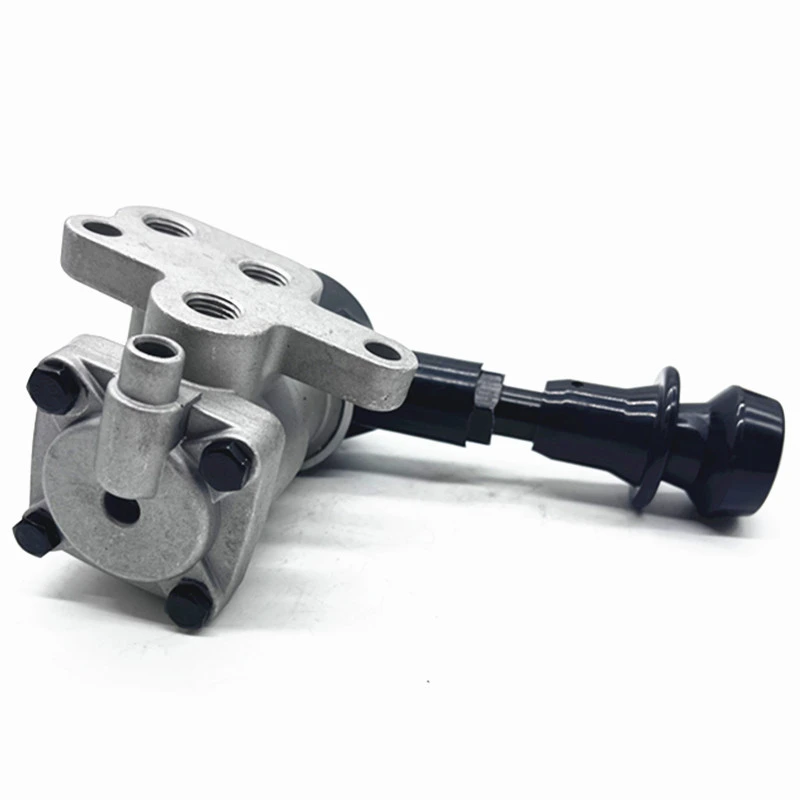
Managing a fleet of vehicles involves maintaining operational efficiency while ensuring all vehicles are in top condition. A well-functioning hydraulic parking brake valve contributes to fleet management by minimizing the risks of accidents and costly repairs. When hydraulic parking brakes are in optimal working condition, fleet managers can be confident in the performance of their vehicles.
Reduced Maintenance Costs: Hydraulic systems require fewer repairs and replacements compared to mechanical systems, leading to lower maintenance costs.
Improved Operational Efficiency: With fewer issues to address regarding parking brake malfunctions, fleet managers can focus on other operational challenges.
Simplified Maintenance Procedures: Hydraulic parking brake systems are easier to troubleshoot and maintain, as they have fewer moving parts than traditional mechanical systems.
The time lost due to vehicle malfunctions or downtime is detrimental to any fleet operation. When hydraulic parking brake valves are functioning correctly, fleet vehicles experience less downtime for repairs or parking brake-related failures. This translates to better fleet productivity and the ability to maintain deadlines and service schedules.
Quick Engagement/Disengagement: The hydraulic parking brake valve allows for quick and seamless operation of the parking brake, minimizing time spent on parking and ensuring that drivers can get in and out of the vehicle quickly.
Avoiding Delays: A secure parking brake system ensures vehicles are ready for use at all times, reducing delays caused by parking brake malfunctions.
A hydraulic parking brake valve works by using hydraulic pressure to control the operation of the parking brake. When the parking brake is engaged, hydraulic fluid is directed to the brake mechanism, causing it to lock the wheels and prevent the vehicle from moving.
The system is activated either manually or automatically, depending on the vehicle type and configuration. Once the vehicle is parked, the driver can engage the parking brake valve, and the system will apply the brake with the right amount of force to keep the vehicle stationary.
Pressure Control: Hydraulic fluid is pressurized by the vehicle’s pump and directed to the brake system.
Smooth Operation: The hydraulic system ensures a smooth application of force, avoiding the jerky motion that can sometimes occur with mechanical brakes.
Automatic or Manual Control: The valve may be operated via a manual lever or an automatic switch, depending on the vehicle setup.
Though hydraulic parking brake valves are durable and reliable, they can encounter issues over time, especially in high-use vehicles. Here are some common problems fleet operators might face:
Leakage: Hydraulic fluid leaks can cause a loss of pressure and malfunction of the brake system.
Clogged Valve: Dirt or debris can clog the valve, preventing it from opening or closing correctly.
Failed Seals: Worn or damaged seals can lead to hydraulic fluid leakage, causing brake failure.
System Imbalance: An imbalance in the hydraulic fluid system can lead to uneven braking or a failure to engage the parking brake.
Proper maintenance of the hydraulic parking brake valve is essential to ensure long-lasting performance. Fleet managers should implement regular inspections to check for leaks, fluid levels, and signs of wear. Ensuring the valve remains clean and free from contaminants will help maintain its functionality and extend its lifespan.
The hydraulic parking brake valve is an essential component in ensuring the safety, reliability, and efficiency of fleet operations. From preventing accidents to enhancing the durability of vehicles, hydraulic parking brake valves play a critical role in modern fleet management.
Copyright:@2020-2021

Comments Please sign in or sign up to post.
0
0 of 500 characters used