
Industrial machine knives, also known as mechanical industrial blades, are essential tools in various manufacturing processes. Their significance has grown immensely due to the increasing demand for precision and efficiency in production. In industries like metalworking, woodworking, and plastics, having the right type of blade can resolve common pain points such as material waste and production downtime. For instance, when using traditional cutting methods, companies often encounter jagged cuts and longer processing times, which can lead to decreased productivity and increased costs. In contrast, high-quality industrial knives can improve cutting accuracy and substantially enhance operational efficiency.
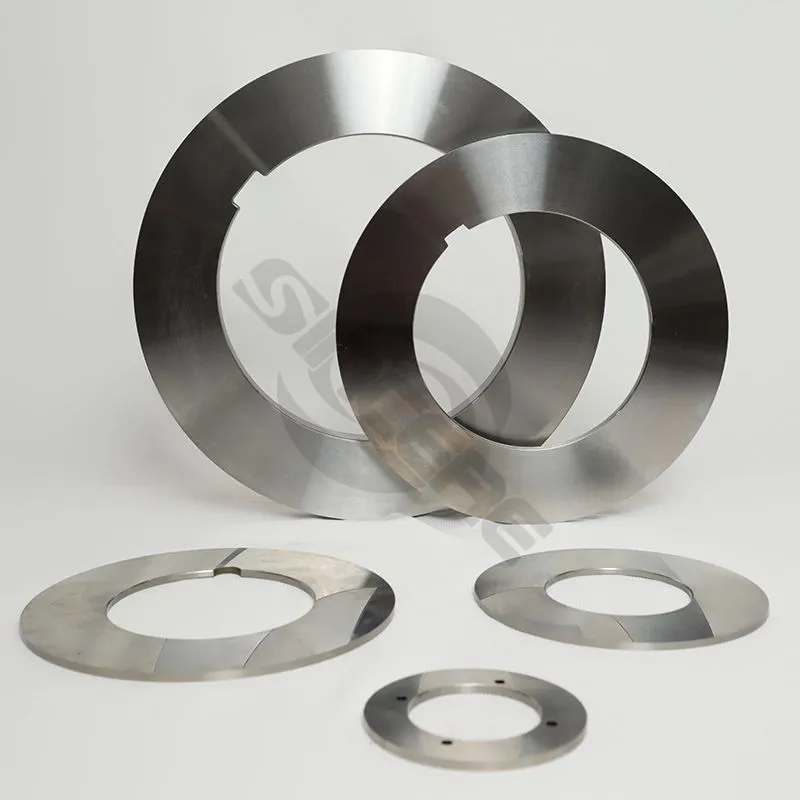
Industrial machine knives refer to a category of cutting tools designed for specific applications in various industries. These blades are crafted from high-performance materials and are engineered to endure the demanding conditions of a high-speed manufacturing environment. Common terms related to this field include:
Cutter Blades: Typically used for softer materials like wood or plastic.
Shear Blades: Designed for cutting thick and abrasive materials.
Rotary Blades: Often employed in applications requiring constant circular motion.
Understanding these terms can help professionals choose the right blade based on their operational needs.
Industrial machine knives find applications across numerous sectors, including:
Woodworking: These blades are critical for high-precision cuts in furniture production, cabinetry, and plywood making. According to a report by the Woodworking Machinery Manufacturers of America (WMMA), the use of specialized blades in woodworking has resulted in a 20% reduction in material waste.
Metal Fabrication: In metal industries, cutting tools must withstand extreme pressure and temperature. Industrial blades designed for metal can maintain sharpness longer and reduce downtime by up to 30%, as found in studies by the Metalworking Manufacturing & Fabrication magazine.
Plastics Manufacturing: The demand for efficient cutting in plastics has led to the innovation of blades that can cut through various grades of plastic without dulling quickly. A recent report from Plastics News indicated that using advanced machine knives can enhance throughput by 25%.
Investing in high-quality industrial machine knives provides several compelling advantages:
Increased Efficiency: Studies show that using specialized blades can improve cutting speeds by up to 50%, thereby enhancing overall production rates.
Cost-Effectiveness: Although the initial investment may be higher, the longevity and reduced maintenance costs of quality blades can lead to a return on investment (ROI) of up to 120% over five years.
Reduced Waste: Enhanced cutting accuracy can lead to less material wastage, translating to direct cost savings for manufacturers. On average, transitioning to high-performance blades has reduced scrap rates by 15%.
For those looking to invest in industrial machine knives, we recommend starting with a comprehensive user guide that can help determine the best blade type for your needs. This guide will cover material specifications, cutting speeds, and maintenance tips to ensure the longevity of your equipment. Consider checking out brands like Sincere, known for their reputable quality and customer service.
Previous: None.
Next: Factors Affecting the Performance of Ultrasonic Flowmeters
Copyright:@2020-2021

Comments Please sign in or sign up to post.
0
0 of 500 characters used