
As mobile and industrial hydraulic systems face increasing demands, the need for effective lubrication solutions becomes paramount. Graphene lubricants present a revolutionary advancement over conventional lubricants, promising enhanced protection, reduced friction, and extended service life. This article explores the unique attributes of Graphene Oil Additives, highlighting the immense benefits they deliver to hydraulic systems.
Graphene lubricants combine traditional oil with two-dimensional graphene sheets, known for their superior strength and thermal conductivity. These additives significantly enhance the performance of lubricants.
High thermal stability
Superior anti-wear properties
Enhanced durability
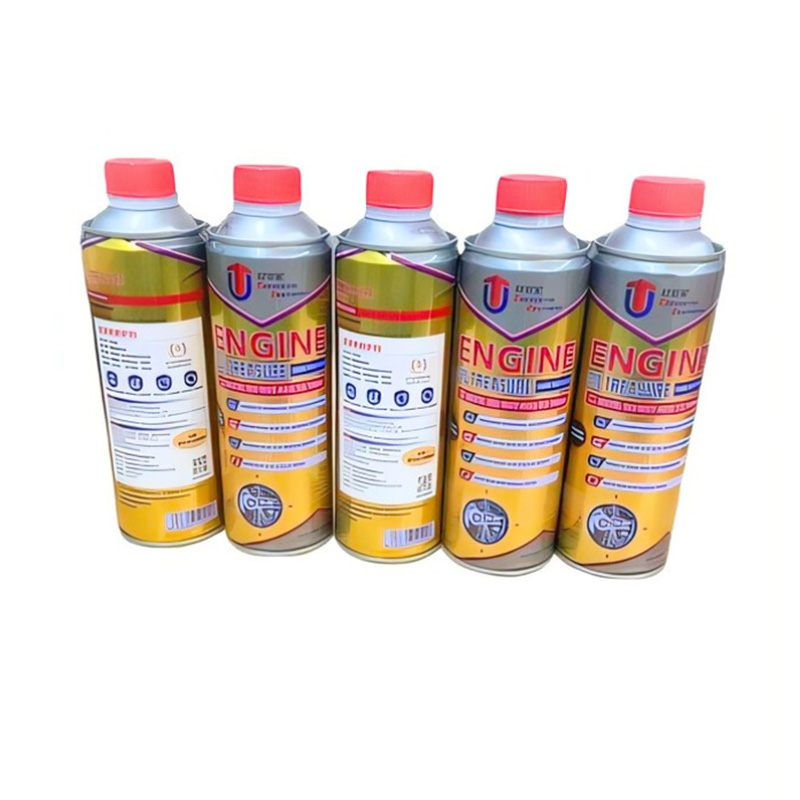
Protecting hydraulic systems is essential for ensuring operational efficiency and reducing maintenance costs. Without proper lubrication, systems can face wear and tear that can lead to unexpected failures.
Increased friction leading to overheating
Pitting and surface damage
Reduced efficiency and machinery lifespan
The integration of graphene additives into hydraulic systems offers substantial advantages, such as:
Graphene-enhanced lubricants significantly extend the life of hydraulic components by minimizing wear and tear.
These lubricants reduce friction dramatically, leading to improved energy efficiency and reduced fuel consumption.
The unique characteristics of graphene allow it to withstand high temperatures, ensuring stability under extreme conditions.
| Feature | Graphene Lubricants | Traditional Lubricants |
|---|---|---|
| Wear Protection | Excellent | Good |
| Thermal Stability | High | Moderate |
| Viscosity Range | Wide | Narrow |
| Environmental Impact | Lower | Higher |
Implementing graphene lubricants in hydraulic systems involves:
Identify the suitable graphene lubricant for your system.
Drain the existing lubricant safely.
Clean the system parts thoroughly to prevent contamination.
Refill with the chosen graphene lubricant ensuring appropriate levels.
Monitor performance and make adjustments as necessary.
In summary, using graphene lubricants in mobile and industrial hydraulic systems is a forward-thinking solution to enhance protection, efficiency, and overall system reliability. As technology advances, embracing such innovations leads to substantial cost savings and improvements in operational performance.
Previous: Tesla Paint Protection Film: The Ultimate Shield for Your Tesla’s Finish
Next: Automobile Headlight
Copyright:@2020-2021

Comments Please sign in or sign up to post.
0
0 of 500 characters used