
When searching for auto engine parts, buyers are often looking for clear information on how each component works, how to select high-quality replacements, and what factors influence engine performance and durability. This guide provides a complete overview for automotive distributors, repair shops, and technical users looking to make informed purchasing decisions.
Auto engine parts refer to the mechanical components that enable an internal combustion engine to operate efficiently, including air-intake, fuel-delivery, ignition, lubrication, and cooling systems. Each part plays a specific role in ensuring power output, fuel economy, and engine longevity.
Auto engine parts are typically categorized into:
Core engine components
Fuel and air system components
Ignition and electrical components
Lubrication and cooling components
Sensors and electronic control components
Understanding these categories helps buyers identify the exact parts required for replacement, repair, or performance upgrades.
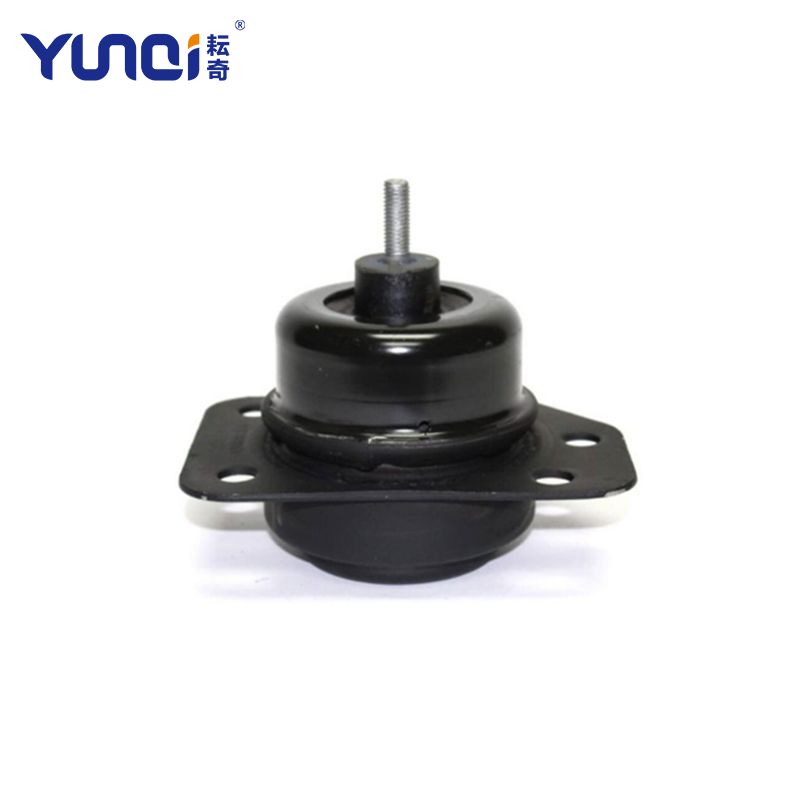
These form the structural foundation of the engine.
Engine block houses the cylinders and supports the crankshaft.
Cylinder head contains combustion chambers, valves, and passages for air and fuel.
A high-quality block or head ensures durability, heat resistance, and stable operation under high loads.
These convert combustion energy into mechanical force.
Pistons move within the cylinders.
Piston rings maintain compression and prevent oil leakage.
Connecting rods transfer motion to the crankshaft.
Inadequate quality here leads to oil consumption, low compression, and poor engine performance.
These synchronize mechanical movements.
Crankshaft converts linear piston motion into rotation.
Camshaft controls valve timing.
Precision machining is critical to avoid vibration and timing issues.
They regulate airflow into and out of the combustion chamber.
Accurate opening and closing timing directly affects power and fuel efficiency.
Includes injectors, fuel pump, and fuel rails.
Modern engines rely on precise fuel atomization for clean combustion and optimal power delivery.
Spark plugs, ignition coils, and sensors work together to ignite the air-fuel mixture.
Faulty components cause misfires and unstable engine operation.
Radiator, water pump, thermostat, and cooling hoses prevent overheating.
Proper cooling significantly extends engine life.
Oil pump, oil filter, and lubrication passages ensure friction reduction and smooth operation.
Poor quality components lead to premature wear or engine seizure.
Modern engines use dozens of sensors such as:
Oxygen sensor
MAP/MAF sensor
Crankshaft position sensor
Knock sensor
These feed data to the ECU for precise control of fuel, air, and ignition timing.
Ensure compatibility based on:
Engine model
Vehicle make and year
Part number
OEM-level accuracy prevents installation issues and performance loss.
Look for:
Heat-resistant alloys
CNC machining accuracy
Proper surface finishing
High-quality seals and bearings
These directly influence durability.
Reliable suppliers typically provide:
ISO/TS16949 or IATF 16949 certification
Quality inspection reports
Traceable production batches
This helps minimize defects and ensures consistent performance.
For standard replacement: choose OEM-equivalent parts.
For performance engines: choose reinforced materials, lightweight pistons, or high-flow valves.
Cheaper parts often result in:
More frequent replacements
Higher labor costs
Lower engine efficiency
Choosing quality parts saves long-term expenses.
Engine overheating due to poor cooling components
Misfires from worn spark plugs or coils
Oil consumption caused by failed piston rings
Low power output from clogged injectors
Noise or vibration from worn bearings or crankshaft issues
Check-engine light triggered by malfunctioning sensors
Identifying the root cause early helps prevent major engine damage.
Replace oil and filters on schedule
Use high-quality lubricants
Regularly inspect belts, hoses, and cooling systems
Monitor fuel system cleanliness
Check sensors and electrical connectors periodically
Consistent maintenance reduces wear on engine parts and improves reliability.
Stock fast-moving parts such as filters, spark plugs, injectors, and sensors
Use part-number-based inventory systems
Provide fitment charts for customers
Keep essential consumables on hand
Source from certified suppliers to avoid counterfeit parts
Choose parts with warranty support
The automotive industry relies heavily on durable, high-precision auto engine parts to ensure optimal vehicle performance and longevity. Whether you are a distributor, wholesaler, repair shop, or fleet operator, understanding key components, quality indicators, and purchasing criteria helps prevent engine failures and improve operational efficiency. Choosing reliable, well-manufactured engine parts ensures safe driving, reduced maintenance costs, and long-lasting engine performance.
Previous: Neta V Spare Parts: Complete Guide to Replacement Components and Maintenance
Next: Which Type of Semi-Truck Brake Lining Replacement Is Best for You?
Copyright:@2020-2021

Comments Please sign in or sign up to post.
0
0 of 500 characters used