
In the world of machinery and manufacturing, radial shaft seals play a critical role in ensuring efficiency and longevity. These seals are essential components that prevent the leakage of fluids and contaminants between rotating shafts and stationary parts. As industries progressively prioritize reliability, the need for high-performance sealing solutions has arisen. This article will delve into what radial shaft seals are, their applications, benefits, and why they are crucial in various fields. Additionally, we will explore user pain points and the solutions that radial shaft seals provide, making them indispensable in modern machinery.
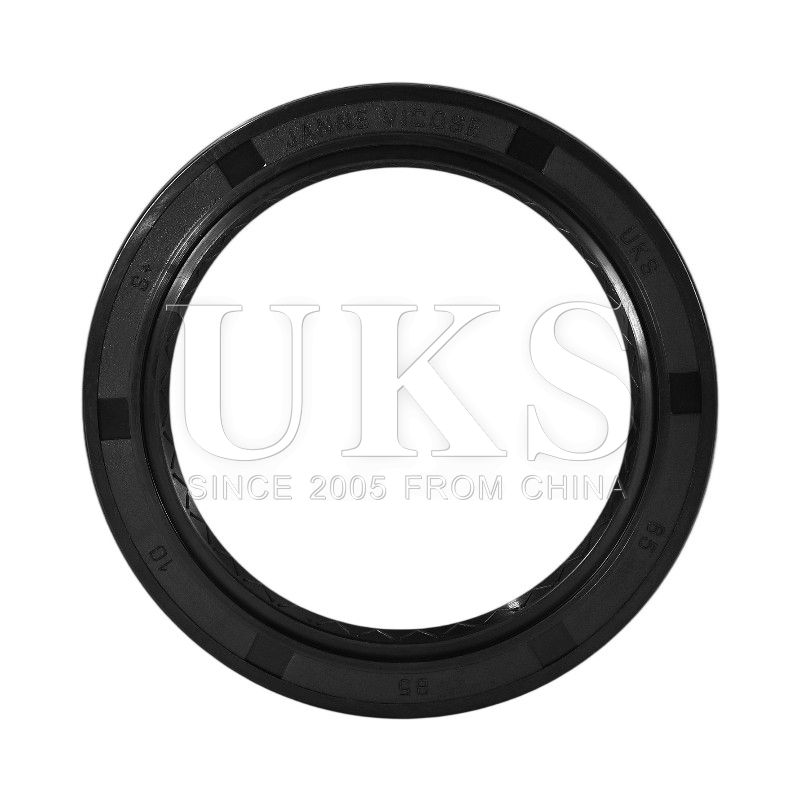
Radial shaft seals, also referred to as lip seals or rotary seals, are designed to seal the space around a rotating shaft within equipment, preventing the emission of lubricants and the intrusion of contaminants. These seals typically consist of a flexible sealing lip made from elastomer materials and a rigid outer casing that ensures a secure fit within the machinery housing.
In industry terms, radial shaft seals are vital in maintaining mechanical integrity and operational efficiency, mitigating wear and tear on moving parts due to excess dirt or grease loss.
Radial shaft seals find extensive use across multiple industries, including:
Automotive Sector: In vehicles, radial shaft seals are utilized in engines and transmissions to contain oils and prevent leakage, enhancing performance and reliability.
Industrial Machinery: Equipment such as pumps, compressors, and gearboxes rely on these seals to protect internal components from external contaminants.
Aerospace Applications: Radial seals are crucial in aircraft engines and hydraulic systems, where the prevention of fluid loss can ensure safety and efficiency.
Marine Technology: In the marine industry, seals protect critical machinery against corrosive saltwater environments.
With high-performance standards, precision engineering, and durability, radial shaft seals are a paramount choice for applications needing robust sealing solutions.
The advantages of radial shaft seals are significant, emphasizing their importance in various applications:
Leak Prevention: Radial seals are specifically designed to prevent fluid leakage, reducing operational costs associated with maintenance and lost lubricants. Reports indicate that proper sealing can reduce lubrication loss by up to 90%, boosting machinery longevity.
Contaminant Filtration: These seals effectively block harmful particles and dust, contributing to smoother operations and reducing the frequency of repairs—an essential factor in industries that experience high wear scenarios.
Enhanced Efficiency: By maintaining a proper seal, these components allow equipment to operate at optimal levels, potentially improving the efficiency of hydraulic systems by around 25%, as noted in various industry studies.
To fully understand the operation and maintenance of radial shaft seals, users are encouraged to consult detailed user guides provided by manufacturers, such as UKS. These guides cover installation procedures, troubleshooting methods, and performance optimization tips to ensure that users can effectively implement these seals in their machinery.
1. How do I know if my radial shaft seal is failing?
Common signs include oil leaks, abnormal noises from the machinery, and visible wear of the seals. Regular inspections can help catch these issues early.
2. Can I use radial shaft seals in high-temperature environments?
Yes, specialized radial shaft seals are designed to withstand high temperatures. Always choose seals that match your specific temperature requirements.
3. What materials are best for radial shaft seals?
The most common materials for manufacturing seals include nitrile rubber, polyurethane, and silicone. The choice depends on the application and operating conditions.
4. Is there maintenance required for radial shaft seals?
While radial seals are generally low-maintenance, routine inspections can help in identifying signs of wear or damage before they become a bigger issue.
For those wanting to dive deeper into the topic of radial shaft seals and understand their implications for industrial applications, exploring guides from reputable brands like UKS will be beneficial.
Radial shaft seals are more than just mechanical components; they are essential for the efficiency and longevity of machinery in various industries. Understanding their significance, application scenarios, and inherent advantages can empower users to make informed decisions. With the right information and guidance, businesses can greatly enhance their operational performance and reduce costs related to equipment failure.
Previous: None.
Next: Unidirectional Carbon Fibre Fabric for Building Reinforcement
Copyright:@2020-2021

Comments Please sign in or sign up to post.
0
0 of 500 characters used