
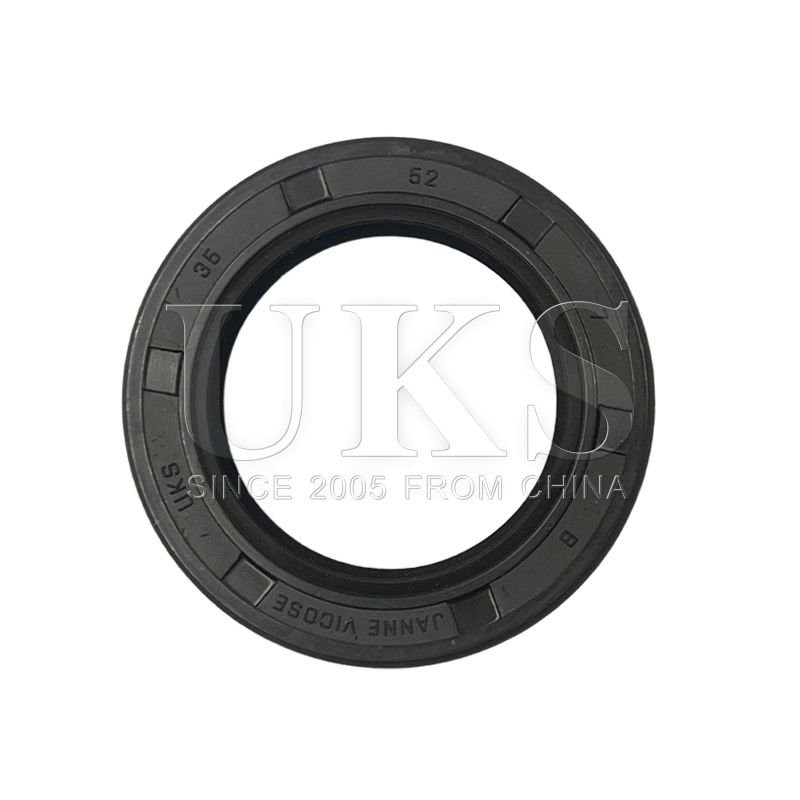
Choosing the best radial oil seals can be challenging, especially with an array of options available in the market. Users often encounter issues like improper sealing, premature wear, or leakage. These concerns typically arise from selecting seals that do not meet the specifications for temperature, pressure, or compatibility with fluids. In this article, we will explore practical solutions for these pain points through real user experiences, in-depth guidance, and expert recommendations, focusing on the brand UKS for reliable options.
Before diving into the selection process, gather the following materials and tools:
Measurement Tools: Calipers or a micrometer to measure shaft dimensions.
Material Data Sheets: Access to compatibility charts for fluids and operational temperatures.
Sourcing Information: Suppliers or catalogs that include UKS radial oil seals.
Installation Tools: Basic hand tools and seal installation kits to successfully fit the seals.
Measure the diameter and width of the shaft where the seal will be installed. Accurate measurements are imperative, as seals are typically sized to a thousandth of an inch. Double-check your measurements to avoid ordering the wrong size.
Evaluate the operating conditions: temperature, pressure, and exposure to specific fluids. For instance, if your application involves high temperatures, choose seals made from materials like PTFE, which can withstand temperatures up to 260°C. Failure to match your seal with these parameters could lead to a 40% increase in wear rate, resulting in premature failure.
Each seal has a unique design suited for specific applications. For example, consider lip type seals for their ability to handle leakage effectively. A user case from the automotive sector highlighted that switching to a UKS lip seal reduced oil leakage by 60%, significantly improving engine performance.
Consult material compatibility charts to ensure your chosen seal material can withstand the effects of oils, chemicals, and temperatures. Not adhering to this could lead to a degradation rate of 30%, decreasing the seal's lifespan drastically.
Leverage information from industry experts or user reviews online to determine the reliability of various brands. Brands like UKS frequently receive recommendations for their durability and performance across diverse applications.
Use dedicated installation tools to avoid damaging the seals during fitting. Failure to install properly can create a misalignment that may lead to system failure. For instance, improper installation caused an agricultural equipment user to experience a 25% reduction in operational efficiency, which reversed only when correct techniques were applied.
Common Error: Choosing the wrong material for the application.
Solution: Always review material compatibility before making a purchase. Keep handy a list of successful material choices used in similar applications.
Common Error: Over-tightening during installation.
Solution: Follow the manufacturer’s torque specifications to avoid damaging the seal or reducing its effectiveness.
Choosing the best radial oil seals involves careful consideration of specifications, environmental factors, and expert recommendations. Users should thoroughly assess their needs and avoid common pitfalls by following these outlined steps. The experiences of other users, like those using UKS seals, show substantial improvements in performance and longevity when the right seals are selected and properly installed.
A radial oil seal is designed to prevent the leakage of lubricants while retaining them within an application, often used in rotating shafts.
The lifespan of a radial oil seal varies based on the material, operating conditions, and how well it is installed. Generally, proper selections can lead to operational effectiveness for several years.
Yes, with the right tools and knowledge, one can replace radial oil seals. However, it’s crucial to follow recommended procedures to ensure a successful installation.
Previous: UHMWPE Neutron Shielding Sheets: High-Performance Protection for Nuclear and Radiation Applications
Next: None.
Copyright:@2020-2021

Comments Please sign in or sign up to post.
0
0 of 500 characters used