
A handheld fiber laser welding machine uses a high-powered fiber laser to create precise and clean welds. Unlike traditional welding methods such as MIG or TIG welding, which require a more complex setup, fiber laser welding is faster, cleaner, and more efficient. The handheld design offers flexibility, allowing operators to weld in hard-to-reach areas and perform repairs quickly without the need for cumbersome equipment.
The key feature of a fiber laser welding machine is the fiber laser source, which produces a focused beam that melts and fuses materials together. The handheld nature of the device means it can be used for both production line work and on-site repairs, making it highly versatile.
One of the key reasons why handheld fiber laser welding machines are replacing traditional methods is their superior precision. The laser beam used in these machines is focused and controlled, allowing for more accurate welds with minimal heat-affected zones. This results in cleaner, stronger, and more durable joints, which is essential for industries like aerospace, automotive, and electronics.
In contrast, traditional welding methods often produce wider heat-affected zones, which can lead to deformation or weakening of the welded material. The precision of fiber laser welding minimizes these risks, resulting in higher-quality welds.
Handheld fiber laser welding machines offer faster welding speeds compared to traditional welding methods. Traditional welding techniques can require multiple steps, such as preheating and post-weld cleaning, which can be time-consuming. On the other hand, fiber laser welding requires fewer steps, speeding up the overall welding process.
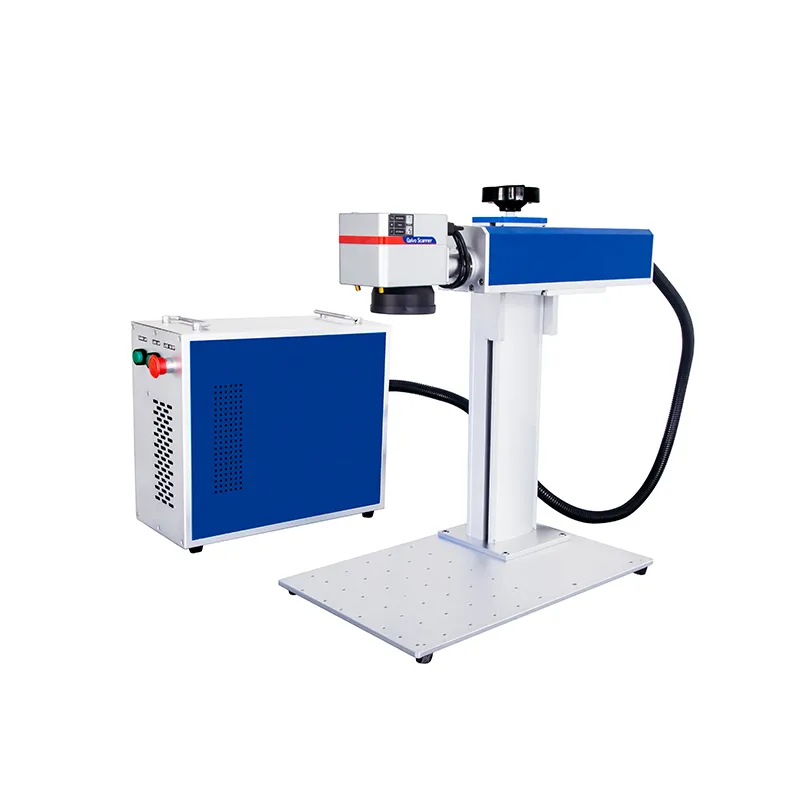
For example, the 20w Fiber Laser Marking Machine and the 30w Fiber Laser Marking Machine can both perform fast, high-quality welds in a fraction of the time it would take with traditional welding equipment. This increased efficiency not only improves productivity but also reduces labor costs.
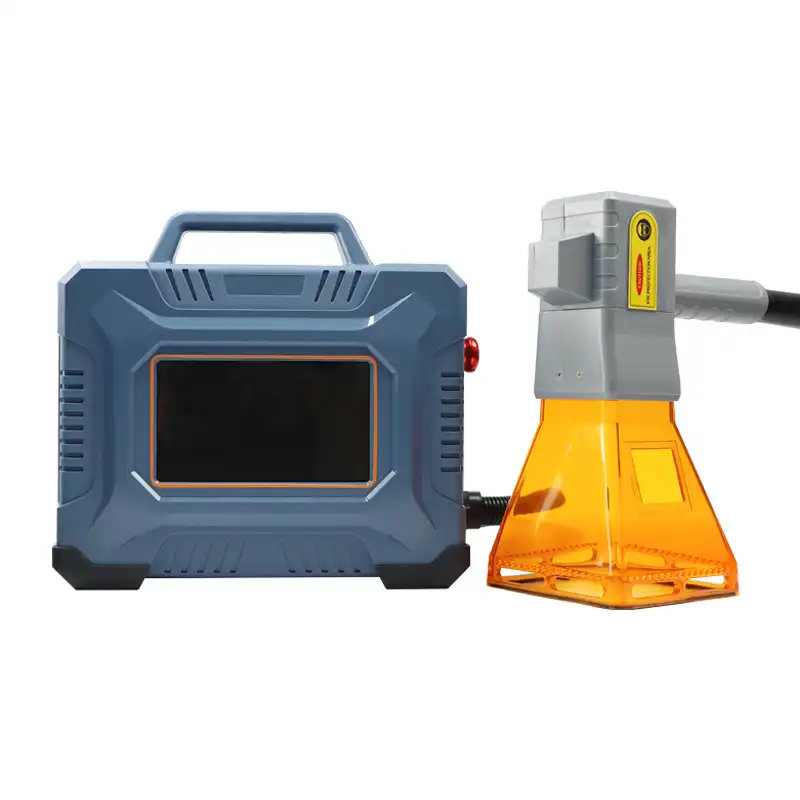
Traditional welding methods often cause significant distortion and warping of materials due to the high heat input. This is especially problematic when working with thin materials or sensitive components. Handheld fiber laser welding machines, however, use a focused laser beam with low heat input, minimizing the risk of material distortion.
This feature is particularly advantageous when welding high-precision parts or materials that are prone to warping under heat, such as delicate metal alloys. With handheld fiber laser welding, the heat-affected zone is smaller, and the overall distortion is minimal.
Handheld fiber laser welding machines are highly versatile, capable of welding a wide range of materials, including stainless steel, aluminum, copper, and titanium. Traditional welding methods often require different machines or settings for different materials, making the process more complex and time-consuming.
With the flexibility of fiber laser welding, operators can quickly switch between materials without the need for extensive adjustments or equipment changes. This versatility allows industries to streamline their production processes and reduce the need for multiple machines.
Unlike traditional welding machines, which require frequent maintenance, handheld fiber laser welding machines are designed to be low maintenance. The fiber laser source has a long lifespan and requires less upkeep than conventional welding equipment. Additionally, these machines use fiber optics, which means there are no moving parts in the laser path, further reducing the likelihood of wear and tear.
This results in lower operating costs over the long term. Traditional welding machines, on the other hand, often require regular maintenance, such as replacing consumable parts, cleaning, and calibration, all of which can increase operational costs.
One of the most significant reasons handheld fiber laser welding machines are replacing traditional methods is their mobility and accessibility. Traditional welding equipment is typically large and stationary, requiring the operator to be in a fixed position. In contrast, handheld fiber laser welding machines allow operators to move freely and work in various positions, even in tight or hard-to-reach spaces.
This flexibility is especially important in industries where on-site repairs are necessary, such as automotive and construction. Technicians can easily carry handheld fiber laser welding machines to the job site, reducing the need for transportation of large equipment.
Handheld fiber laser welding machines are more user-friendly compared to traditional welding machines. Traditional welding methods often require a high level of skill and experience, as well as intense physical effort. Fiber laser welding, however, requires less physical labor due to the lightweight design and ease of operation.
The 50w Fiber Laser Marking Machine and similar models provide a comfortable user experience, reducing operator fatigue and the learning curve. Operators can focus on accuracy rather than struggling with the physical demands of traditional welding methods.
Safety is a critical concern in welding, and handheld fiber laser welding machines offer several safety advantages over traditional methods. For example, fiber laser welding produces minimal spatter, which reduces the risk of burns or fires. Additionally, the controlled and focused laser beam reduces the chance of accidents during operation.
Traditional welding methods, such as arc welding, can produce hazardous fumes, sparks, and intense heat, requiring extensive protective gear. Fiber laser welding, on the other hand, produces fewer fumes and offers a cleaner work environment, making it safer for operators.
Handheld fiber laser welding machines are also more environmentally friendly compared to traditional welding methods. Traditional welding can produce harmful fumes and waste materials, which can have negative environmental effects. Fiber laser welding, however, generates minimal waste and produces fewer emissions, making it a more sustainable option for companies looking to reduce their carbon footprint.
Although the initial investment in a handheld fiber laser welding machine may be higher than traditional welding equipment, the long-term savings are significant. The reduced need for maintenance, fewer consumables, and increased efficiency all contribute to lower overall costs.
Furthermore, the high-quality welds produced by fiber laser welding can reduce the need for rework or repairs, further improving cost efficiency. Traditional welding methods, with their higher risk of defects and more extensive post-weld processing, can lead to increased costs in the long run.
Handheld fiber laser welding machines are replacing traditional welding methods in various industries. Some of the key applications include:
Automotive Industry: Handheld fiber laser welding is ideal for precision welding of automotive parts, such as chassis and body components.
Aerospace: The aerospace industry uses fiber laser welding for welding critical components, where precision and minimal distortion are essential.
Electronics: These machines are used for welding small electronic parts, providing high precision for delicate components.
Jewelry and Watchmaking: Fiber laser welding is used for intricate welding tasks in jewelry and watchmaking, where precision is paramount.
Construction and Metal Fabrication: Fiber laser welding machines are ideal for welding large metal structures and offering high-quality joins for various applications.
The shift from traditional welding methods to handheld fiber laser welding machines is revolutionizing the industry. With their superior precision, speed, versatility, and low maintenance costs, these machines offer clear advantages over conventional methods. Whether you are in automotive manufacturing, aerospace, or electronics, handheld fiber laser welding machines provide an efficient and cost-effective solution for all your welding needs. As the technology continues to evolve, it’s clear that these machines will only become more integral to modern manufacturing processes, making traditional welding methods a thing of the past.
Previous: How often should hoists and slings be formally inspected?
Next: The essential aspects of sourcing reliable suppliers for tyre granules recycling machines
Copyright:@2020-2021

Comments Please sign in or sign up to post.
0
0 of 500 characters used