
Bearings are mechanical elements designed to facilitate motion by supporting and reducing friction between moving parts. Without them, many modern machines, vehicles, and tools would not be able to function efficiently. By enabling parts to move with minimal resistance, bearings help reduce energy loss, wear, and the need for frequent maintenance.
Whether you’re driving a car, operating heavy machinery, or using household appliances, bearings are working behind the scenes to make sure everything moves smoothly. Let’s dive deeper into the various types of bearings and their uses.
Deep groove ball bearings are one of the most commonly used types of bearings. They are designed to carry both radial and axial loads and are found in a wide variety of machines and devices. These bearings have deep grooves that help hold the balls in place, ensuring a stable and smooth rotation.
Common Uses: Deep groove ball bearings are used in motors, pumps, bicycles, and many household appliances. Their versatility makes them ideal for applications requiring low friction and efficient operation.
Advantages: They can support high-speed rotations and are generally very durable and low-maintenance.
Grooved bearings are a specific type of bearing that incorporates a groove or channel in the outer ring. These grooves can help reduce friction by allowing for smoother movement of the inner parts. Grooved bearings are typically used when there is a need for reduced vibration and noise.
Common Uses: These bearings are often used in applications where motion is constant, such as in conveyor systems or industrial machinery.
Advantages: The grooved design helps distribute the load more evenly, leading to longer service life and more efficient operation.
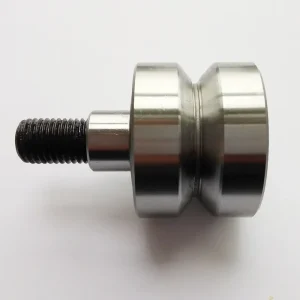
Bearing roller tracks are designed to guide and support rolling elements such as rollers or balls. These tracks are essential in systems that require linear motion, as they allow for smooth sliding or rolling of the components.
Common Uses: Bearing roller tracks are often used in industries such as automotive, aerospace, and manufacturing. They are crucial in conveyor systems, sliding doors, and even in robotic arms.
Advantages: These tracks allow for high load capacities while maintaining smooth and quiet motion, which is essential for precise operations.
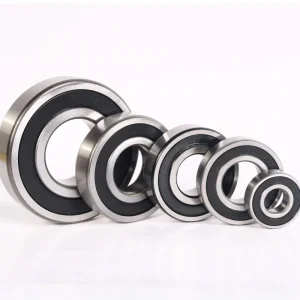
The primary function of a bearing is to reduce friction between moving parts. By supporting the rotating elements (like a shaft or a wheel), bearings allow these components to move smoothly without wearing out quickly. This friction reduction is crucial for preventing overheating and prolonging the life of the machinery.
Example: In a deep groove ball bearing, the inner and outer rings move with minimal friction, which reduces energy loss and keeps the machine running efficiently.
Bearings also play an essential role in supporting radial and axial loads. Radial loads are those that act perpendicular to the bearing shaft, while axial loads are forces that act parallel to the shaft. The ability of bearings to handle these loads is key to their versatility.
Example: Grooved bearings are often used in situations where both types of loads need to be managed simultaneously, ensuring the machine operates smoothly under heavy stress.
Bearings enable smooth and continuous motion, whether it’s rotary or linear. Without bearings, parts in machines would experience more friction, resulting in jerky or slow motion. Bearings help achieve the smooth flow needed for efficient operations.
Example: Bearing roller tracks ensure the smooth movement of items along a conveyor system by guiding them along a path, preventing damage and ensuring a smooth transfer.
Bearings are integral to automotive design, from wheel hubs to transmission systems. Deep groove ball bearings are commonly used in wheel hubs, allowing the wheels to rotate smoothly and with minimal resistance. Bearings are also used in engines, steering mechanisms, and air conditioning systems.
Example: In a car engine, bearings support the moving parts of the engine, reducing friction between the pistons and cylinders.
Everyday appliances, such as washing machines, refrigerators, and blenders, rely on bearings for smooth operation. Grooved bearings are frequently used in these appliances to reduce noise and vibration while maintaining performance. They help support rotating components and ensure efficiency.
Example: In washing machines, bearings allow the drum to spin smoothly, reducing the noise during the spin cycle.
Bearings are indispensable in heavy machinery used in manufacturing, mining, and construction. These machines often need to support large loads and operate under extreme conditions. Bearing roller tracks are commonly used in conveyor systems to ensure efficient movement of goods.
Example: In a conveyor system, bearing roller tracks help move heavy items from one place to another with minimal friction and wear.
In aerospace and robotics, precision is everything. Bearings play a critical role in ensuring smooth, accurate movements. In these applications, grooved bearings and deep groove ball bearings are often used to reduce friction and prevent premature wear on high-speed moving parts.
Example: In robotics, bearings are used to ensure that joints and motors move precisely, which is essential for performing tasks such as assembling parts or performing delicate surgeries.

To maintain their performance, bearings must be properly lubricated. Lubricants reduce friction and prevent wear, helping the bearings last longer. Different types of bearings may require different types of lubricants, depending on their application and operating conditions.
Example: Deep groove ball bearings typically require grease or oil lubrication to ensure smooth operation and prevent corrosion.
Regular monitoring and inspection of bearings are essential for preventing failure. Bearing failures can lead to costly repairs and downtime, especially in industrial settings. It’s crucial to inspect the bearings for signs of wear, misalignment, or damage.
Example: If a grooved bearing becomes worn, it may start to generate noise or vibration, indicating that it needs replacement.
Eventually, all bearings wear out. When this happens, they need to be replaced to maintain the smooth functioning of the machine. Replacing worn bearings should be done promptly to avoid further damage to other parts of the machine.
Example: If the bearing roller tracks in a conveyor system become worn, they should be replaced to ensure the continued smooth movement of materials.
Bearings are more than just mechanical components—they are essential for ensuring smooth, efficient, and reliable operation in a variety of machines. From deep groove ball bearings to bearing roller tracks, bearings reduce friction, support loads, and enable smooth motion. They are used in countless applications, from automotive to household appliances and industrial machinery.
By understanding how bearings work and their various types, such as grooved bearings, you can appreciate the vital role they play in modern machinery. Proper maintenance and timely replacement of bearings are crucial for prolonging the lifespan of machines and ensuring optimal performance.
Previous: Common Heavy Duty Mining Electric Wheel Loader Problems
Next: Why the Zero Tail Mini Excavator Is Becoming Essential for Modern Construction
Copyright:@2020-2021

Comments Please sign in or sign up to post.
0
0 of 500 characters used