
Drirelease fabric has become a popular choice for activewear, outdoor clothing, and other garments thanks to its moisture-wicking and quick-drying properties. It combines polyester and lyocell fibers to create a fabric that draws moisture away from the body and helps to keep the wearer dry. However, as with any textile, Drirelease fabric has its drawbacks. This article will explore the disadvantages of Drirelease fabric and provide a balanced view of its limitations.
Before delving into the disadvantages, it's important to understand what Drirelease fabric is and how it works. Drirelease is a blend of fibers that combines polyester with natural fibers like lyocell. The fabric is designed to pull moisture away from the skin, quickly evaporating sweat, and leaving the wearer feeling dry and comfortable.
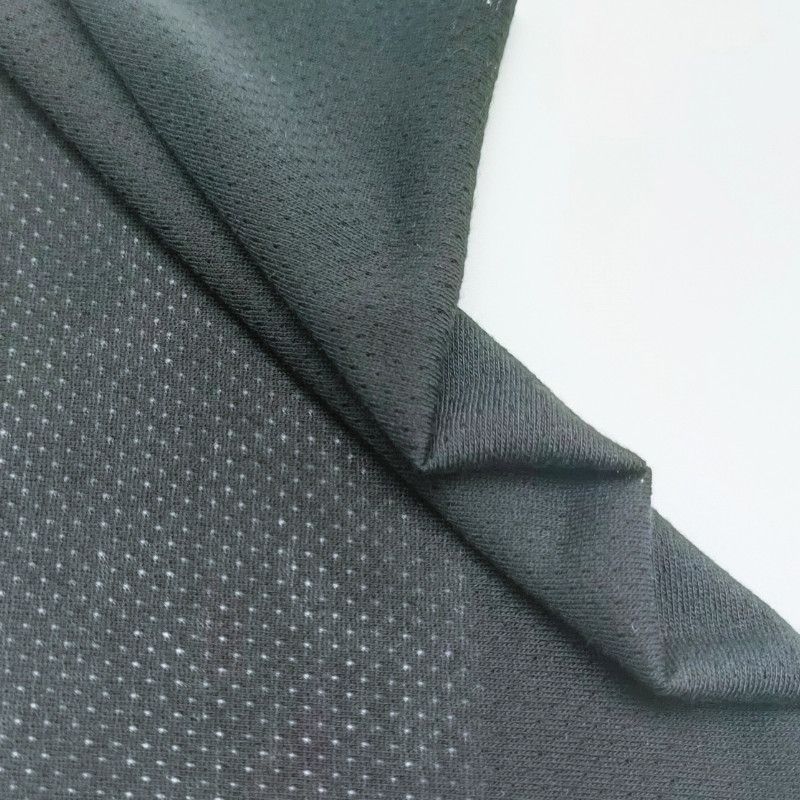
The main feature of Drirelease fabric is its ability to wick moisture away from the body and release it into the air. The polyester fibers work to transport moisture, while the lyocell fibers add softness and breathability. This makes it a popular choice for activewear, sportswear, and clothing designed for high-performance activities.
Despite its moisture-wicking properties and benefits for comfort, Drirelease fabric is not without its downsides. Let's take a closer look at the disadvantages.
One of the main drawbacks of Drirelease fabric is its durability. While Drirelease fabric offers excellent moisture-wicking properties, it tends to lose its effectiveness over time, especially with frequent washing. The fibers can break down or lose their ability to wick moisture, making the fabric less effective after several washes.
Drirelease fabric incorporates synthetic fibers like polyester, which means that it may not be as environmentally friendly as natural fabrics. Polyester is derived from petroleum-based products, which contributes to environmental concerns, particularly regarding the energy required for its production and the lack of biodegradability.
Moreover, the fabric's synthetic nature can sometimes feel less breathable compared to 100% natural fibers like cotton or wool. Although it is designed to wick moisture, it may still cause discomfort in extremely hot or humid conditions.
Like many synthetic fabrics, Drirelease can be prone to pilling. Pilling occurs when fibers break down and form small balls on the surface of the fabric. Over time, these pills can make the fabric look worn and less aesthetically pleasing. Although pilling is not exclusive to Drirelease fabric, it can be more noticeable due to the synthetic polyester content.
Drirelease fabric, while popular, is not as widely available as other synthetic fabrics. It can be more expensive than other moisture-wicking materials, which may not always justify the benefits for consumers. This cost can make it less accessible for some people, especially those looking for budget-friendly activewear options.
Additionally, Drirelease fabric is often sold by the yard, which can be limiting for customers who need larger quantities. It can also be more difficult to find in certain regions or online retailers compared to more common fabrics like cotton or polyester.
To maintain the performance of Drirelease fabric, special care is required during washing. Many Drirelease clothing items need to be washed in cold water and air-dried to preserve the fabric’s moisture-wicking properties. Using fabric softeners or bleach can damage the fibers and reduce the effectiveness of the fabric. This can be a hassle for people who prefer low-maintenance garments that can be washed and dried without special care instructions.
Although Drirelease fabric is designed to wick moisture away from the body, it may not be as breathable as natural fabrics like cotton or linen. The polyester fibers, while effective at moisture-wicking, can trap heat in warmer weather, leading to discomfort. This can be especially noticeable during high-intensity activities where sweat accumulates quickly.
In situations where airflow and breathability are paramount, Drirelease fabric may not provide the level of comfort expected, especially during long periods of wear.
While Drirelease fabric is commonly used in athletic clothing, it can also be found in everyday apparel. It’s ideal for garments that require a quick-drying fabric, such as running shirts, sports bras, and active pants. However, if you are someone with sensitive skin or allergies to synthetic fibers, Drirelease fabric might not be the most suitable option for you.
For those who enjoy DIY projects or need fabric for custom clothing, Drirelease fabric by the yard can be a good option. It allows for more flexibility when creating custom garments. However, as mentioned earlier, it can be more expensive compared to other fabrics, and its durability may degrade faster, which could limit its lifespan in long-term projects.
If you're considering alternatives to Drirelease fabric, several options are available, depending on your needs.
Merino wool is a natural, breathable fabric known for its moisture-wicking and odor-resistant properties. It is a great alternative for those looking for a more eco-friendly and sustainable option. Unlike Drirelease, merino wool is naturally antibacterial, meaning it can be worn for longer periods without developing odor.
For those seeking a more budget-friendly option, polyester blends can be a suitable alternative. While polyester does not offer the same level of moisture-wicking as Drirelease, it is still highly durable and dries quickly. Polyester blends are often more affordable and easier to maintain.
Bamboo fabric is another eco-friendly alternative. It is naturally moisture-wicking and breathable, making it a great choice for activewear. Bamboo fabric is also known for being softer and more comfortable than polyester, providing a more luxurious feel during wear.
Drirelease fabric is a versatile and effective material for moisture-wicking and quick-drying purposes. However, it comes with several disadvantages that consumers should consider before making a purchase. Durability issues, environmental concerns, pilling, and special care requirements can make Drirelease fabric less than ideal for some users.
While Drirelease is an excellent choice for moisture-wicking clothing, especially in the activewear sector, it may not be the best option for everyone. For those seeking a more breathable, eco-friendly, or durable material, exploring alternatives like merino wool or bamboo fabric might be a better option. As with any fabric, it’s essential to weigh the pros and cons to make an informed decision based on your personal needs.
Previous: None.
Next: Weed Control Mat: The Smart Solution for Efficient and Eco-Friendly Weed Management
Copyright:@2020-2021

Comments Please sign in or sign up to post.
0
0 of 500 characters used