
Hoists and slings are crucial components in lifting operations across various industries. From construction to manufacturing, hoists and slings are relied upon to safely lift heavy loads. However, to ensure safety and efficiency, it's essential that hoists and slings undergo regular inspections. This article will delve into the importance of inspecting hoists and slings, the recommended frequency of inspections, and the factors influencing their condition.
Hoists and slings are designed to bear heavy loads, and any failure in these systems can lead to severe accidents, injuries, or even fatalities. Regular inspections help identify wear and tear, corrosion, and any other signs of damage that could compromise their safety. By proactively identifying potential issues, inspections ensure that hoists and slings perform optimally, reducing the risk of accidents on the job site.
Workplace safety regulations mandate the inspection of hoists and slings to ensure they meet industry standards. Regulatory bodies like OSHA (Occupational Safety and Health Administration) in the United States, or equivalent organizations in other countries, require that lifting equipment is inspected at regular intervals. Failure to comply with these regulations could result in legal issues, fines, or even the shutdown of operations.
Regular inspections not only improve safety but also help extend the lifespan of hoists and slings. Identifying and addressing minor issues early on can prevent costly repairs or replacements. For instance, timely replacement of worn-out slings or hoist parts can prevent further deterioration and keep equipment running smoothly for longer periods.
The frequency of hoist and sling inspections largely depends on how frequently the equipment is used. If hoists and slings are used heavily in an industrial or construction setting, they may require more frequent inspections. For example, equipment that is subjected to constant lifting of heavy loads may show signs of wear faster than equipment used less often.
The environment in which hoists and slings are used can significantly impact their condition. Hoists and slings exposed to harsh conditions like extreme temperatures, moisture, or chemicals may degrade faster. In such environments, regular inspections are crucial to identify signs of corrosion, rust, or other forms of damage that could compromise the equipment.
The type of loads being lifted and their weight can influence how often hoists and slings should be inspected. Lifting extremely heavy or irregularly shaped loads can put additional stress on the equipment, causing faster wear and tear. Similarly, lifting sharp or abrasive materials may lead to faster damage to slings.
Different hoist and sling manufacturers have specific guidelines regarding inspection intervals. These guidelines should be followed closely to ensure that the equipment remains safe and operational. Many manufacturers recommend formal inspections at least once a year, but this could vary based on the frequency of use and the working conditions.
According to industry standards and safety regulations, hoists and slings should undergo formal inspections at least once a year. A formal inspection is a comprehensive assessment conducted by a trained professional. The inspector will check the integrity of the hoist and sling, looking for signs of damage, wear, or deterioration. They will also ensure that the equipment meets safety standards and regulatory requirements.
In environments where hoists and slings are used regularly or under heavy loads, it is advisable to perform more frequent inspections. For instance, in construction sites, manufacturing plants, or warehouses where hoists and slings are in constant use, inspections may need to be conducted monthly or quarterly. Frequent inspections help detect wear that may occur more rapidly in high-stress environments.
In addition to formal inspections, it is crucial to perform visual inspections before each use of the hoist or sling. Operators should inspect the equipment for obvious signs of damage, such as fraying or cuts in slings, or unusual wear in the hoist mechanism. A quick visual check can help identify immediate hazards and prevent the equipment from being used in unsafe conditions.
If a hoist or sling has been subjected to lifting unusually heavy loads or experiences an impact, it should be inspected immediately afterward. Any unusual stresses on the equipment could affect its integrity and safety. Even if the equipment seems to be functioning well after a heavy load, it’s important to check for hidden damage that could compromise its performance.
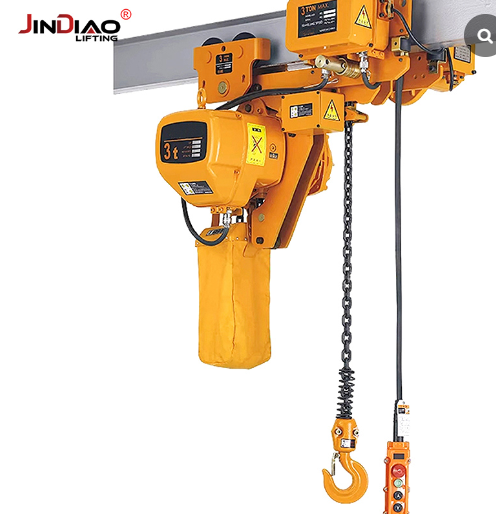
When inspecting hoists and slings, it’s essential to follow a thorough checklist to ensure all aspects of the equipment are examined. The following are some key areas that should be included in the inspection:
Check for visible cuts, fraying, or abrasions in the fabric or material.
Look for signs of corrosion, especially if the slings are made of metal.
Ensure that any hooks, rings, or shackles are intact and properly secured.
Inspect the hoist's cable, chain, or rope for wear, fraying, or deformation.
Check for proper tension in the hoist system.
Examine the hoist’s motor, gears, and bearings to ensure they are functioning smoothly.
Ensure that all load ratings and safety markings are clearly visible and legible.
Verify that the equipment is not being used beyond its rated capacity.
Check for any cracks, dents, or deformations in the hoist frame or sling hooks.
Inspect the fasteners and joints to ensure they are tight and secure.
Ensure that safety devices such as limit switches, emergency brakes, and locking mechanisms are functioning correctly.
Regular inspection of hoists and slings is essential to ensure the safety, efficiency, and longevity of lifting equipment. While formal inspections should be conducted at least once a year, additional checks may be necessary depending on the frequency of use, environmental conditions, and load types. Regular inspections, both visual and formal, help prevent accidents, extend the lifespan of equipment, and ensure compliance with safety regulations.
By following a consistent inspection schedule and adhering to manufacturer guidelines, operators can ensure that hoists and slings remain in optimal condition and are always ready for use in lifting operations. Ultimately, the safety of the workers and the success of the project depend on maintaining well-checked and reliable hoisting and slinging equipment.
Previous: The Working Characteristics Of The Crawler Mounted Drill Rig
Next: Why Is an Electric Hoist on Trolley Better Than Manual Lifting Methods?
Copyright:@2020-2021

Comments Please sign in or sign up to post.
0
0 of 500 characters used