
When it comes to outdoor activities, construction projects, or event planning, protecting the ground and ensuring a safe working environment is essential. One effective solution is the use of polyethylene temporary ground mats. These mats serve a variety of purposes, making them a versatile choice for many applications. In this article, we will explore the benefits and uses of polyethylene temporary ground mats, providing insights into why they are a smart investment.
Polyethylene temporary ground mats are durable, lightweight mats made from high-density polyethylene (HDPE). They are designed to provide a stable surface for vehicles and pedestrians in various settings, including construction sites, festivals, and outdoor events. The mats are typically interlocking or can be laid out flat, creating a solid foundation over soft or uneven ground.
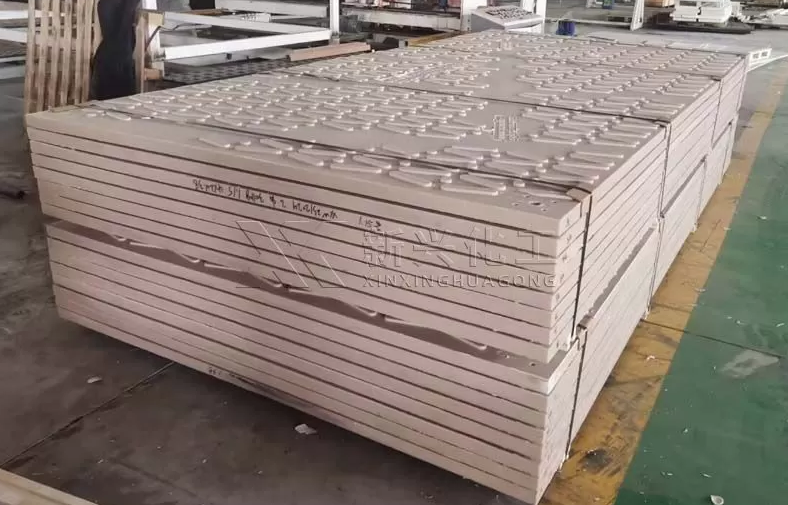
Polyethylene mats are known for their exceptional durability. They can withstand heavy loads and harsh weather conditions without cracking or deteriorating. This makes them ideal for construction sites where heavy machinery and equipment are used.
Unlike traditional ground protection solutions, polyethylene mats are lightweight and easy to handle. This portability allows for quick setup and removal, making them perfect for temporary use. Workers can easily transport them to different locations as needed.
Investing in polyethylene temporary ground mats can save money in the long run. By protecting the ground from damage caused by heavy equipment or foot traffic, these mats help avoid costly repairs to the underlying surface.
Made from recyclable materials, polyethylene ground mats are an environmentally friendly option. After their use, they can be recycled, reducing waste and contributing to sustainable practices.
In the construction industry, polyethylene mats provide a stable surface for heavy machinery, helping to prevent soil erosion and damage to the ground. They also create safe walkways for workers, reducing the risk of slips and falls.
For outdoor events, polyethylene mats serve as a protective layer for lawns and landscaped areas. They create a safe, clean space for guests to walk, preventing muddy or damaged grass.
When landscaping or performing tree care, these mats can protect the soil and vegetation from heavy equipment. They help preserve the integrity of the landscape, promoting healthier plants and minimizing damage.
In the oil and gas sector, polyethylene ground mats are often used to create stable work surfaces in remote areas. They help protect the environment while ensuring safe access for workers and equipment.
Installing polyethylene plastic ground cover mat is straightforward. They can be laid down quickly, either individually or interlocked, depending on the requirements of the site. No specialized tools are needed, which further simplifies the process.
These mats require minimal maintenance. They can be easily cleaned with a pressure washer or by hosing them down, ensuring they remain in good condition for future use.
Copyright:@2020-2021

Comments Please sign in or sign up to post.
0
0 of 500 characters used