
Explosion-proof lighting plays a crucial role in hazardous environments where flammable gases, vapors, or combustible dusts are present. Whether you're in the oil and gas industry, mining, chemical processing, or industrial manufacturing, safety regulations must be followed. For facility managers, engineers, and procurement specialists, understanding the relevant explosion-proof lighting code is essential to ensure compliance, reduce risks, and avoid penalties.
This comprehensive guide is designed to answer the key questions professionals ask when evaluating explosion-proof lighting for their facilities.
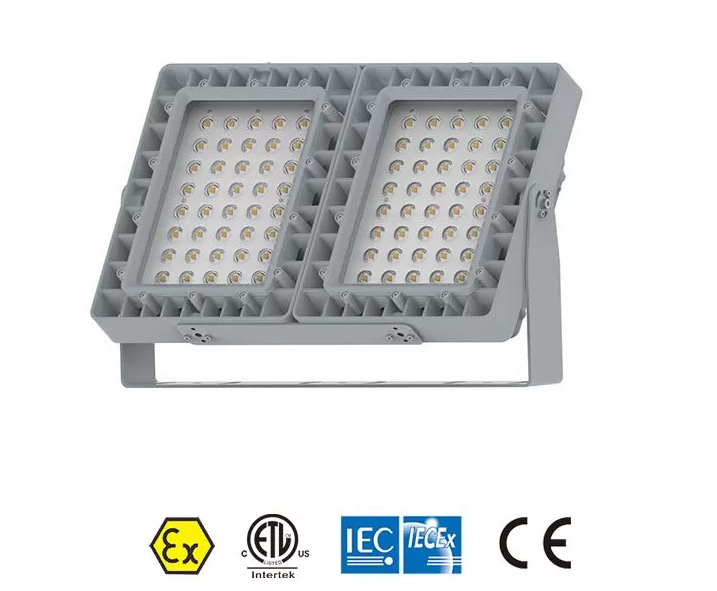
The term “explosion-proof” refers to lighting fixtures that can contain any sparks or flames inside the housing, preventing them from igniting flammable materials in the surrounding atmosphere. But it’s not just a term—it’s a regulated category under several safety standards and electrical codes.
In most regions, explosion-proof lighting must comply with the **National Electrical Code (NEC)**, specifically **NFPA 70**, which outlines detailed requirements for electrical installations in hazardous locations.
The NEC categorizes hazardous areas based on the type of explosive material present and its likelihood of occurrence. Explosion-proof lighting must meet these classifications to be deemed safe for use in those areas.
Classes:
Class I: Locations with flammable gases or vapors (e.g., oil refineries, chemical plants).
Class II: Areas with combustible dust (e.g., grain silos, flour mills).
Class III: Locations with ignitable fibers or flyings (e.g., textile mills).
Divisions:
Division 1: Hazard is present under normal conditions.
Division 2: Hazard is present only under abnormal conditions.
Groups: These further define the exact chemical or material present (e.g., Group A – acetylene, Group B – hydrogen).
Explosion-proof lighting must be certified to match the Class, Division, and Group of the environment where it will be installed.
While the NEC is widely used in the United States, other international standards also apply:
IECEx and ATEX (Europe): These standards are governed by the International Electrotechnical Commission and European Union, respectively. Lighting certified under ATEX or IECEx is typically marked with zones (e.g., Zone 1, Zone 2 for gases; Zone 21, Zone 22 for dust).
CSA (Canada): Canadian standards closely mirror the NEC and also adopt Class/Division/Group designations.
When buying explosion-proof lighting for international projects, it’s essential to confirm whether NEC, ATEX, or IECEx compliance is required based on your location or client demands.
To meet explosion-proof requirements, lighting fixtures must include the following features:
Sealed housing: Prevents any flame or explosion from escaping the fixture.
Thick tempered glass: Withstands internal pressure and prevents shattering.
Corrosion resistance: Suitable for harsh environments like offshore rigs or chemical plants.
Thermal control: Limits surface temperature to avoid ignition of surrounding gases or dust.
Products should also carry certification labels from recognized bodies like UL (Underwriters Laboratories), FM (Factory Mutual), CSA, or IECEx.
Choosing the correct explosion-proof lighting involves evaluating your site conditions, compliance needs, and lighting performance. Here’s what to consider:
Hazard classification: Match the product’s certification with your site’s Class, Division, and Group or Zone.
Lumen output: Ensure it meets the area’s lighting requirements, especially in large industrial spaces.
Mounting type: Wall, ceiling, pendant, or pole-mounted options should suit your installation layout.
Power efficiency: Consider energy-saving LED options that offer a longer lifespan and lower operating costs.
Maintenance access: Choose products with modular designs for easy servicing in restricted or hazardous zones.
Partnering with a reputable manufacturer ensures you receive certified, high-quality products that pass inspection and reduce downtime.
Previous: None.
Next: None.
Copyright:@2020-2021

Comments Please sign in or sign up to post.
0
0 of 500 characters used