
A check valve in plumbing is a mechanical device that prevents reverse flow in a pipe system. It automatically allows fluid to flow in one direction and stops it from flowing back in the opposite direction. This is essential in many plumbing and industrial applications, ensuring that systems maintain their integrity and avoid contamination or damage. Check valves are typically used in pumps, water supply systems, and any setup where the prevention of backflow is necessary.
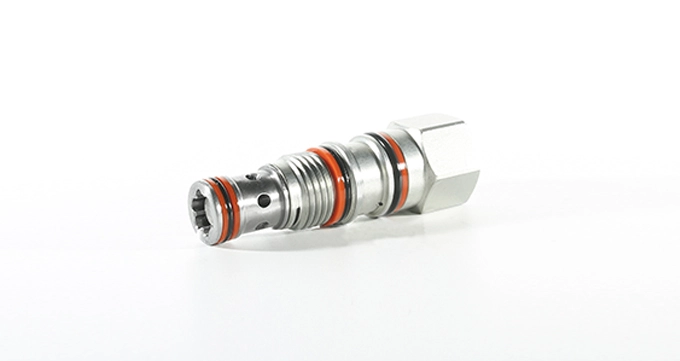
The primary function of a check valve is to ensure that fluid flows in one direction only. It typically consists of a body, a spring-loaded disc, and a seat. When fluid flows in the correct direction, it pushes the disc open. However, when fluid attempts to flow backward, the pressure forces the disc to close, blocking reverse flow. This simple yet effective mechanism is critical for maintaining pressure and safety in many systems.
There are different types of check valves, including:
Swing Check Valves: These valves use a hinged disc that swings open to allow fluid to pass and swings closed to prevent backflow.
Spring Check Valves: These valves use a spring to push a disc or ball into the closed position when there is no forward pressure.
Ball Check Valves: These valves use a ball that moves to close off the pipe when reverse flow occurs.
Understanding these types can help you choose the right check valve for your specific needs.
To make a check valve, you will need a few basic materials. Depending on the application, materials will vary, but for general use, the following are essential:
The valve body should be made from a durable material that can withstand the pressure and temperature of the fluid being used. Common materials include:
Brass: Common in plumbing and household systems.
Stainless Steel: Used for higher pressure and corrosive environments.
Plastic: A lightweight option for low-pressure systems.
A check valve consists of several components:
Valve Seat: Where the sealing takes place.
Spring: To push the disc into the closed position when no flow is present.
Disc or Ball: The moving part that opens and closes depending on the flow direction.
Cutting tools for the valve body and disc.
Drilling tools for creating precise holes for the valve seat and disc.
Welding or Sealing equipment for creating a leak-proof valve body.
With these materials and tools, you can assemble a basic check valve.
Creating a check valve requires careful assembly of each component. Below is a step-by-step guide to help you build your own check valve.
Before starting, design your check valve. Consider the flow rate, pressure, and the fluid type that the valve will control. This design should specify the materials, size, and mechanism of the valve (such as a ball or swing mechanism).
Using your selected material (brass, stainless steel, or plastic), cut and shape the valve body according to your design. Ensure that the inner diameter matches the pipe size to prevent any flow issues.
The valve seat is where the disc will rest when the valve is closed. Drill the hole in the body for the seat and install it securely. The seat should be smooth to allow a tight seal when the disc is in the closed position.
Depending on the design of your check valve, create the disc or ball that will move to block reverse flow. The disc should be made from a durable, lightweight material and shaped to fit the valve body precisely.
If you're using a spring-loaded check valve, install the spring behind the disc. The spring should be strong enough to close the valve when there is no forward pressure. Test the valve to ensure that the spring provides enough resistance to prevent reverse flow.
Once all components are in place, assemble the valve by attaching the disc, spring, and seat to the valve body. Use a high-quality sealant or welding techniques to ensure a leak-proof construction. Test the valve by applying pressure in the forward direction and ensuring that it closes correctly when reverse pressure is applied.
Once you’ve built your check valve, the next step is installation. Here’s a simple guide to installing the valve in a piping system:
Install the check valve at a point where you want to prevent backflow. Common locations include between a pump and a water supply line or at the end of a pipeline.
Ensure that the valve is installed with the correct orientation. Most check valves have an arrow on the body indicating the correct direction of flow. Installing the valve in the wrong direction can cause it to malfunction.
Use appropriate fittings to secure the check valve to the pipe. Tighten the connections to prevent leaks, ensuring that the valve is held firmly in place.
After installation, test the valve by running fluid through the system. Check that the valve opens when fluid flows in the correct direction and closes tightly when reverse flow is attempted.
Check valves are essential for maintaining the efficiency and safety of plumbing systems. Here’s why:
One of the primary functions of a check valve is to prevent backflow, which can lead to contamination of the water supply. In systems where water or other fluids are pumped, a check valve ensures that water does not flow back into the pump or piping system.
By stopping reverse flow, check valves also protect pumps, valves, and other equipment from damage caused by backpressure. This helps extend the life of your plumbing system and reduces the need for costly repairs.
A check valve ensures that fluids flow in only one direction, maintaining the pressure and efficiency of the system. This can help avoid energy losses and increase the overall performance of pumps and plumbing installations.
Whether you choose to build your own check valve or purchase one, ensuring proper installation and maintenance is key to keeping your system running efficiently.
Copyright:@2020-2021

Comments Please sign in or sign up to post.
0
0 of 500 characters used