
Continuous rim blades are designed with a smooth, unbroken edge, which allows for cleaner cuts. These blades are predominantly used for cutting hard tiles and materials.
Segmented sintered blades feature segmented edges, separating the metal into distinct parts. This design is effective for cutting concrete and masonry and provides better cooling during extended use.
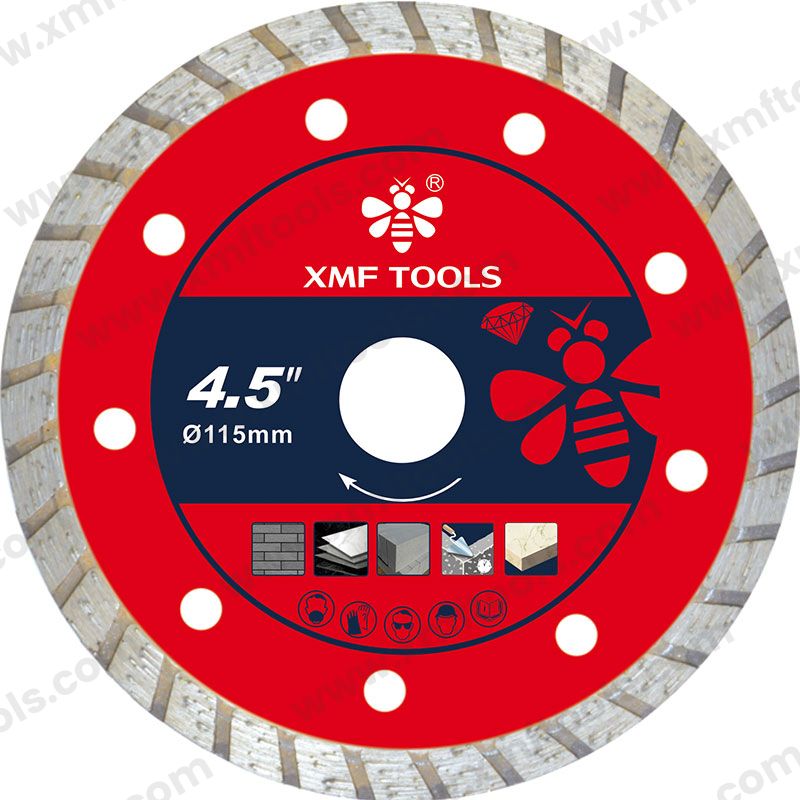
Continuous rim blades deliver precision cutting, essential for high-quality finishes in tile work, while segmented blades may produce slight chipping due to their notched edges.
Segmented blades generally cut faster than continuous rim blades, especially when dealing with tougher materials like concrete.
Hard Tiles: Ideal for ceramic and porcelain.
Granite: Provides a smooth finish without chipping.
Concrete: Heavier and more durable for tough materials.
Masonry: Great for bricks and blocks.
Understand the material you need to cut. For tile, choose a continuous rim blade. For masonry, opt for a segmented blade.
Ensure your cutting tool is compatible with the specific blade type. Check manufacturer guidelines for your tools.
If you're using the blade for extended periods, segmented blades will provide superior performance due to their design.
Saw Type: Wet saws for continuous blades and angle grinders for segmented blades.
Protective Gear: Safety glasses, gloves, and a dust mask.
Measuring Tape: Accurate measurements for cuts.
Marking Tool: Use a pencil or chalk for outlining cuts.
Using a blade not suited for the material can lead to poor cuts and damage.
Using blades without appropriate cooling can wear them down rapidly; ensure you allow adequate rest between uses.
Understanding the differences between continuous rim and segmented sintered blades can significantly affect your cutting efficiency and quality. Emphasize choosing the right type for your specific application to avoid costly mistakes. For general-purpose cutting, consider the versatility of our company's Sintered General Purpose Blade from XMF.
Previous: None.
Next: Drainer Grooves: Function, Design, and Benefits Explained
Copyright:@2020-2021

Comments Please sign in or sign up to post.
0
0 of 500 characters used