
Water pressure refers to the force exerted by water as it moves through pipes. This force allows water to flow through faucets, showers, and appliances. Water pressure is measured in pounds per square inch (psi). The typical water pressure in most homes ranges from 40 to 60 psi, which is optimal for household use. However, when this pressure exceeds the normal range, it can lead to several plumbing issues.
Proper water pressure is vital for the smooth operation of your plumbing system. Too little pressure can make it difficult to use appliances like washing machines, dishwashers, and showers effectively. On the other hand, high pressure can lead to leaks, bursts, and damage to your pipes and fixtures. Finding the right balance is key to a well-functioning plumbing system.
There are several signs that may indicate your home’s water pressure is too high. Recognizing these signs early can help you avoid costly repairs and maintain the efficiency of your plumbing system.
One of the most obvious signs of high water pressure is leaking or burst pipes. Excessive pressure can cause wear on the walls of your pipes, leading to leaks or even pipe bursts. If you notice water stains on your walls or ceilings, or hear the sound of water dripping from hidden pipes, it may be a sign of high pressure.
If you hear banging, knocking, or whistling noises coming from your pipes when you turn on the water, your water pressure might be too high. This phenomenon, often referred to as “water hammer,” occurs when the flow of water is suddenly stopped or altered, causing pressure to build up within the pipes. Over time, this can damage the pipes and lead to leaks or even pipe failure.
Another sign of high water pressure is a toilet that continues to run even after it’s been flushed. Excessive pressure can cause the fill valve inside the toilet tank to malfunction, resulting in water running constantly. This can waste a significant amount of water and increase your utility bills.
If your faucets are leaking more often than usual, it could be due to high water pressure. The constant force of water against the faucet components can cause seals and washers to wear out faster, leading to leaks. Over time, this can lead to the need for frequent faucet repairs or replacements.
High water pressure can also affect the performance of your appliances. Dishwashers, washing machines, and water heaters may not operate efficiently if the pressure is too high. For instance, dishwashers may not clean dishes properly due to water flowing too forcefully, and washing machines may suffer from stress on internal components, leading to frequent repairs.
If you suspect your water pressure is too high, measuring it is an essential first step. Measuring water pressure is simple and requires a pressure gauge, a tool that can be purchased at most hardware stores. Here’s how to do it:
The best place to measure water pressure is an outdoor faucet, typically located at the front or back of the house. This faucet is directly connected to the main water line, making it an ideal spot for an accurate measurement.
Screw the pressure gauge onto the outdoor faucet. Make sure it is tightly connected to avoid leaks.
Turn on the faucet fully and allow the water to flow freely. The pressure gauge will display the water pressure in pounds per square inch (psi). A normal range for residential water pressure is between 40 to 60 psi. If the reading exceeds 80 psi, your water pressure may be too high.
If your reading is above 60 psi, it is advisable to take action to reduce the water pressure to avoid potential plumbing issues.
In many homes, a pressure regulator is installed to control the water pressure and ensure it remains within a safe range. The regulator is typically located near the main water line, where it enters the house. It is usually found in basements, crawl spaces, or utility rooms. If you are unsure of where the pressure regulator is located, consult your home’s plumbing diagram or contact a professional plumber for assistance.
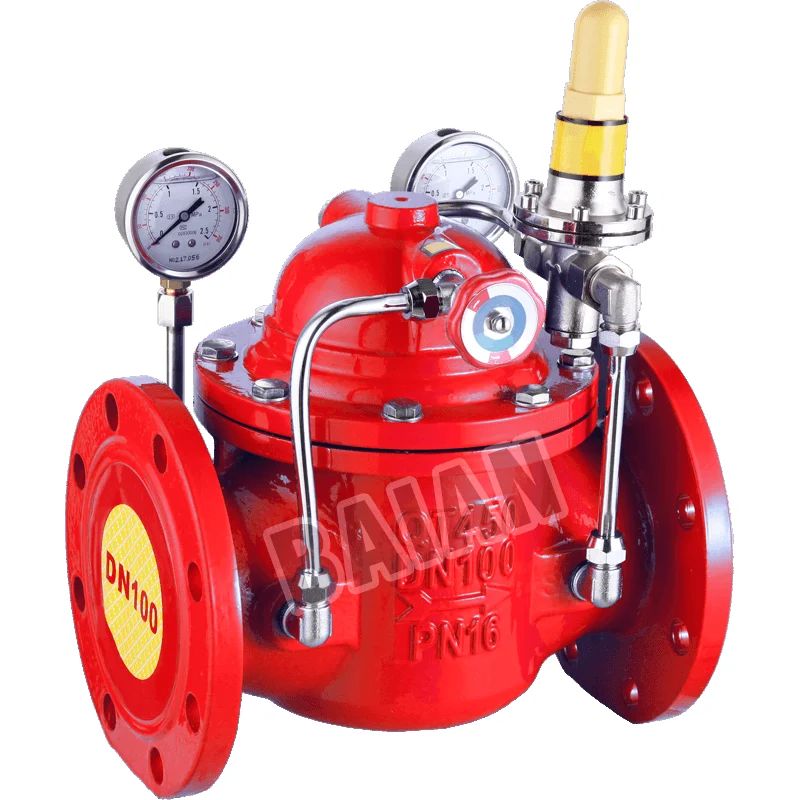
If you discover that your water pressure is too high, there are several methods to fix the issue. The most common solutions include adjusting the pressure regulator or installing a new one.
If your home already has a pressure regulator, it may need an adjustment. Most regulators have a screw or bolt that can be turned to increase or decrease the pressure. By turning the screw clockwise, you can reduce the pressure to a safe level. If you are unsure how to adjust the regulator, it’s best to consult a plumber.
If your home does not have a pressure regulator, or if the existing one is malfunctioning, you may need to install a new one. A professional plumber can help you choose the right regulator for your home and install it to ensure the water pressure remains stable.
Sometimes, high water pressure can be caused by faulty fixtures such as old faucets, showerheads, or valves. Replacing these components with new, pressure-rated fixtures can help alleviate the problem.
Ignoring high water pressure can lead to serious consequences for your home’s plumbing system. Over time, excessive pressure can cause:
Pipe damage: High pressure wears down pipes, causing leaks and bursts.
Increased utility bills: High pressure results in excessive water usage, which can increase your water bills.
Appliance damage: High pressure can damage appliances, leading to costly repairs or replacements.
Maintaining the right water pressure is essential to ensure the longevity of your plumbing system and appliances. Recognizing the signs of high water pressure, such as leaks, noisy pipes, or poor appliance performance, is the first step in addressing the problem. By measuring the pressure and taking the necessary steps to adjust or replace your pressure regulator, you can ensure that your water pressure remains within the optimal range. If you are unsure how to fix the problem, consulting a professional plumber can save you time, money, and hassle in the long run.
Previous: None.
Next: Laser Marking Machine: High-Precision Marking Technology for Industrial Manufacturing
Copyright:@2020-2021

Comments Please sign in or sign up to post.
0
0 of 500 characters used