
When choosing stainless steel pipes for various applications, many individuals and businesses grapple with the decision between 304 and 316L types. Each comes with distinct attributes and resistance levels against corrosion, making them suitable for different environments. Customers often report confusion when evaluating these options, leading to less than optimal decision-making. In this article, we will provide a detailed comparison between 304 and 316L stainless steel pipes, examining their corrosion resistance, application scenarios, pricing, and user experiences. Whether you're in the market for Stainless Steel Products or seeking specific technical information, this guide aims to clarify your choices.
| Property | 304 Stainless Steel | 316L Stainless Steel |
|---|---|---|
| Corrosion Resistance | Resistant to oxidation and corrosion, ideal for mild environments | Superior corrosion resistance, especially in chloride-rich environments |
| Nickel Content | 8% | 10%+ |
| Molybdenum Content | 0% | 2%+ |
| Tensile Strength (MPa) | 520 MPa | 480 MPa |
| Price (per ton) | $2,000 | $2,500 |
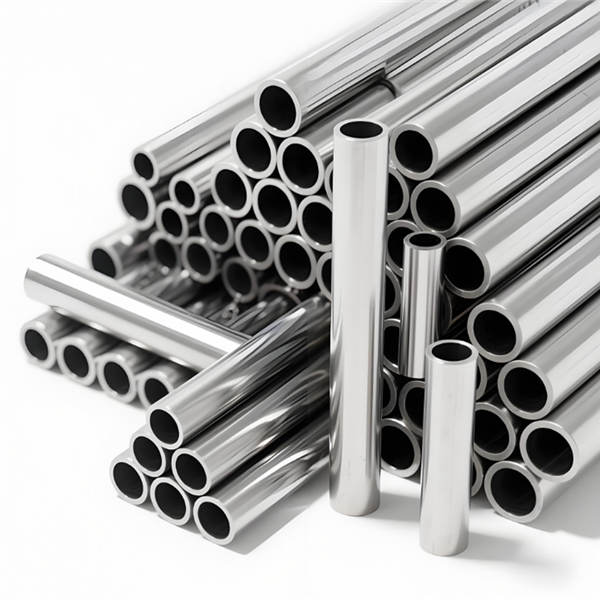
In practical applications, selecting between 304 and 316L stainless steel pipes hinges on the environment where they will be utilized. For instance, pipes in outdoor construction exposed to industrial pollution and coastal regions should ideally be made of 316L due to its superior resistance to pitting and crevice corrosion. Conversely, 304 stainless steel pipes are sufficient for indoor applications, such as plumbing in low-humidity areas.
A study from a leading Stainless Steel Pipes Factory in China revealed that 316L pipes exhibit a 78% reduction in corrosion damage over ten years when compared to 304 pipes in marine environments. This data underscores the importance of proper material selection based on environmental factors.
Real customer experiences highlight varying satisfaction levels based on their specific needs. For instance, John, a facility manager at a coastal processing plant, reported a 90% reduction in maintenance costs after switching from 304 to 316L pipes. He noted that the higher initial investment into 316L was offset by longer service life and reduced downtimes.
On the other hand, Sarah, a DIY enthusiast, shared her experience with 304 stainless steel pipes for home plumbing. She found that even in her non-corrosive environment, 304 pipes performed well, maintaining their integrity after five years without significant signs of rust.
When it comes to selecting between 304 and 316L stainless steel pipes, here are some considerations:
If your application is in a low-corrosion environment (e.g., indoor plumbing), 304 stainless steel pipes can be the economical choice.
For applications in coastal regions or areas with high chloride exposure, investing in 316L stainless steel pipes is recommended.
The price difference should be justified by the specific environmental conditions and expected lifespan of the installation.
In summary, 304 stainless steel pipes are suitable for indoor applications with minimal corrosion risk, while 316L pipes are ideal for harsh environments involving saltwater or high humidity. Projects that resist corrosion should prioritize 316L, making it a worthwhile investment despite the price difference.
If you're ready to make an informed decision, consider viewing product details for both 304 and 316L stainless steel pipes. You can also request a free trial or book a demo to see the benefits firsthand.
Previous: None.
Copyright:@2020-2021

Comments Please sign in or sign up to post.
0
0 of 500 characters used