
Steel wall formwork is a revolutionary construction technology that has transformed the way concrete structures are built. It not only improves the quality and efficiency of construction projects but also addresses critical pain points such as time delays and cost overruns. In the competitive realm of modern construction, the emergence of steel wall formwork represents a significant leap forward, ensuring that projects are completed on time and within budget.
This comprehensive guide will cover common problems associated with steel wall formwork, offering practical solutions and insights. If you’re looking to enhance your understanding of steel wall formwork troubleshooting, this article is perfect for you.
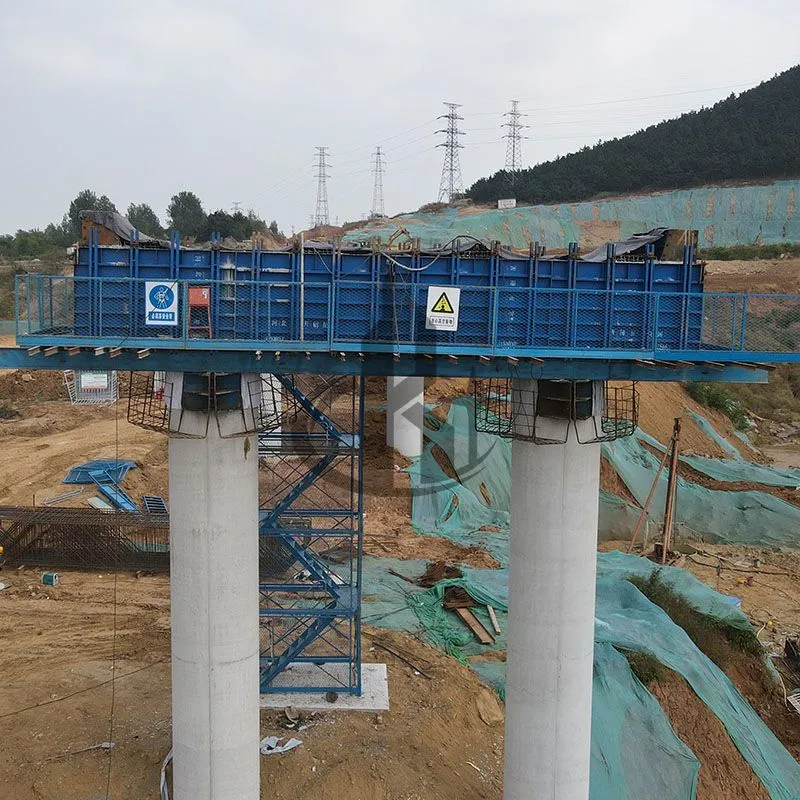
Steel wall formwork refers to the system used for casting concrete walls in construction, where steel panels are employed to shape the wall. The durability of steel makes it an ideal choice for formwork, as it can withstand the high pressures exerted by wet concrete. According to industry definitions, steel wall formwork systems are often classified as either reusable or permanent and come with various specifications designed to accommodate different structural requirements.
Industry Terms to Know:
Formwork: The temporary or permanent molds used to hold concrete until it hardens.
Load-bearing: A structure's ability to support weight, which is essential when considering formwork materials.
Concrete pressure: The force exerted by freshly poured concrete, which the formwork must resist.
Steel wall formwork is indispensable in several construction fields:
Residential Construction: Used for foundations and structural walls to ensure uniformity and strength.
Commercial Buildings: Applied in high-rise structures where durability and structural integrity are paramount.
Infrastructure Projects: Essential in projects like bridges and tunnels, where formwork must support exceptional loads.
Industrial Facilities: Employed in building warehouses and manufacturing plants, providing quick assembly and disassembly for future modifications.
Durability and Strength: Steel exhibits a high tensile strength, which allows it to withstand large amounts of concrete pressure without deformation. This minimizes the risk of form failure and reduces the chances of costly downtimes.
Reusability: Steel formwork can be used multiple times, with studies showing a 70% cost reduction over traditional timber formwork materials, thereby enhancing overall project economics.
Quick Setup and Dismantling: Steel wall formwork can be assembled and disassembled rapidly, often in as little as 12 hours, significantly reducing labor costs and project timelines.
Precision: The manufacturing process of steel panels ensures that they fit together perfectly, assuring consistent wall dimensions and a high-quality end result.
Environmental Impact: Steel formwork can be recycled at the end of its life cycle, promoting sustainability in construction activities.
Despite its benefits, several common issues may arise during the use of steel wall formwork:
Solution: Regularly check the alignment of panels using laser leveling tools before pouring concrete to ensure uniform wall thickness.
Solution: Use high-quality seals and gaskets at the joints of the panels to prevent concrete from seeping out, which can lead to wastage and structural weaknesses.
Solution: Reinforce the formwork with proper bracing and support to withstand the weight and pressure of the poured concrete, reducing the risk of failure.
Solution: Opt for well-maintained formwork treated with release agents to ensure smooth concrete finishes and easier removal of the formwork.
For those seeking to optimize their steel wall formwork processes, we recommend several actions:
Consult the User Guide: Familiarize yourself with the specifications and recommendations of your specific steel wall formwork system, such as those offered by Kaichaungxing, to enhance your understanding and application.
Training Programs: Engage in training sessions that focus on troubleshooting and best practices for steel wall formwork.
Field Testing: Conduct site tests using lightweight mock-ups to identify potential troubleshooting areas before full-scale implementation.
Previous: How to Choose the Right Rigid Insulation Manufacturer?
Next: WPC (Wood-Plastic Composite): A Green Choice for Building the Future
Copyright:@2020-2021

Comments Please sign in or sign up to post.
0
0 of 500 characters used