
Cleanrooms are controlled environments typically used in industries like pharmaceuticals, biotechnology, and electronics. Designing cleanroom doors requires an understanding of specific requirements, including airflow, pressure control, and contamination prevention. Properly designed cleanroom doors ensure adherence to strict cleanliness standards while facilitating efficient workflow. According to the Federal Standard 209E, cleanroom classification is determined based on the maximum allowable particles in the air, making door design critical.
Cleanrooms are classified according to ISO standards (e.g., ISO 14644-1). The design of doors for these environments must meet certain specifications to maintain integrity.
Airflow management is crucial in cleanrooms to prevent contamination. The cleanroom’s design dictates the direction and volume of airflow required. Effective airflow helps in maintaining uniform temperature and optimal pressure levels, essential for operational efficiency.
Techniques that can be integrated into door design include proper sealing, air curtains, and adjustable vents to optimize airflow direction.
Pressure differences are vital in cleanrooms to prevent external contamination. The door design must ensure that air does not escape or enter unexpectedly. Key design features include pressure differentials, airflow resistance, and airtight seals.
Continuous monitoring systems and adjustable door mechanisms can help maintain optimal pressure levels effectively.
The choice of materials influences the performance, safety, and overall lifespan of cleanroom doors. Common materials include stainless steel, aluminum, and specific plastics that meet industry cleanliness standards.
| Material | Benefits | Drawbacks |
|---|---|---|
| Stainless Steel | Durable, easy to clean | Can be expensive |
| Aluminum | Lightweight, corrosion-resistant | Less durable than steel |
| Plastic | Cost-effective, resistant to chemicals | May not withstand heavy use |
When designing cleanroom doors, several considerations are critical for optimal performance:
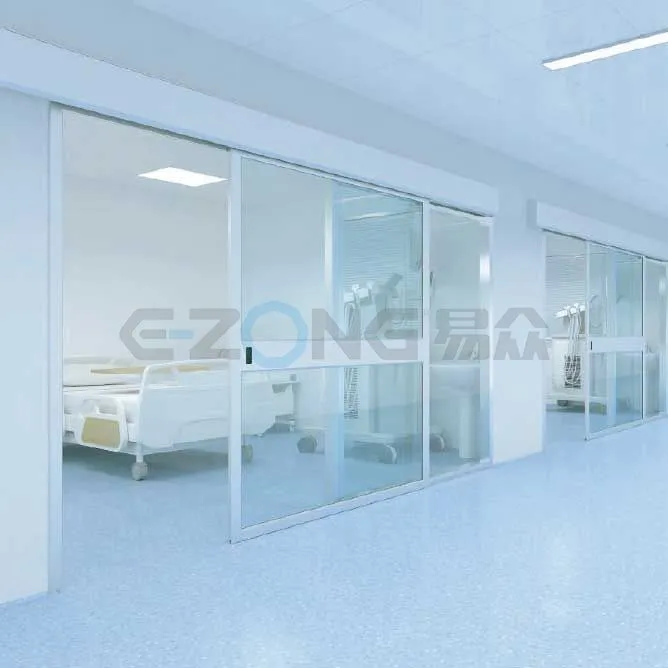
- Assess cleanroom class and standards
- Choose appropriate materials
- Implement airflow and pressure control measures
- Incorporate user-friendly features
- Test and adapt the design
Designing cleanroom doors often presents challenges such as maintaining seal integrity and ensuring proper transitions between spaces. Solutions include:
Regular pressure audits and using sophisticated sealing technologies can significantly reduce the risks. Educating staff on proper door use also plays a key role.
Designing cleanroom doors for optimal airflow and pressure control is essential to maintain compliance with cleanliness standards. Employing the best practices discussed can help ensure operational efficiency.
- Regular maintenance checks
- Continuous training for staff
- Strategic placement of doors in design
- Use of advanced materials and technology
Copyright:@2020-2021

Comments Please sign in or sign up to post.
0
0 of 500 characters used