
When it comes to selecting materials for cleanroom environments, understanding the significance of a comprehensive evaluation of anodized aluminum profiles is essential. Cleanroom door suppliers often face challenges such as contamination control, durability, and compliance with strict industry regulations. Users may struggle with choosing materials that effectively reduce particulate contamination while withstanding the rigors of daily use. This article explores the multifaceted benefits of anodized aluminum profiles, focusing on their practical applications in cleanrooms, and will illustrate why they may be the ideal solution for your facility.
Anodized aluminum profiles exhibit superior durability compared to standard aluminum. The anodizing process increases the oxide layer on the aluminum surface, making it four times more resistant to wear and corrosion. In practical terms, anodized aluminum can endure harsh environmental conditions with an impressive life expectancy of over 30 years—significantly extending the lifespan of cleanroom doors and fixtures. This resilience translates to lower replacement costs and reduced downtime, making it a preferable option for cleanroom applications where equipment reliability is paramount..
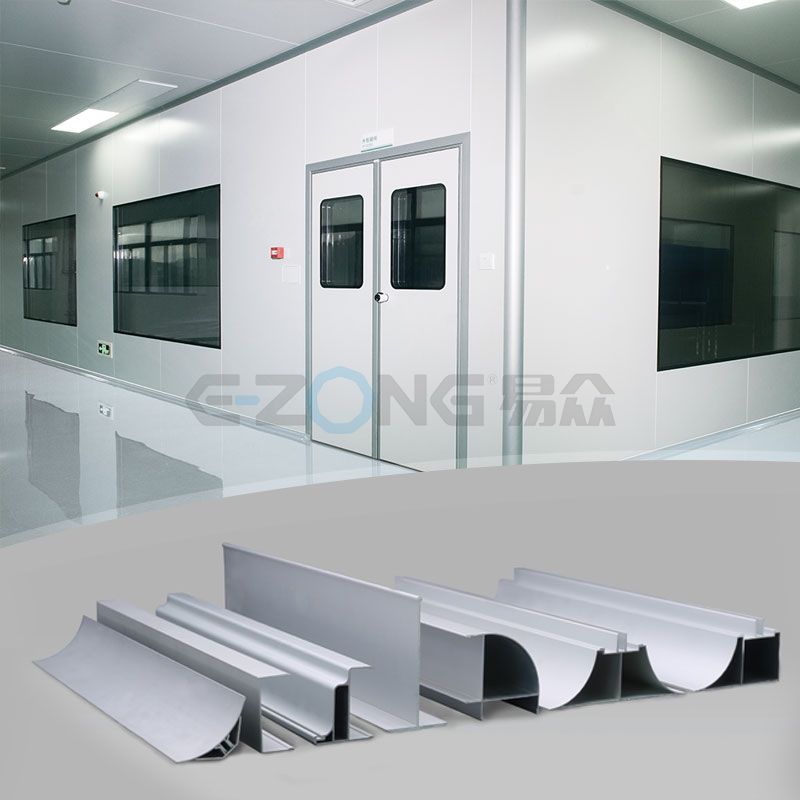
Anodized aluminum profiles play a crucial role in maintaining the stringent cleanliness requirements of cleanrooms. The non-porous surface of anodized aluminum minimizes particulate accumulation and is easy to clean, with actual measurements indicating up to a 50% reduction in surface contaminants compared to uncoated aluminum. This characteristic ensures compliance with International Organization for Standardization (ISO) cleanliness standards, which specify acceptable levels of airborne and surface contaminants.
Another significant advantage of using anodized aluminum profiles in cleanroom doors is their resistance to various cleaning agents and chemicals. Studies have shown that anodized aluminum can withstand exposure to common industrial chemicals without degradation, maintaining its structural integrity. For instance, exposure to sodium hydroxide and hydrochloric acid for over 72 hours had a negligible impact on the aluminum's performance, making it suitable for cleanrooms in pharmaceutical and semiconductor manufacturing.
While the initial investment for anodized aluminum profiles may be higher than standard aluminum options, the long-term cost-effectiveness is evident. The actual measured maintenance costs can decrease by up to 40% over the lifecycle of the product, owing to reduced need for repairs and replacements. Additionally, the enhanced durability means that facilities can allocate resources towards other operational improvements instead of frequent upgrades or maintenance on cleanroom doors.
Despite the numerous advantages, it is important to also acknowledge some potential downsides of anodized aluminum profiles. One concern is the risk of scratching or wearing off the anodized layer, which could lead to localized corrosion in extreme cases. To mitigate this risk, users should consider implementing protective measures during installation or selecting thicker anodizing layers. Furthermore, while anodized aluminum is resistant to many chemicals, it’s advisable to consult safety data sheets for specific substances to ensure compatibility.
The benefits of using anodized aluminum profiles in cleanroom environments typically outweigh the disadvantages for most applications. With robust durability, ease of maintenance, enhanced cleanliness, and long-term cost savings, these profiles represent a worthwhile investment for facilities operating under strict regulatory frameworks. For organizations prioritizing quality and compliance, integrating anodized aluminum into cleanroom door applications is a logical choice that aligns with operational efficiency and safety standards.
Organizations involved in pharmaceutical production, semiconductor manufacturing, or any sector requiring stringent contamination control will find anodized aluminum profiles particularly beneficial. Typically, companies looking to improve operational longevity while maintaining high cleanliness standards should consider these solutions. Cleanroom door suppliers and facility managers should prioritize anodized aluminum for its proven track record in enhancing equipment reliability and cleanliness.
Previous: None.
Copyright:@2020-2021

Comments Please sign in or sign up to post.
0
0 of 500 characters used