
A sharp grinder blade produces clean, uniform cuts that preserve meat texture. It ensures that ground meat is fine or coarse depending on your needs, whether for burgers, sausages, or meatloaf. A dull blade can tear meat fibers rather than cutting them cleanly, resulting in uneven grinding and an inconsistent product. Dullness also forces the motor to work harder in electric grinders, which may lead to overheating or damage over time. In manual grinders, a dull blade increases the effort required to turn the crank and may cause strain on your wrists or hands. Keeping the blade sharp ensures smooth operation, safety, and superior food quality.
Knowing when to sharpen your grinder blade is crucial. Common signs include:
Meat is torn instead of cut
Grinding takes longer than usual
The motor struggles in electric models
Manual cranks feel more resistant
The final texture is inconsistent
Ignoring these signs can compromise both the meat’s texture and the grinder’s longevity. Regular inspection after every few uses helps you determine the right sharpening interval. Even high-quality meat grinders nearby can develop dull edges quickly if used frequently with dense or frozen meat.
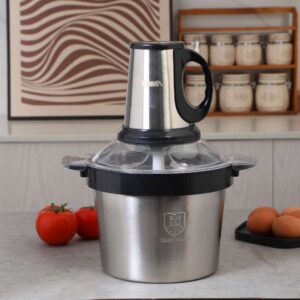
Blade sharpening frequency depends on usage:
Frequent use (weekly grinding): every 2–3 months
Moderate use (occasional grinding): every 6 months
Heavy use or professional applications: monthly
Following this schedule prevents complete dulling and reduces the risk of uneven grinding. Proper care, including cleaning and drying after use, further prolongs the blade’s sharpness. Users who grind a mix of meat types or freeze meat in blocks may need more frequent attention to maintain consistent results.
Sharpening techniques vary in complexity and efficiency:
Manual sharpening stones: traditional, precise, and affordable; requires skill to maintain correct angle
Electric sharpening tools: fast, consistent, ideal for frequent use
Professional sharpening services: perfect for high-end or large-capacity grinders
Home cooks can achieve excellent results using sharpening stones or services every few months. Correct technique ensures the blade maintains its designed cutting angle, crucial for uniform grinding and extended longevity.
Electric and manual grinders differ in their blade requirements. Electric models benefit more from sharp blades due to high-speed operation. Dull blades in electric grinders increase heat and strain the motor. Manual grinders, on the other hand, require more physical effort when the blade is dull and produce inconsistent results. Understanding the difference helps you adapt your sharpening schedule and maintain meat grinders nearby effectively. For heavy-duty use, professional-grade electric models may require more frequent sharpening but provide faster, more consistent results.
Blade composition affects durability and maintenance needs. Common materials include:
Stainless steel: resists rust, durable, easy to sharpen
Carbon steel: holds edge longer but requires careful maintenance to avoid corrosion
Hardened steel alloys: premium option for high-volume or professional use
Stainless steel is ideal for home use, balancing ease of sharpening with long-term durability. Premium alloys are preferred in commercial settings where high output and reliability are essential.
Proper cleaning extends blade life:
Disassemble the grinder after each use
Wash all components in warm, soapy water
Dry thoroughly to prevent rust
Store in a dry area to avoid moisture damage
A clean blade cuts more efficiently and maintains hygiene. Neglecting cleaning accelerates dulling and can introduce bacteria, reducing meat quality and safety.
Different meat types affect blade sharpness differently:
Lean meats: cause minimal wear
Fatty meats: leave residue that dulls the edge faster
Frozen meats: increase stress on the blade
Rotating meat types or slightly thawing frozen cuts before grinding can reduce wear. Occasional grinding of vegetables or grains can help maintain versatility and slow dulling.
To prolong blade life:
Slightly freeze meat before grinding
Avoid bones unless the grinder is designed for them
Use correct grinding plates for the desired texture
Lightly lubricate moving parts according to manufacturer instructions
These measures reduce unnecessary wear and tear while keeping your grinder efficient and reliable.
Professional kitchens require frequent sharpening due to high-volume output. Blades may need attention weekly or even daily, depending on workload. Consistency in texture and hygiene is critical in commercial settings. At home, monthly or bi-monthly sharpening is typically sufficient. Paying attention to signs of dullness ensures smooth, safe, and flavorful results for all meat preparations.
Sharpening a grinder blade requires caution:
Unplug electric grinders before sharpening
Wear protective gloves to prevent cuts
Maintain the correct angle and pressure
Avoid over-sharpening, which can weaken the blade
Safe practices protect both the user and the appliance, ensuring optimal performance over time.
Regular sharpening and maintenance provide multiple benefits:
Faster and smoother grinding
Consistent meat texture for recipes
Reduced motor strain
Less wasted meat due to crushing
Increased lifespan of your appliance
Home cooks and professionals alike benefit from consistent results and fewer breakdowns by following a scheduled maintenance routine.
Selecting a quality grinder impacts both blade maintenance and overall efficiency:
Look for durable, high-grade materials
Check motor power and crank design for effort-free operation
Evaluate blade design for easy sharpening
Consider accessories for grinding versatility
Investing in a well-built grinder simplifies maintenance and ensures consistent performance, whether you purchase meat grinders nearby or online.
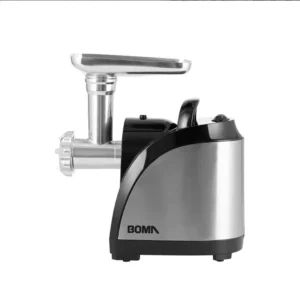
Knowing how often should I sharpen my grinder blade is essential for anyone using a meat grinder at home or in small-scale commercial kitchens. Regular blade maintenance ensures clean cuts, uniform texture, and reduced strain on the appliance. Observing signs of dullness, following proper sharpening techniques, and performing routine cleaning will keep your grinder in top condition. Understanding the relationship between blade sharpness, meat type, and grinder design helps maximize both efficiency and food quality. With proper care, you can enjoy fresh, flavorful ground meat every time and extend the life of your meat grinder.
Previous: None.
Next: Anode Carbon Block: Essential for Efficient Aluminum Smelting
Copyright:@2020-2021

Comments Please sign in or sign up to post.
0
0 of 500 characters used